Poland's Kotecki Sees Stable Interest Rates Amid Geopolitical Risks
IN SHORT
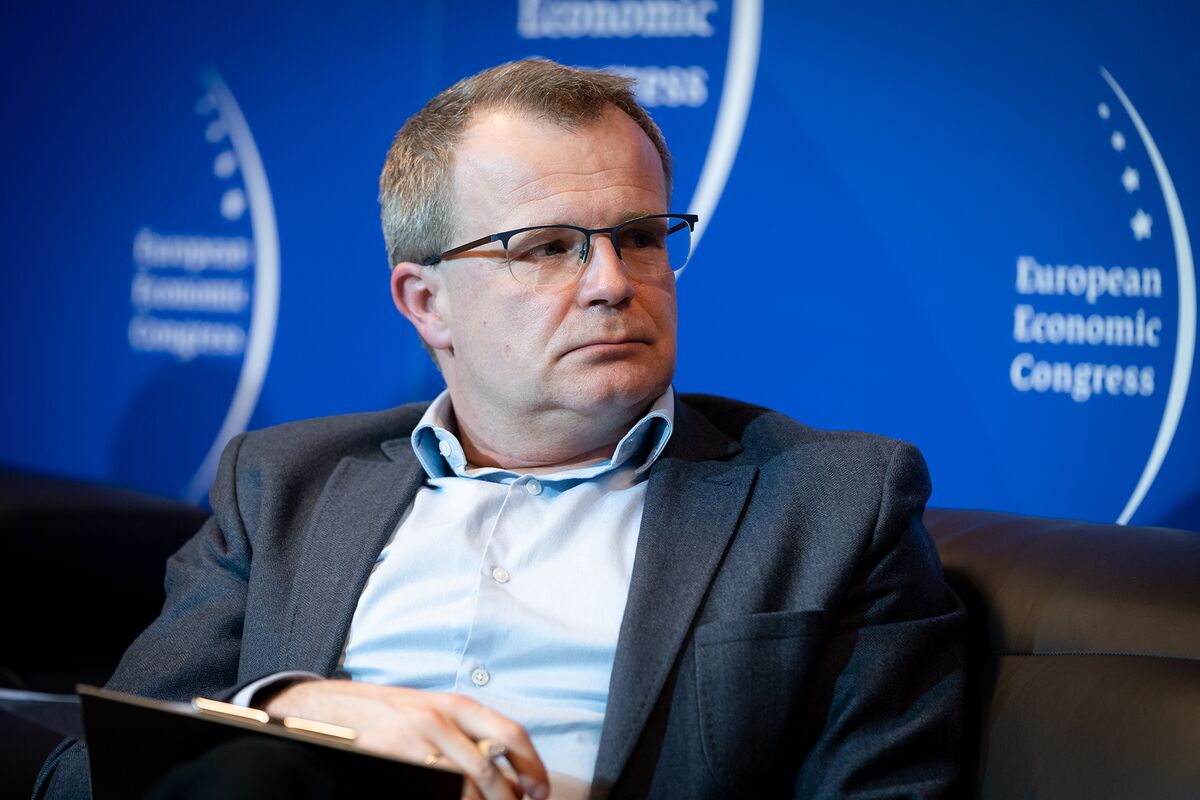
Ludwik Kotecki, a member of Poland's Monetary Policy Council, believes interest rates will remain stable for an extended period due to persistent geopolitical risks, even with a US-Iran peace deal. The central bank halted rate cuts in March following energy price surges linked to the Iran conflict.
Key Numbers
150 basis pointscumulative rate cuts since May 2025
4.25%base rate as of November 2025
3.75%projected benchmark rate in early 2026
15-weekduration of Iran conflict
4.9%inflation rate in February 2025
Who's Involved
Ludwik Kotecki
Monetary Policy Council member advocating for stable interest rates
National Bank of Poland
Central bank that halted rate cuts in March 2025
Adam Glapinski
Polish central bank Governor with a plan to keep rates steady
Henryk Wnorowski
Monetary Policy Council member potentially backing rate cuts
↳ Why This Matters
Poland's interest rate policy has significant implications for its economic growth, inflation control, and borrowing costs for businesses and consumers. The central bank's decisions are closely watched by investors and analysts for signals about the health of the Polish economy and its resilience to global geopolitical and economic pressures.