Key facts
- Reading, Pennsylvania, is experiencing a development boom fueled by new incentives.
- The city has a housing shortage of 5,000 units.
- The Community Redevelopment Impact Zone (CRIZ) program allows captured taxes to fund development.
- Shuman Development Group is undertaking major projects utilizing the CRIZ program.
- A pilot Downtown Housing Development Grant Program aims to incentivize apartment rehabilitation.
- Passenger rail service between Reading and Philadelphia is expected to return by 2031.
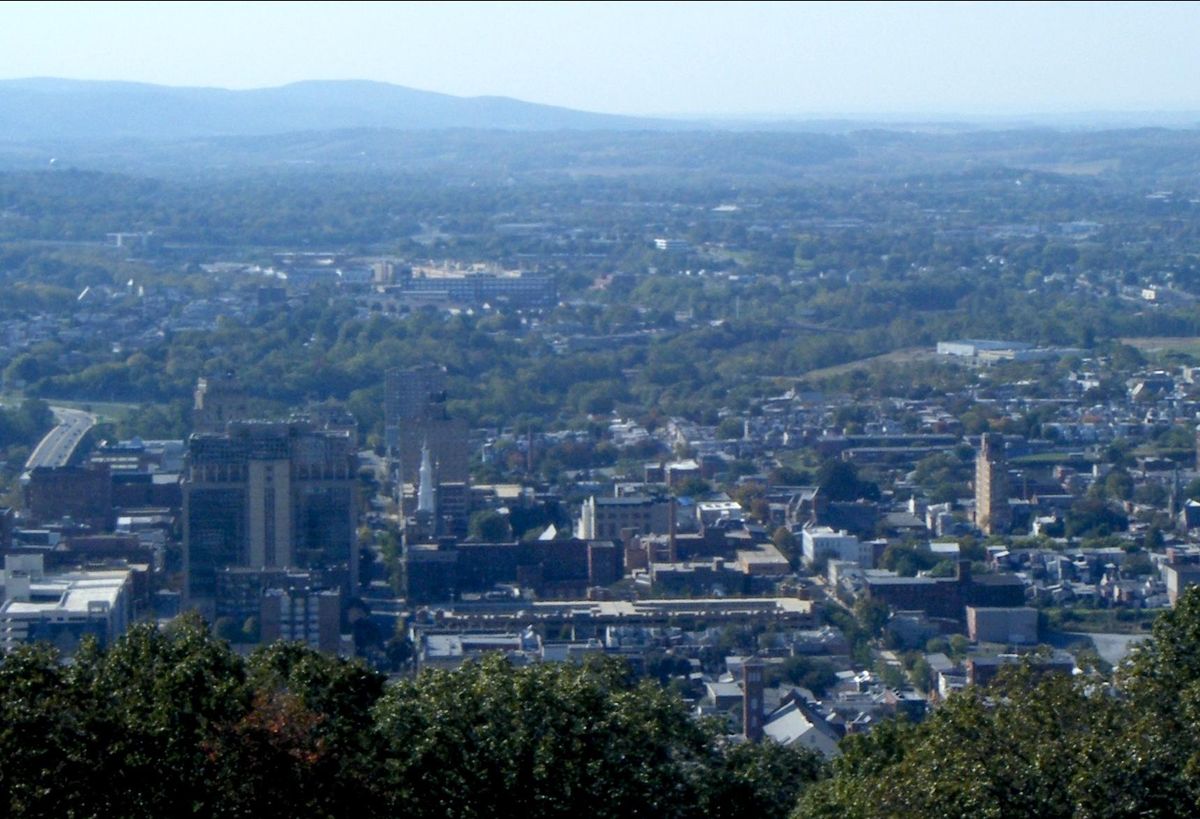
Developers are increasingly targeting midsized post-industrial cities in Eastern Pennsylvania, with Reading showing signs of a development resurgence. Once grappling with deindustrialization and high poverty rates, Reading has seen its poverty level decrease and population grow, though a significant housing shortage of 5,000 units persists.
In response, the city has implemented new development incentives over the last two years. A key initiative is the Community Redevelopment Impact Zone (CRIZ) program, added in December 2024, which allows for the capture and redistribution of state and local taxes to fund economic development projects. This program is already being utilized by Shuman Development Group for a $45 million shopping center on a former brownfield site and a $52 million mixed-use development downtown, featuring apartments and retail space.
Other efforts include the pilot Downtown Housing Development Grant Program, designed to incentivize the rehabilitation of apartments above historic retail buildings. Mayor Eddie Moran, in office since 2020, is noted for his supportive stance towards developers, contrasting with previous administrations. The city is also anticipating the reactivation of passenger rail service to Philadelphia by 2031, with plans for a transit-oriented district being considered.
Despite these efforts, some large redevelopment opportunities face challenges. The former Central Catholic High School property, though partially entitled for 78 units, saw a price reduction and may not qualify for CRIZ financing due to a lack of commercial component. Navigating historic tax credits and finding developers keen on the Reading market remain crucial factors for success. However, the city's cost spreads are attracting investors seeking better opportunities compared to more competitive markets like Lancaster and the Lehigh Valley.