Key facts
- Oil prices fell on Thursday following a ceasefire agreement between Israel and Lebanon.
- Brent crude futures decreased by 2.88% to $94.99 per barrel.
- U.S. West Texas Intermediate crude futures decreased by 3.32% to $92.83 per barrel.
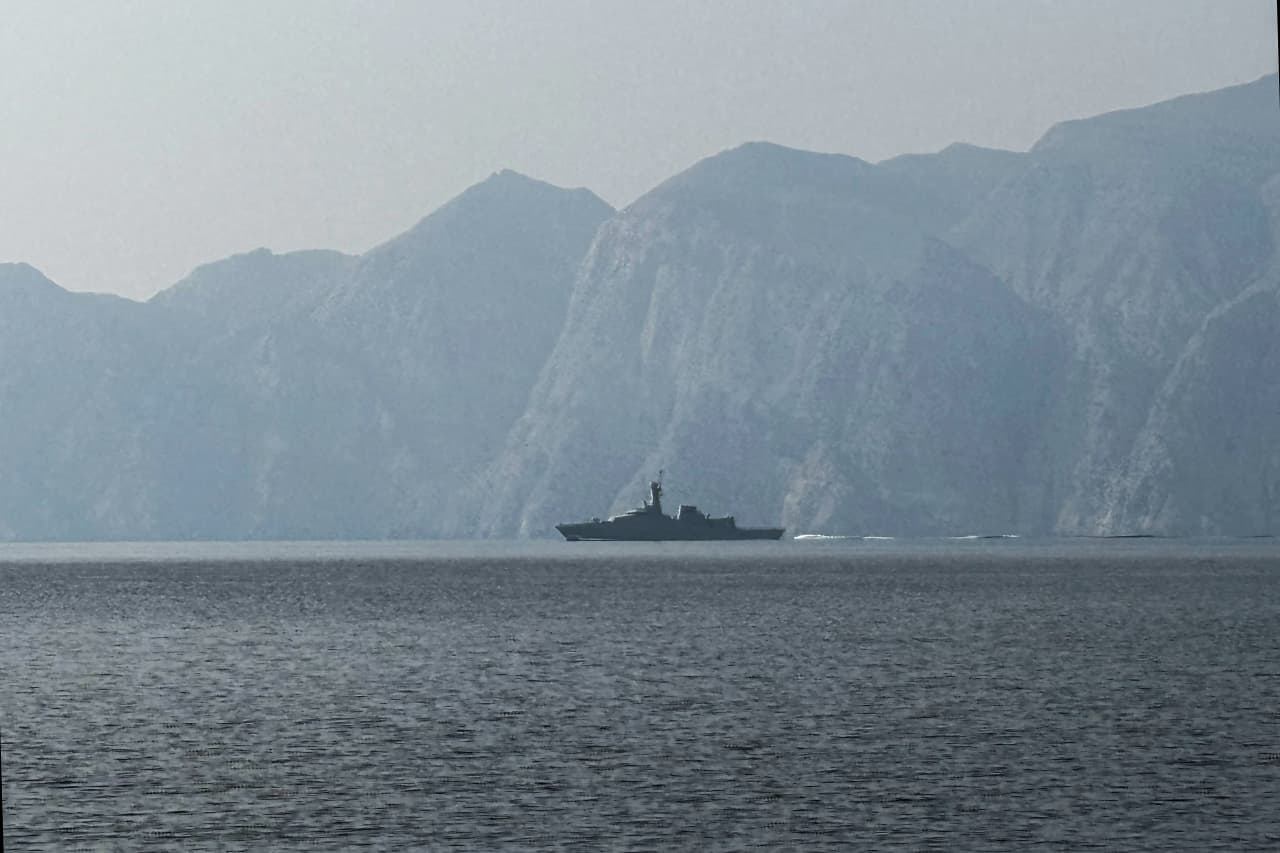
- The ceasefire raises hopes for a deal with Iran that could reopen the Strait of Hormuz.
- U.S. crude stockpiles fell by 8 million barrels in the week ended May 29.
- Russian oil production has reportedly fallen since the start of the year.
Oil prices slipped around 3% on Thursday on investor hopes for an end to the U.S.-Iran conflict that could lead to a reopening of the Strait of Hormuz, following a ceasefire deal between Israel and Lebanon. Israel and Lebanon agreed to implement a ceasefire late on Wednesday, raising hopes for a deal between Washington and Tehran. Brent futures were down 2.88% at $94.99 a barrel, while U.S. West Texas Intermediate crude was down 3.32% at $92.83. Crude futures reversed earlier gains as the ceasefire was announced. Shipping traffic in the Strait of Hormuz remains at a near standstill, but some repositioning of ships suggests a potential opening. U.S. crude stockpiles fell by 8 million barrels to 433.7 million barrels in the week ended May 29, a larger drop than analysts expected, partly due to near-record U.S. crude exports of 5.9 million barrels per day. Russian oil production has reportedly fallen since the start of the year due to unplanned refinery maintenance. Sluggish demand from China has also tempered rising prices, with Iranian oil prices slipping into discounts and Russian crude premiums easing. OPEC expects robust oil demand growth and is not changing its estimates.