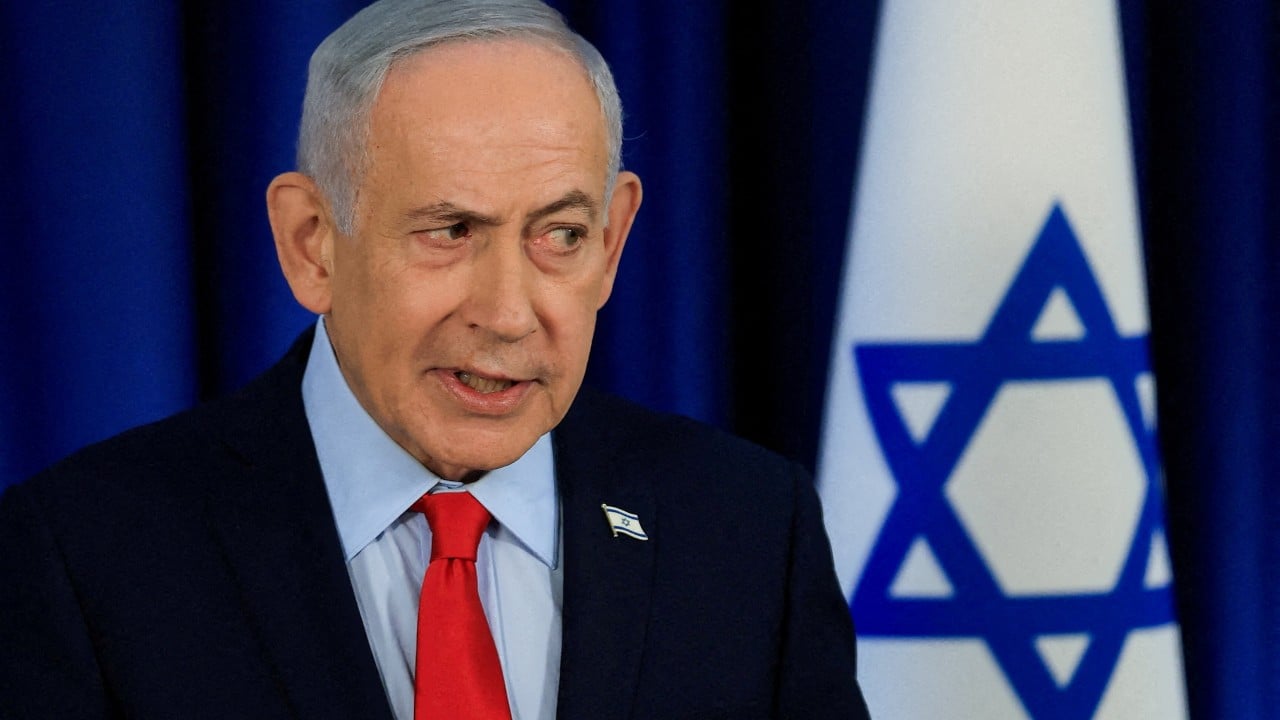
Israeli Prime Minister Benjamin Netanyahu has declared that Israeli troops will not withdraw from southern Lebanon in the foreseeable future, citing security requirements. Netanyahu described the established "security zone" as a crucial barrier protecting northern Israeli communities from the Hezbollah militia.
Netanyahu stated that Israel would maintain its military presence as long as its security needs dictated. However, the Lebanese government considers the territory controlled by Israel to be Lebanese land under illegal occupation.
A framework agreement between the United States and Iran, aimed at achieving a comprehensive end to regional military conflicts, does not explicitly mandate the withdrawal of Israeli troops from southern Lebanon. Hezbollah is identified as Iran's most significant regional ally.
Netanyahu also hailed a "historic victory over Iran," asserting that Israeli forces would remain in security zones "for as long as necessary." He claimed a joint US-Israeli military campaign had prevented "nuclear annihilation" for Israel. The interim deal between the US and Iran reportedly includes a ceasefire in Lebanon, though US officials have reassured Israel that withdrawal is not a condition of the pact. Israeli media, however, reportedly described the agreement as an "abject failure."
Despite the deal, sporadic violence persisted in southern Lebanon, with an Israeli drone strike killing one person and Hezbollah claiming to have attacked an advancing Israeli force. Hezbollah welcomed the US-Iran deal, linking its ceasefire adherence to Israel's compliance, while Israeli military sources indicated forces would refrain from attacking in Lebanon if Hezbollah respected the ceasefire. Concerns were raised by Israeli officials and commentators that the deal could strengthen Hezbollah and other Iran-backed militant groups.