Key facts
- Hezbollah rejected a U.S.-backed ceasefire proposal with Israel.
- Hezbollah demanded a full Israeli withdrawal from southern Lebanon.
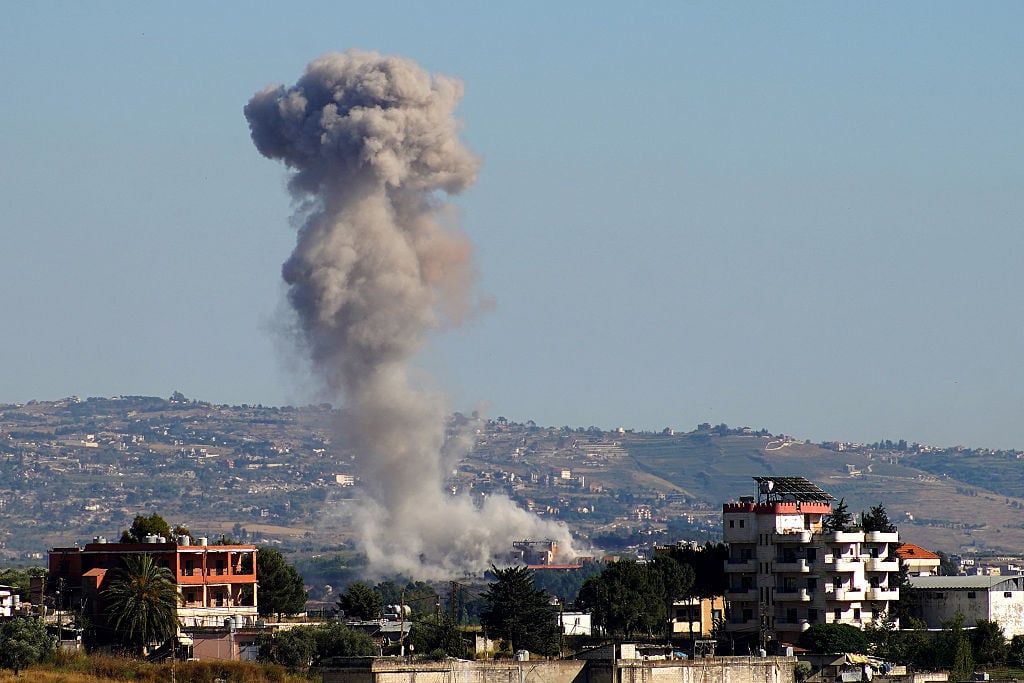
- Hezbollah and Israeli forces continued to exchange strikes.
- The conflict's continuation impacts U.S.-Iran peace negotiations.
- Over 3,500 have been killed in Lebanon since fighting reignited in March.
The Lebanese militant group Hezbollah on Thursday rejected a ceasefire proposal that had been agreed upon by Israel and Lebanon following U.S.-led negotiations. Naim Qassem, leader of the Iran-backed Shi'ite Muslim group, stated that Hezbollah is concerned only with a comprehensive cessation of aggression, a ceasefire, and the withdrawal of Israel. The proposed ceasefire was contingent on Hezbollah halting all fire and withdrawing its fighters from parts of southern Lebanon, but Qassem dismissed the terms as fulfilling "the enemy's objectives." The rejection comes amid continued strikes traded by Hezbollah and Israeli forces, with the Israel Defense Forces (IDF) warning residents of southern Lebanon about ongoing targeting of Hezbollah facilities. Israel's Defense Minister Israel Katz indicated that military operations in southern Lebanon would continue. Hezbollah reported targeting Israeli soldiers and vehicles. The ongoing conflict casts a shadow over U.S.-Iran peace negotiations, as Tehran insists any ceasefire with Washington must include a halt to Israeli strikes in Lebanon. Since the conflict reignited in March, at least 3,516 people have been killed and 10,674 wounded in Lebanon, according to the country's Health Ministry. The International Rescue Committee (IRC) estimates that around 1.3 million people have been displaced across Lebanon due to the hostilities. The ceasefire plan included the "complete cessation" of Hezbollah fire and withdrawal of fighters from the South Litani Sector, with the creation of "pilot zones" under the exclusive control of the Lebanese Armed Forces (LAF). However, Israel's Defense Minister stated the IDF would remain in the security zone. Representatives from Israel and Lebanon are scheduled to meet again the week of June 22.