Key facts
- Keir Starmer is reportedly set to reduce the UK's 2030 electric vehicle sales target.
UK Prime Minister Keir Starmer is reportedly planning to reduce the 2030 electric vehicle sales target from 80% to 50%, permitting increased hybrid sales to address industry and union concerns about job security. This decision comes as Starmer finalizes an £18 billion investment deal with Japan covering offshore wind, nuclear research, and AI, aimed at strengthening post-Brexit ties. Additionally, Starmer is scheduled to host leaders from France, Germany, and Ukraine at Downing Street, positioning himself as a key international figure.
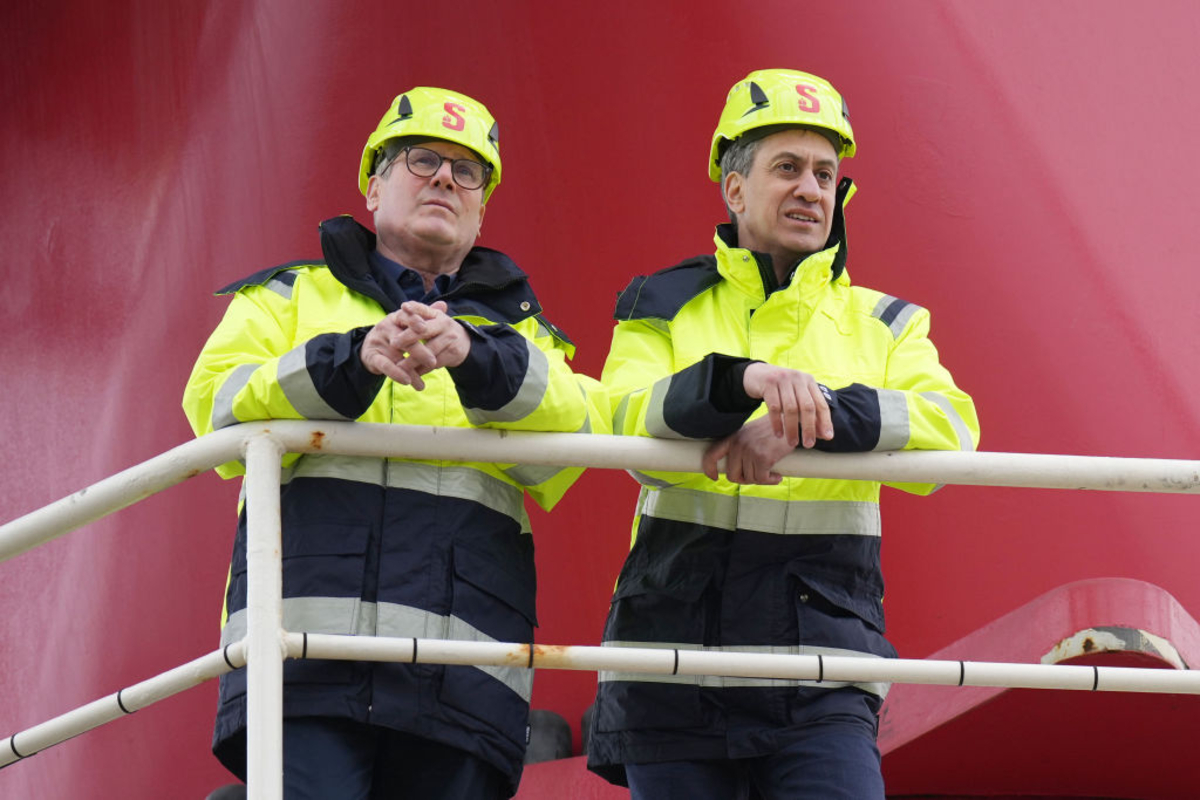
UK Prime Minister Keir Starmer is reportedly preparing to lower the 2030 target for electric vehicle sales, shifting it from 80% to 50% and allowing for a greater proportion of hybrid vehicle sales. This adjustment is intended to alleviate concerns voiced by the automotive industry and labor unions regarding job security within the sector. The Prime Minister has also secured a significant £18 billion investment agreement with Japan. This deal focuses on key areas such as offshore wind power development, nuclear research, and artificial intelligence technology, with the objective of reinforcing the United Kingdom's relationships following its departure from the European Union.
In parallel, Starmer is set to host leaders from France, Germany, and Ukraine at Downing Street for discussions. This diplomatic engagement is framed as an effort to showcase his statesmanship on the international stage. Meanwhile, a separate agreement between the UK and the EU is reportedly undergoing scrutiny, with particular attention paid to its potential financial implications for producers within the UK.
The proposed reduction in the EV sales target reflects ongoing debates about the pace of the transition to electric vehicles and its economic impact. Industry groups have previously warned that ambitious targets could strain supply chains and lead to job losses if not managed carefully. The investment deal with Japan highlights the UK's strategy to forge new international partnerships and attract foreign capital in critical technological and energy sectors after Brexit.
Starmer's hosting of European leaders, including Ukrainian President Zelenskyy, underscores the UK's continued commitment to supporting Ukraine and engaging with key European allies on security and economic matters. The scrutiny of the UK-EU agreement suggests that post-Brexit trade arrangements continue to present challenges and require ongoing negotiation and adjustment.
UK Prime Minister Keir Starmer is reportedly preparing to lower the 2030 target for electric vehicle sales, shifting it from 80% to 50% and allowing for a greater proportion of hybrid vehicle sales. This adjustment is intended to alleviate concerns voiced by the automotive industry and labor unions regarding job security within the sector. The Prime Minister has also secured a significant £18 billion investment agreement with Japan. This deal focuses on key areas such as offshore wind power development, nuclear research, and artificial intelligence technology, with the objective of reinforcing the United Kingdom's relationships following its departure from the European Union.