Key facts
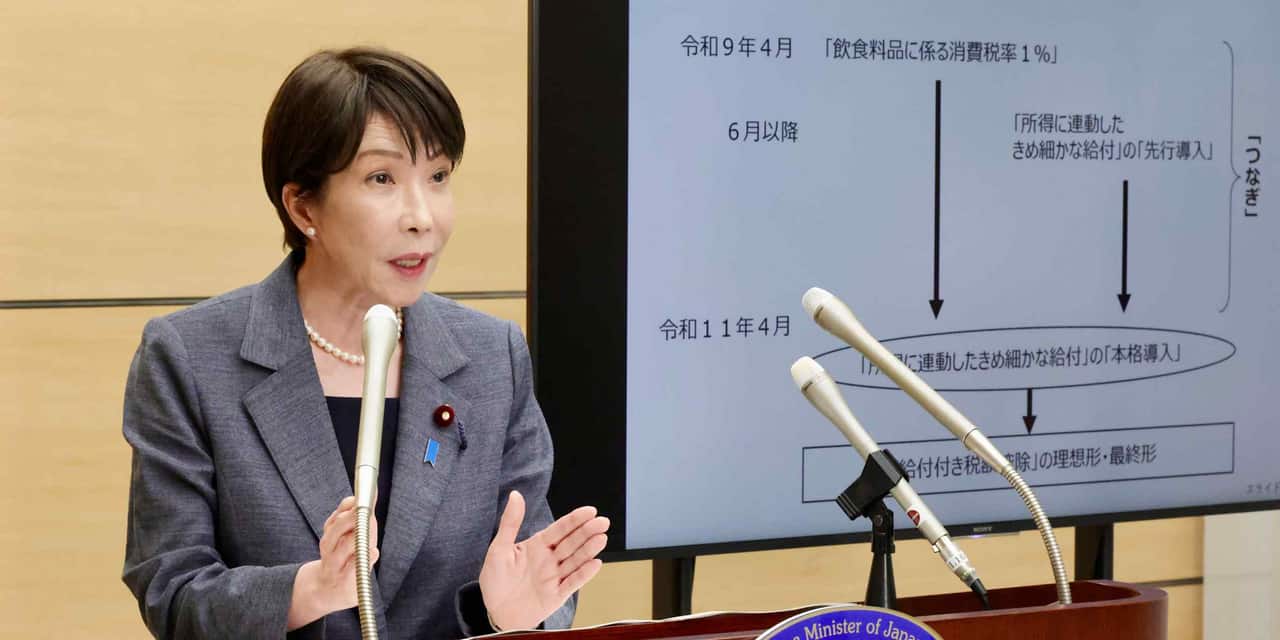
- Prime Minister Sanae Takaichi plans to reduce the consumption tax on food.
- The tax reduction is planned to be from 8% to 1%.
- The tax cut is intended to be temporary.
- The measure is scheduled to begin next April.
- Critics argue the move is shortsighted and risks fiscal health.
- Concerns exist about reduced social security funding.
- Potential for price increases is a cited risk.
- Takaichi stated the cut will not involve deficit-covering bonds.
- Questions remain about funding alongside growth and defense spending.
- Japan faces strained public finances.
Japanese Prime Minister Sanae Takaichi has announced plans to temporarily lower the consumption tax on food items from the current rate of 8% to 1%. This significant tax cut is slated to take effect starting next April. The proposal has drawn considerable criticism from various quarters, with opponents arguing that the move is shortsighted and could have detrimental effects on Japan's fiscal health. Critics express concerns that the reduction will erode fiscal discipline and diminish funding available for social security programs. There is also a potential risk that the measure could inadvertently lead to price increases for consumers, negating some of the intended benefits.
Despite these concerns, Prime Minister Takaichi has pledged to implement the food tax reduction without resorting to the issuance of deficit-covering bonds. This commitment aims to address immediate fiscal anxieties, but it raises further questions about the overall funding strategy. Analysts and policymakers are questioning how this tax cut can be financed concurrently with other major government spending initiatives. These include investments aimed at stimulating economic growth and a notable increase in defense spending, all within the context of Japan's already strained public finances. The challenge lies in balancing these competing demands on the national budget.