All NewsEducationTV
Equities & FundsCrypto & Digital AssetsAI & TechnologyBusiness & CorporateUS Politics & PolicyGeopolitics & Global RiskMacro, Rates & FXCommodities & EnergyEuropean Politics & MarketsAsia-PacificReal Estate & Property
Story archiveAll categories
← All Stories

Japan's PM Takaichi pushes food sales tax cut, risking fiscal health

Created at 31 Jul · 9:06 AM1 source↑ Market-relevant
IN SHORT

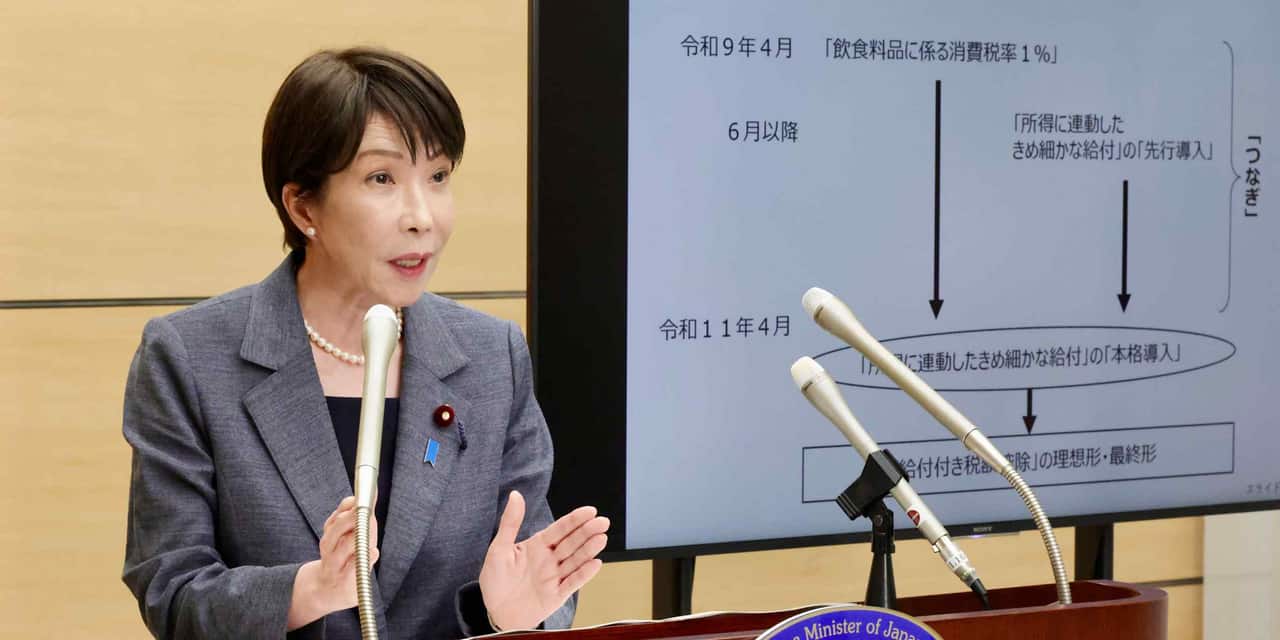
Japanese Prime Minister Sanae Takaichi plans to temporarily reduce the consumption tax on food from 8% to 1% starting next April. Critics argue the move is shortsighted, will erode fiscal discipline, reduce social security funding, and potentially lead to price increases.
✉Newsletter

PiQ Daily

Pick your topics. Get only what matters, on your cadence.

Key Numbers

8%current consumption tax rate on food
1%planned consumption tax rate on food
1989year consumption tax was introduced
4.3 trillion yenestimated annual loss in tax revenue
$26.74 billionestimated annual loss in tax revenue

Who's Involved

Sanae Takaichi
Japanese Prime Minister announcing the food sales tax cut plan
Liberal Democratic Party (LDP)
Ruling party whose proposal many opposition parties opposed
Japan's PM Takaichi pushes food sales tax cut, risking fiscal health

↳ Why This Matters

The planned tax cut threatens Japan's already precarious fiscal situation, potentially impacting social security funding and increasing national debt. It also raises concerns about inflation and the effectiveness of targeted support for low-income households.

Key facts

  • Japan will temporarily lower its consumption tax on food from 8% to 1% starting next April.
  • This is the first consumption tax reduction in Japan since the tax was introduced in 1989.
  • The plan is expected to result in an annual loss of approximately 4.3 trillion yen ($26.74 billion) in tax revenue.
  • Critics argue the tax cut is shortsighted and could lead to price increases rather than reduced consumer burden.
  • The government aims to reduce the burden on low- and middle-income individuals and stimulate the economy.
  • Japanese Prime Minister Sanae Takaichi has announced plans to temporarily reduce the nation's consumption tax on food from the current 8% to 1%, effective next April. This marks the first reduction in the consumption tax since its introduction in 1989.

    Critics contend that the decision is shortsighted and will undermine fiscal discipline, reduce funding for the social security system, and potentially increase reliance on deficit-covering government bonds. The government asserts the measure aims to alleviate the burden on low- and middle-income individuals struggling with high prices and to stimulate economic growth.

    However, concerns have been raised that manufacturers and retailers might exploit the tax reduction by increasing prices, a phenomenon observed in other countries that have implemented similar cuts. The estimated annual loss in tax revenue is approximately 4.3 trillion yen ($26.74 billion). While Takaichi maintains the government will not resort to deficit-financing bonds, the source of funding remains unclear. There is also apprehension that the tax cut, initially planned for a two-year period, could become politically difficult to reverse, potentially leading to a permanent reduction in revenue.

    Frequently asked questions

    Japan plans to temporarily lower the consumption tax on food from 8% to 1% starting next April.

    Critics argue it is shortsighted, will harm fiscal discipline, reduce social security funding, and could lead to price increases.

    The annual loss in tax revenue is estimated at approximately 4.3 trillion yen ($26.74 billion).

    The government states the aim is to reduce the burden on low- and middle-income people and stimulate the economy.

    What Happens Next

    01The consumption tax cut is scheduled to take effect next April.
    02The government will need to clarify the funding source for the tax reduction.
    03The impact on prices and consumer burden will be monitored.

    Get the newsletter.

    Pick the topics you actually care about. We'll email when there's news worth your time, on the cadence you choose. Cancel any time from your account.

    Cadence

    How It Developed

    Prime Minister Sanae Takaichi announced a plan to lower the consumption tax on food.
    The tax rate on food is set to decrease from 8% to 1% starting next April.
    This marks the first consumption tax reduction in Japan since its introduction in 1989.
    Critics argue the decision is shortsighted and will negatively impact fiscal discipline and social security funding.
    There is concern that manufacturers and retailers may use the tax cut as an opportunity to raise prices.
    The annual loss in tax revenue is estimated at approximately 4.3 trillion yen ($26.74 billion).
    The government claims it will not rely on deficit-financing bonds, but the funding source remains unclear.
    The tax cut is intended to reduce the burden on low- and middle-income earners and support the economy.

    Sources

    T1
    Takaichi's plan to cut sales tax on food threatens Japan's futureNikkei Asia
    T2
    Japan's Sanae Takaichi sticks to plan to cut food sales taxft.com
    T2
    Editorial: PM Takaichi's planned sales tax cut shows shortsightedness ...mainichi.jp

    Related Stories

    Japan PM Takaichi Pledges Food Tax Cut Without Deficit Bonds
    30 Jul · 5:11 PM
    Wildfires highlight French political inaction on climate crisis
    31 Jul · 4:11 AM
    Europe's retirement ages to rise significantly by 2060s
    31 Jul · 7:11 AM
    EU advisers warn of inadequate heatwave preparedness after 16,000 excess deaths
    31 Jul · 10:10 AM
    Portugal's education minister faces calls to resign over exam marking chaos
    31 Jul · 6:11 AM