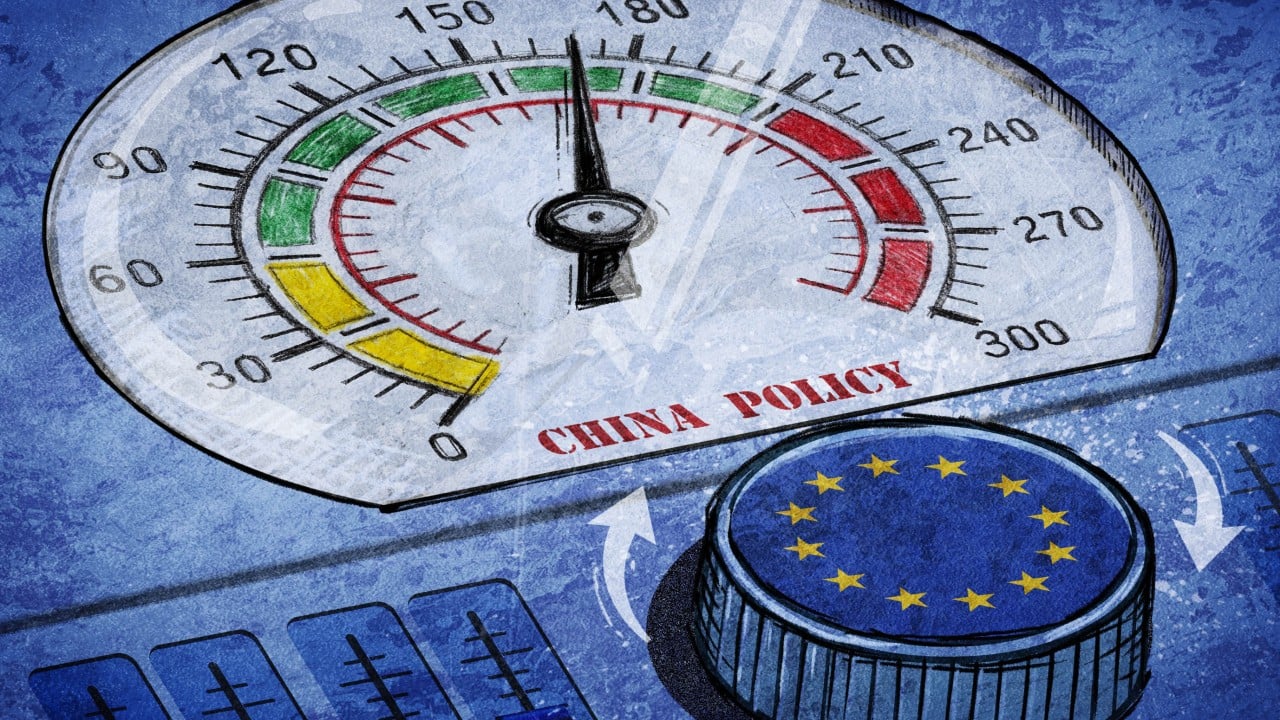
EU leaders debate new China strategy amid internal divisions
window 24h
IN SHORT
European Union leaders are convening in Brussels to deliberate on a unified strategy for engaging with China, a discussion complicated by internal divisions among member states regarding their economic interests and potential repercussions from Beijing. Concurrently, Members of the European Parliament are debating the bloc's economic competitiveness against the United States and China, highlighting issues such as slow growth, elevated energy prices, and regulatory hurdles. In a related development, Portugal has formally requested the European Commission to temporarily suspend planned reductions in free carbon allowances for industries, citing concerns about maintaining competitiveness amidst high energy costs and global market pressures.
✉Newsletter
PiQ Daily
Pick your topics. Get only what matters, on your cadence.
Who's Involved
European Union
Bloc of member states discussing China strategy and economic competitiveness
China
Economic competitor and subject of EU strategy debate
United States
Economic competitor in EU economic competitiveness debate
Portugal
Member state urging a pause on carbon market reductions for industry
European Commission
Body petitioned by Portugal regarding carbon allowances
Members of the European Parliament
Legislators debating EU economic competitiveness
1 / 3
Key facts
EU leaders are meeting in Brussels to discuss a new China strategy.
Internal divisions exist among EU member states regarding China policy.
MEPs are debating Europe's economic competitiveness against the US and China.
Challenges to EU economic competitiveness include sluggish growth, high energy costs, and regulatory burdens.
Portugal has asked the European Commission to temporarily freeze reductions in free carbon allowances for industries.
Portugal cited concerns over competitiveness and investment in decarbonisation.
High energy prices and international competition are factors in Portugal's request.
European Union leaders are currently gathered in Brussels to engage in discussions surrounding a new, unified strategy for their relationship with China. This crucial debate is reportedly fraught with internal divisions among the member states, each harboring distinct economic interests and concerns about potential retaliatory measures from Beijing. The primary objective of these deliberations is to establish a cohesive and united front in dealings with China, despite these divergent national perspectives.
In parallel, Members of the European Parliament (MEPs) have been actively debating the broader issue of Europe's economic competitiveness when juxtaposed against global economic powerhouses like the United States and China. Key challenges identified during these parliamentary discussions include the EU's persistent sluggish economic growth, the burden of high energy costs on businesses, and the impact of various regulatory frameworks. The MEPs explored a spectrum of potential solutions, with differing viewpoints emerging on whether deregulation or deeper economic integration within the EU would be the more effective path forward.
Adding another layer to the economic discourse, Portugal has formally petitioned the European Commission. The Portuguese government is urging a temporary pause on the planned reductions of free carbon allowances allocated to industries. This request stems from significant concerns regarding the competitiveness of Portuguese industries, particularly in light of prevailing high energy prices and intense international competition. Portugal argues that these factors hinder the industry's capacity to invest in necessary decarbonisation efforts, making the reduction of carbon allowances a potentially damaging policy at this juncture.
↳ Why This Matters
European Union leaders are currently gathered in Brussels to engage in discussions surrounding a new, unified strategy for their relationship with China. This crucial debate is reportedly fraught with internal divisions among the member states, each harboring distinct economic interests and concerns about potential retaliatory measures from Beijing. The primary objective of these deliberations is to establish a cohesive and united front in dealings with China, despite these divergent national perspectives.
Frequently asked questions
The main topic is the formulation of a new European Union strategy for dealing with China, officially framed as 'global macroeconomic imbalances and their implications for Europe’s competitiveness and prosperity'.
It is difficult due to potential retaliation from Beijing and the competing interests of individual EU member states regarding their relations with China.
Belgian Prime Minister Bart De Wever is mentioned as one of the EU's most vocal 'China hawks'.
What Happens Next
01EU leaders will debate the new China strategy over dinner.
02The council will provide guidance to the commission on moving forward.
Get the newsletter.
Pick the topics you actually care about. We'll email when there's news worth your time, on the cadence you choose. Cancel any time from your account.