Key facts
- Estimates suggest Brexit could cause a 2-3% loss in UK GDP per capita by 2023.
- Some estimates project a 6-8% reduction in UK GDP per capita by 2025.
- Disentangling Brexit's economic impact from COVID-19's effects is challenging.
- Northern Ireland's economy grew 16.5% between 2015 and 2023.
- Northern Ireland's growth outpaced all other UK regions.
- Northern Ireland's growth is attributed to post-conflict recovery, integration with Ireland, and the Windsor Agreement.
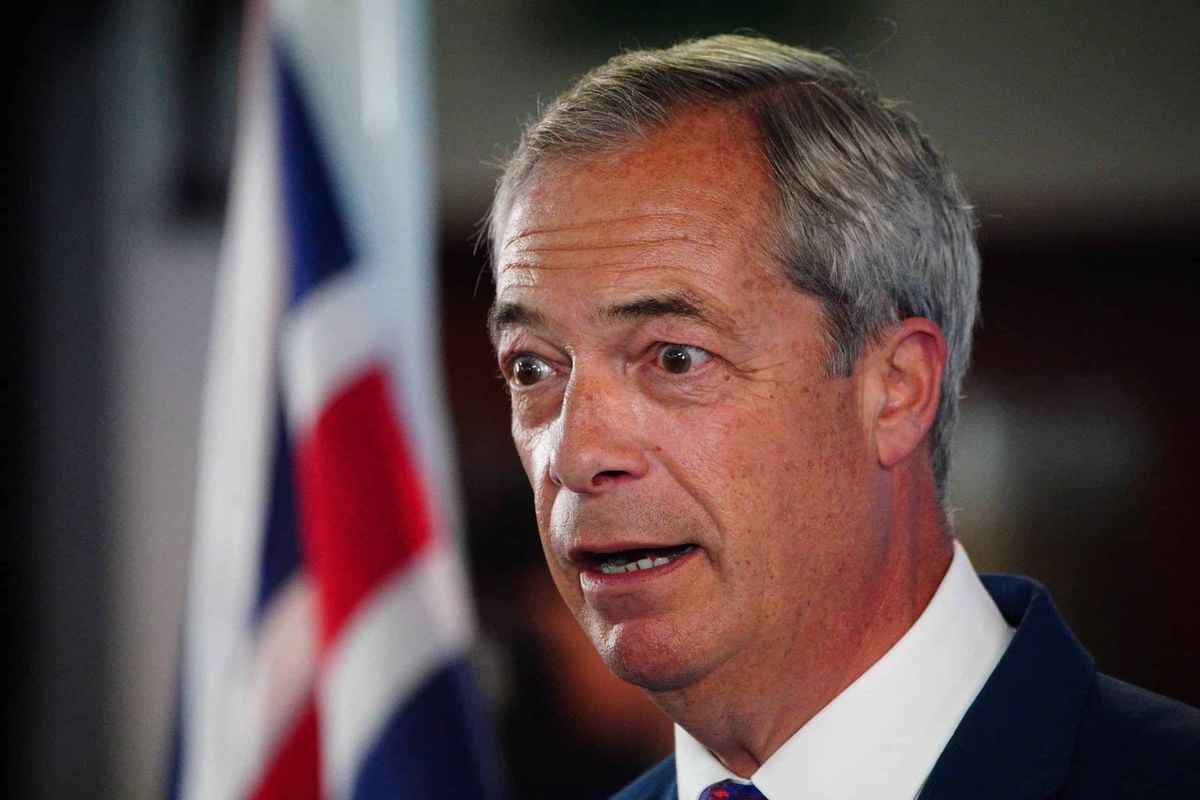
- A Labour minister accused Nigel Farage of wanting British businesses to fail.
- The Labour minister warned Farage's policies would impose more red tape and bureaucracy.
- The Labour minister stated Reform UK would take Britain backwards by ripping up the UK's Brexit reset agreement with the EU.
Estimates regarding the economic consequences of Brexit on the United Kingdom present a wide range of figures, with some research bodies projecting a loss of 2-3% in GDP per capita by 2023. Other analyses suggest a more significant reduction, potentially reaching 6-8% by 2025. Analysts face considerable challenges in isolating the specific effects of Brexit from the broader economic disruptions caused by the COVID-19 pandemic, making definitive assessments difficult.
In contrast to the varied negative projections for the UK economy, Northern Ireland has demonstrated robust economic growth. Between 2015 and 2023, its economy expanded by 16.5%, outperforming all other regions within the United Kingdom. This growth is attributed to a combination of factors, including ongoing post-conflict recovery efforts, deepening integration with the economy of the Republic of Ireland, and specific benefits derived from the Windsor Agreement. These regional successes are noted as distinct from, and not solely attributable to, the broader Brexit decision.
Separately, a Labour minister has voiced concerns about the potential economic policies advocated by Nigel Farage and his Reform UK party. The minister warned that Farage's approach would