Key facts
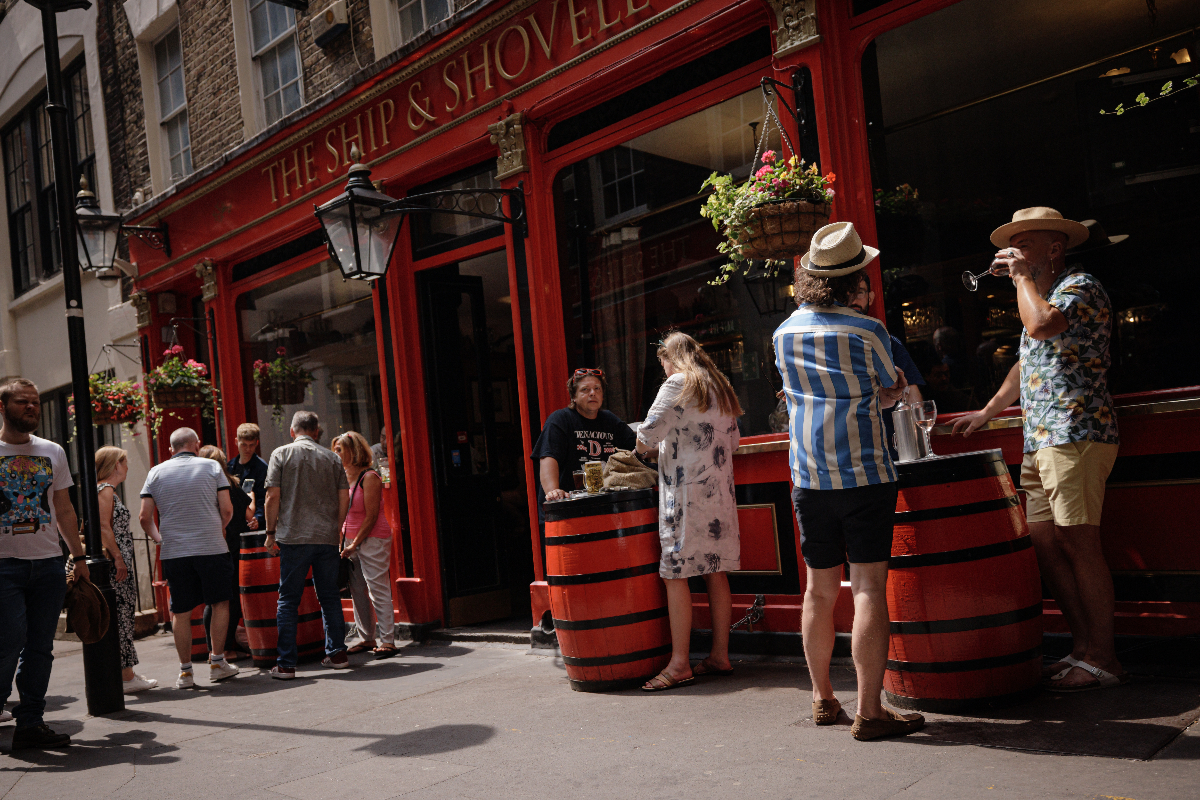
- Downing Street has backed 'vertical drinking' in London pubs, urging Westminster City Council to support the industry.
- Westminster Council's draft guidance proposed restrictions on standing and potentially refusing new licenses in areas like Soho.
- The draft aimed to curb excessive drunkenness and promote seating and table service.
- London Mayor Sadiq Khan criticized the council's draft policy.
- The British Beer and Pub Association called further restrictions a 'misstep' for struggling pubs.
The UK government, through Downing Street, has publicly supported the practice of 'vertical drinking' in London pubs, urging Westminster City Council to work with the hospitality industry. This intervention comes amid a public debate sparked by draft guidance from Westminster Council that suggested significant restrictions on standing patrons and potentially refusing new licenses in areas like Soho, Oxford Street, and Trafalgar Square. The council's draft policy aimed to discourage excessive drunkenness and promote seating and table service over open bar spaces catering to standing customers.
London Mayor Sadiq Khan weighed into the controversy, criticizing the council's approach as a 'village-hall mindset' for a major nightlife district. However, the leader of Westminster Council, Paul Swaddle, has since stated that there are no plans to stop 'vertical drinking' and accused the press of publishing confusing stories. Swaddle also engaged in a dispute with City Hall, suggesting they do not need lectures on supporting hospitality.
Industry groups have also voiced concerns. Emma McClarkin, chief executive of the British Beer and Pub Association, described efforts to impose further restrictions on pub landlords as a 'total misstep,' particularly at a time when pubs are closing at a rate of two per day and publicans are earning minimal profit per pint.
The government's stance aligns with recent efforts by the Prime Minister to present himself as an ally of the struggling pub sector, including publicizing cuts to hospitality business rates. Despite these publicized efforts, reports suggest that savings from such measures may be overshadowed by other rising business costs, including increased employment costs and business rates since the Labour party came to power in 2024.