HomeAll NewsEducationTV
Equities & FundsCrypto & Digital AssetsAI & TechnologyBusiness & CorporateUS Politics & PolicyGeopolitics & Global RiskMacro, Rates & FXCommodities & EnergyEuropean Politics & MarketsAsia-PacificReal Estate & Property
Story archiveAll categories
← All Stories

Japan office workers cool off with shorts amid record-breaking summers

Created at 26 Jul · 1:41 AM1 source↑ Market-relevant
IN SHORT

Japan's summers are getting hotter, leading to a trend of office workers wearing shorts. The Tokyo government is encouraging this as part of its 'Cool Biz' initiative to save energy and improve comfort, though it has sparked debate about workplace etiquette and gendered appearance standards.

✉Newsletter

PiQ Daily

Pick your topics. Get only what matters, on your cadence.

Key Numbers

20%Sanyo Shokai shorts sales goal overshoot
40 deg Ctemperature for 'kokushobi' days
2 deg Cabove historical averages for last summer's temperature
28 degrees Celsiusthermostat setting in Japanese government workplaces
90%Japan's oil import dependence on the Middle East
20%natural gas used in South Korea via the Strait of Hormuz
20 daysfurther release from Japan's strategic oil reserves

Who's Involved

Sanyo Shokai
Apparel maker seeing increased shorts sales
Noboru Watanabe
Tokyo environmental official embracing shorts policy
Ruai Sajiki
Tokyo government employee commenting on bare legs in office
Atsuko Tamada
Professor and commentator on gendered appearance standards
Yuriko Koike
Tokyo Governor and former Environment Minister behind 'Cool Biz'
Japanese Meteorological Agency
Introduced term 'kokushobi' for extremely hot days
Japan office workers cool off with shorts amid record-breaking summers

↳ Why This Matters

The shift towards allowing shorts in Japanese offices reflects a broader societal adaptation to climate change and energy security concerns, challenging traditional workplace norms and sparking important conversations about gender equality and professional appearance standards.

Key facts

  • Shorts are becoming more popular as office wear in Japan due to increasingly hot summers.
  • The Tokyo government has implemented a policy allowing public servants to wear shorts to work.
  • This initiative is part of the broader 'Cool Biz' campaign aimed at reducing energy consumption.
  • The trend has led to increased sales for apparel makers offering business-casual shorts.
  • The policy has generated discussion about workplace etiquette, particularly concerning 'leg-hair harassment' and gendered expectations.

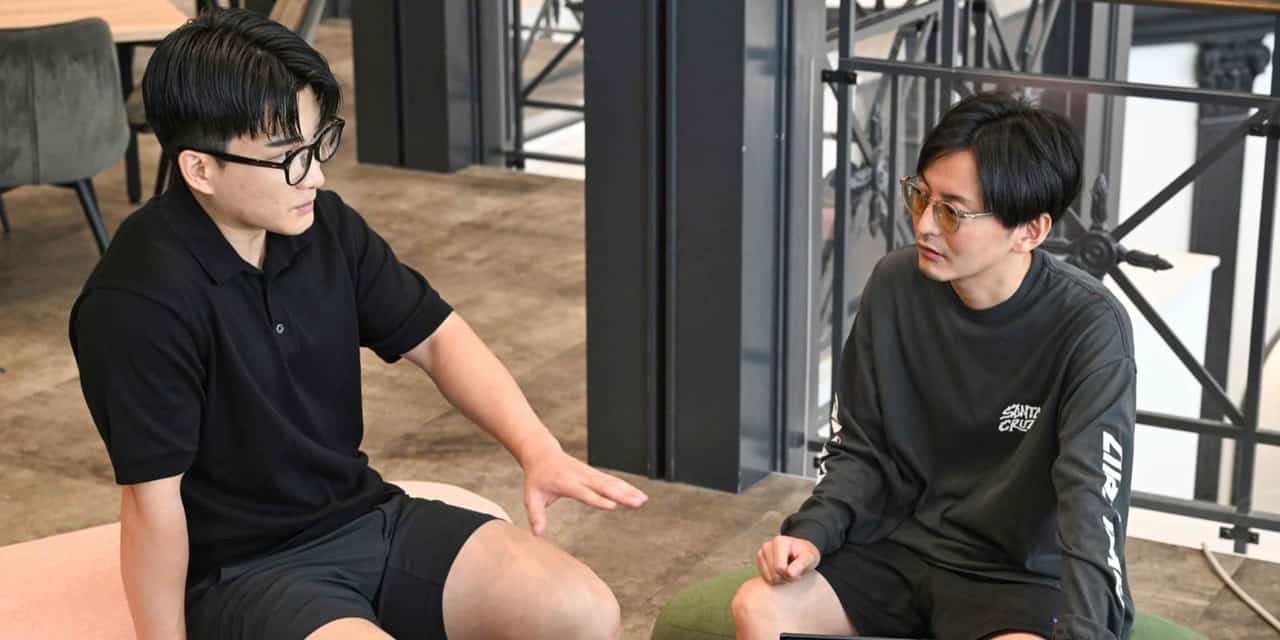
Shorts are emerging as a surprising new staple in Japan's traditionally formal office attire, driven by successive record-breaking summer heatwaves and government initiatives to conserve energy. Apparel makers are capitalizing on this trend, with Sanyo Shokai exceeding its sales goals for business-casual shorts.

The Tokyo metropolitan government has begun encouraging its public servants to wear shorts as part of its 'Cool Biz' campaign, a long-standing initiative aimed at reducing air conditioning use and greenhouse gas emissions. This year, the policy has been amplified by concerns over energy security, exacerbated by the ongoing conflict in the Middle East and rising oil prices, which particularly impacts resource-poor Japan's heavy reliance on oil imports from the region.

While the move is intended to improve comfort and reduce energy dependence, it has ignited discussions about workplace etiquette and gendered expectations. The term 'sune-hara,' or 'leg-hair harassment,' has been coined to describe the discomfort some women feel observing male colleagues' bare legs. Critics argue that the policy, while officially gender-neutral, unfairly burdens women who still face pressure to maintain more conservative dress codes, including wearing pantyhose or long skirts.

Officials like Tokyo environmental official Noboru Watanabe have embraced the change, reporting feeling younger and more approachable, and believing it helps relax the office atmosphere. However, differing opinions persist, with some employees acknowledging the potential for jarring sights in a professional setting. The 'Cool Biz' initiative, originally launched in 2005, has gradually expanded, and the current climate crisis and energy concerns have pushed the boundaries further, with shorts now being considered a necessary step in reducing attire layers.

Frequently asked questions

The 'Cool Biz' initiative is a Japanese government campaign launched in 2005 to encourage workers to dress down during summer, reducing air conditioning use and energy consumption. It initially focused on removing ties and jackets but has evolved to include more casual attire.

Record-breaking summer heat and concerns over energy security, partly due to the conflict in the Middle East and rising oil prices, have prompted the Tokyo government to encourage more casual attire, including shorts, to improve comfort and reduce reliance on air conditioning.

'Sune-hara' is a Japanese term coined to describe 'leg-hair harassment,' referring to the discomfort some women feel observing male colleagues' bare legs in the office.

Japan's heavy reliance on Middle East oil imports makes it vulnerable to disruptions in shipping lanes like the Strait of Hormuz. The ongoing conflict has heightened concerns about energy security, reinforcing the need for energy-saving measures like the 'Cool Biz' initiative.

What Happens Next

01Further evaluation of the impact of 'Cool Biz' on energy consumption and office comfort.
02Ongoing debate and potential policy adjustments regarding gendered dress codes in Japanese workplaces.
03Monitoring of retail sales for business-casual shorts and related apparel.

Get the newsletter.

Pick the topics you actually care about. We'll email when there's news worth your time, on the cadence you choose. Cancel any time from your account.

Cadence

How It Developed

Japan's summers are experiencing record-breaking heat.
The Tokyo government is allowing its workers to wear shorts in the office.
This policy is part of the 'Cool Biz' initiative to reduce air conditioning use and save energy.
Apparel brands are introducing new products, including office-appropriate shorts, to meet demand.
The move has sparked debate regarding workplace etiquette and gendered appearance standards.
Some argue that the policy is unfair to women, who still face pressure to adhere to more conservative dress codes.
The 'Cool Biz' initiative was first introduced in 2005 to reduce greenhouse gas emissions.
The current energy crunch, exacerbated by the US-Israel war on Iran and rising oil prices, has intensified the need for energy-saving measures.
Sponsored

London Quick Take - 22 July - UK inflation softens, oil rises and chips rally ahead of Alphabet, Tesla earnings

SAXO

Sources

T1
Japan office workers cool off with shorts amid record-breaking summersNikkei Asia
T2
Tokyo workers encouraged to wear shorts to cut energy costs and keep cooltheguardian.com
T2
Men in shorts are shaking up Japan's buttoned-down officesbusinesstimes.com.sg
T2
Too hot for suits? Japan tells employees to wear shorts to work as ...businesstoday.in

Related Stories

Hong Kong mandates fire escape hoods in hotels and guest houses
25 Jul · 10:26 AM
Italy offers ousted Ukraine defense chief adviser role
25 Jul · 7:27 AM
German teacher on sick leave for 17 years fights forced retirement
25 Jul · 12:11 PM
Global AI Governance Debate Excludes Half the World
25 Jul · 9:36 PM