Key facts
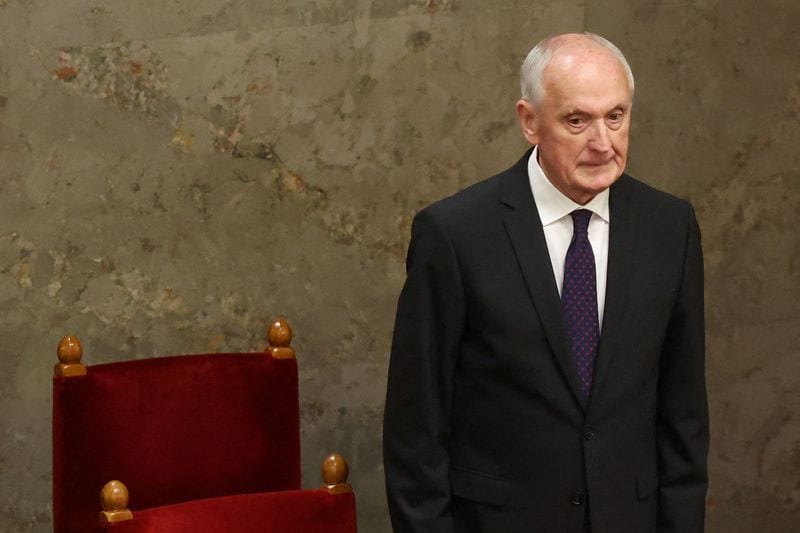
- Andras Baka, former head of the Supreme Court, has been elected as Hungary's next president.
- The election was conducted by Hungary's parliament, with the governing Tisza party's votes securing Baka's position.
- Members of the opposition Fidesz party did not participate in the election.
- Baka's nomination is seen as a symbolic move by Prime Minister Peter Magyar to dismantle former premier Viktor Orban's influence.
- Baka previously served as a judge on the European Court of Human Rights and was removed from his Supreme Court position by Orban's government in 2012.
BUDAPEST, Aug 11 (Reuters) - Hungary's parliament elected Andras Baka, a former head of the Supreme Court, as the country's next president on Tuesday. The election is viewed as a symbolic step in Prime Minister Peter Magyar's efforts to dismantle the power structures established by former premier Viktor Orban.
Baka secured the largely ceremonial role with the votes of the governing centre-right Tisza party. Members of the opposition Fidesz party did not participate in the election.
The ruling Tisza party had nominated Baka, citing his commitment to the separation of powers, rule of law, and judicial independence. Tisza lawmakers stated that Baka's experience would be a significant asset in establishing Hungary's new constitutional order. Prime Minister Magyar, whose party won a landslide victory in April elections ending Orban's 16-year rule, has pledged to restore democratic standards and has called for key Orban-appointed officials to resign.
Removing former President Tamas Sulyok, whom Magyar described as Orban's "puppet," was a key objective. Sulyok's presidency concluded last month following a constitutional amendment passed by Magyar's party. The new president is expected to serve until a new constitution takes effect, or for a maximum of five years.
Baka, who previously served as a judge on the European Court of Human Rights, was removed as head of the Supreme Court by Orban's government in 2011, prior to the end of his term. The European Court of Human Rights ruled in 2014 that Hungary had unfairly dismissed Baka for criticizing the government, impacting democratic freedoms, a ruling Hungary's government rejected.
The opposition Fidesz party announced it would boycott the presidential election, accusing Tisza of authoritarian policies, allegations that Tisza denied.