Key facts
- xAI, maker of Grok, has refused to sign a European Union-led initiative to watermark AI-generated content.
- Anthropic, OpenAI, and Google have committed to the EU's Code of Practice on Transparency of AI-generated content.
- Anthropic will embed invisible, machine-readable watermarks into new Claude models, aiming for global application.
- OpenAI plans to expand its content provenance measures to text, indicating ChatGPT will likely adopt watermarking.
- Grok has previously been investigated by regulators for its ability to create manipulated images.
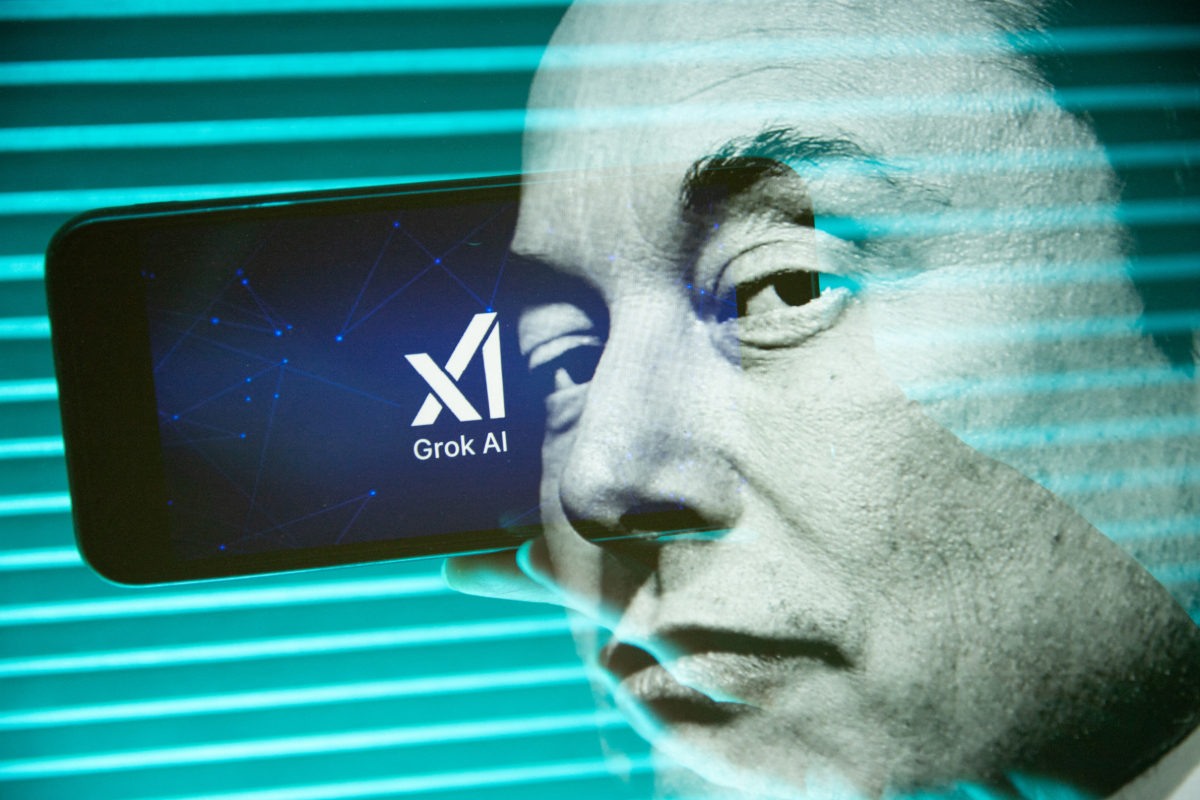
Elon Musk's AI firm xAI, the creator of Grok, has declined to join a European Union initiative requiring AI-generated content to be watermarked. This decision positions Grok to potentially bypass transparency measures that rivals like Anthropic, OpenAI, and Google are adopting.
Anthropic, the maker of Claude, announced it would embed invisible, machine-readable watermarks into its AI-generated text, a move intended to comply with the EU's AI Act. This commitment means new Claude models will carry signals indicating their origin, designed to persist through copying and some editing.
Several other major AI players, including Microsoft, Meta, and Mistral, have also signed onto the EU's charter, signaling a broader industry trend towards traceable AI content. OpenAI has stated its intention to extend its existing content provenance measures to text, suggesting that ChatGPT will likely follow Claude's lead in implementing watermarking.
Google is also expected to implement similar measures for its Gemini models, though specific details are still being determined. These commitments are part of the European Commission's Code of Practice on Transparency of AI-generated content, aimed at enhancing trust and accountability in AI systems.
In contrast, xAI has not signed this code, indicating no voluntary commitment to watermarking Grok's output. However, the company will still be subject to the EU AI Act's mandatory requirements, which could eventually compel them to implement a watermarking system regardless of their participation in the voluntary charter.
Grok has previously faced significant regulatory scrutiny. The European Commission initiated an investigation into X, Grok's parent company, in January due to concerns about the chatbot's capacity to generate sexualized images of real individuals and whether the associated risks were adequately managed. Similar investigations were conducted by regulators in the UK, Australia, France, and Germany.