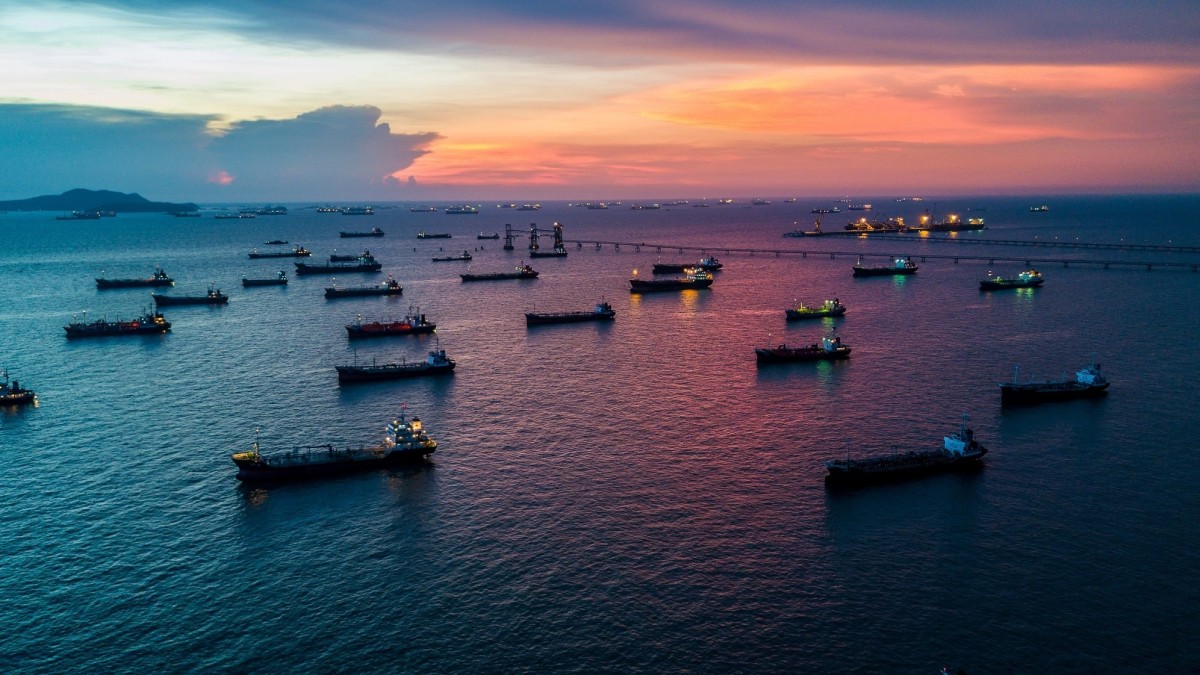
The European Union's latest sanctions package against Russia, intended to sustain economic pressure, has revealed significant internal divisions, particularly concerning Russian liquefied natural gas (LNG) shipping.
Greece, a global leader in maritime transport, has strongly advocated for a cautious approach to sanctions affecting LNG shipping. Athens argues that overly restrictive measures could damage the competitiveness of European shipping companies and fail to materially reduce Russia's export revenues, as other nations would likely fill the void. This stance has led to a compromise within the EU, including a temporary exemption for certain shipping activities related to Russian LNG destined for third countries, allowing the broader sanctions package to move forward.
This debate underscores a broader challenge for the EU: balancing geopolitical objectives with commercial realities. While public discussion has often focused on reducing direct EU imports of Russian energy, the current negotiations highlight the critical role of maritime logistics in enabling Russian hydrocarbon exports to global markets. Russia continues to export substantial volumes of oil and LNG, particularly to India and China, with Turkey serving as a processing hub, demonstrating the adaptability of global energy markets.
The Greek position is rooted in the international nature of the shipping industry, where vessels can change flags and cargoes can be rerouted. Critics of exemptions argue they weaken the overall coherence of the sanctions regime and send mixed signals. The EU's experience since 2022 shows that while sanctions have increased Russia's transportation costs, they have not eliminated its ability to export significant volumes.
This situation prompts a policy question about whether future sanctions should more directly target transport capacity itself, acknowledging the complex global shipping ecosystem. Brussels is increasingly recognizing that merchant fleets are becoming strategic assets, influencing geopolitical resilience as much as commercial enterprises. The ability to control logistics is seen as a key factor in market access, a reality understood by Russia, China, and Arab nations investing heavily in maritime infrastructure.