Key facts
- Germany is reportedly set to abandon its F126 frigate procurement program.
- The F126 program has been plagued by delays and cost increases.
- Defense Minister Boris Pistorius intends to purchase eight smaller MEKO A200 frigates from TKMS.
- The F126 program was one of the largest naval procurement projects in German history.
- The first F126 delivery was expected to be delayed until 2032.
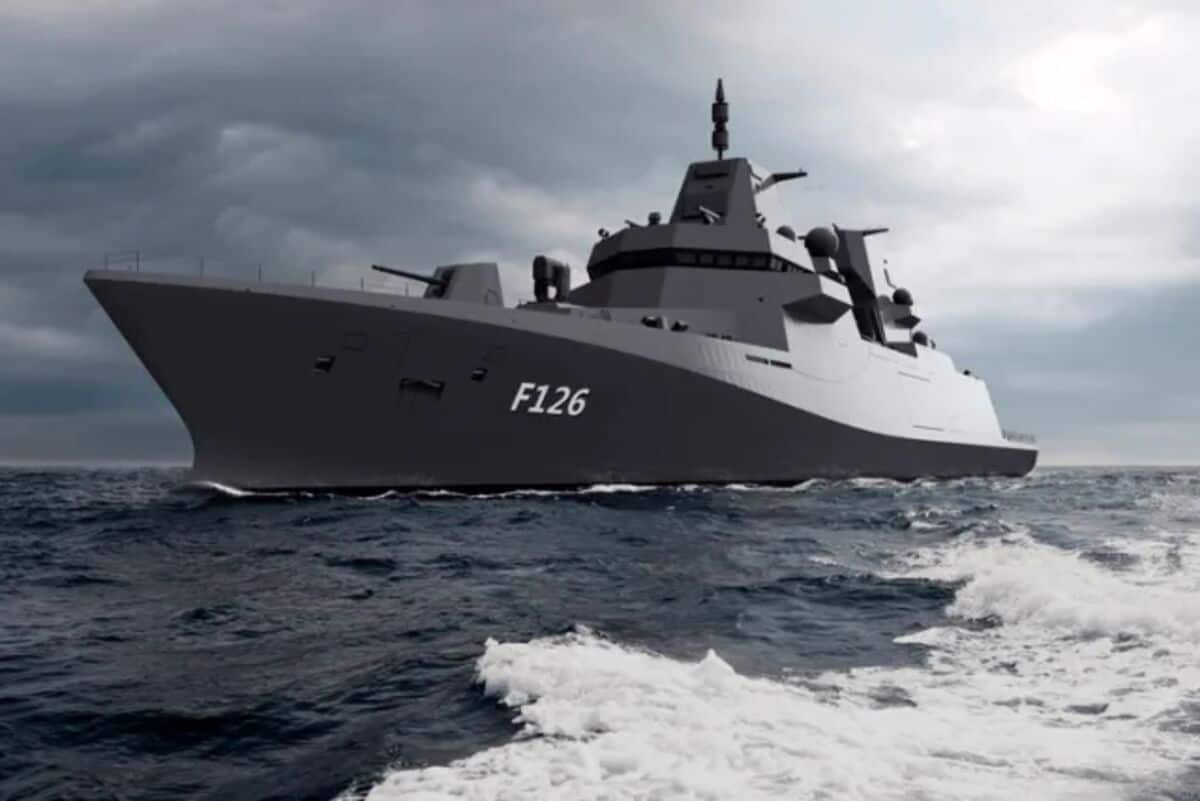
Germany is reportedly preparing to abandon its F126 frigate program, a significant naval procurement project that has been plagued by delays and escalating costs. Defense Minister Boris Pistorius is said to plan the purchase of eight smaller MEKO A200 frigates from German manufacturer TKMS instead of the six larger F126 vessels.
The F126 program, originally known as MKS 180, was awarded to Dutch shipbuilder Damen Naval and has faced challenges including software integration issues and disputes between contractors and procurement authorities. Recent reports indicated that the first F126 delivery could be pushed back to 2032, with estimated costs for the six ships rising to approximately €14 billion. Germany had already invested around €2 billion in the program.
The potential shift to the MEKO A200 frigates, while smaller, is seen as a more mature and lower-risk platform that could be delivered more quickly. Germany had previously approved funding measures linked to a potential MEKO procurement, targeting the first ship for delivery before the end of 2029. This move comes amid increased pressure on NATO members to rapidly expand military readiness following Russia's invasion of Ukraine.
The cancellation would represent a setback for Rheinmetall, Germany's largest defense company, which had positioned itself to take over leadership of the F126 project from Damen through its planned acquisition of Naval Vessels Lürssen (NVL). Rheinmetall executives had anticipated a contract worth approximately €12 billion.
The German defense ministry confirmed the F126 project was on hold due to 'massive delays' and that no decisions had been made yet, but acknowledged plans to upgrade some existing frigates to remain operational until 2035 to allow additional time for new warship deliveries.