All NewsEducationTV
Equities & FundsCrypto & Digital AssetsAI & TechnologyBusiness & CorporateUS Politics & PolicyGeopolitics & Global RiskMacro, Rates & FXCommodities & EnergyEuropean Politics & MarketsAsia-PacificReal Estate & Property
Story archiveAll categories
← All Stories

Germany's Sunday rest laws clash with economic ambitions

Created at 27 Jul · 10:35 AM1 source
IN SHORT

Germany's efforts to boost its economy and compete with China are encountering resistance from deeply ingrained traditions, particularly the long-standing practice of keeping shops closed on Sundays. This cultural norm is now being challenged by calls for increased economic activity.

✉Newsletter

PiQ Daily

Pick your topics. Get only what matters, on your cadence.

Who's Involved

Germany
nation facing economic and cultural challenges
China
economic competitor
Germany's Sunday rest laws clash with economic ambitions

↳ Why This Matters

Germany's struggle to balance its economic ambitions with its cultural traditions highlights a broader challenge faced by many developed economies. The outcome of this debate could impact consumer access, business models, and the overall economic trajectory of Europe's largest economy.

Key facts

  • Germany's economic competitiveness is being hampered by its tradition of Sunday rest.
  • The country is seeking to boost its economy to better compete with China.
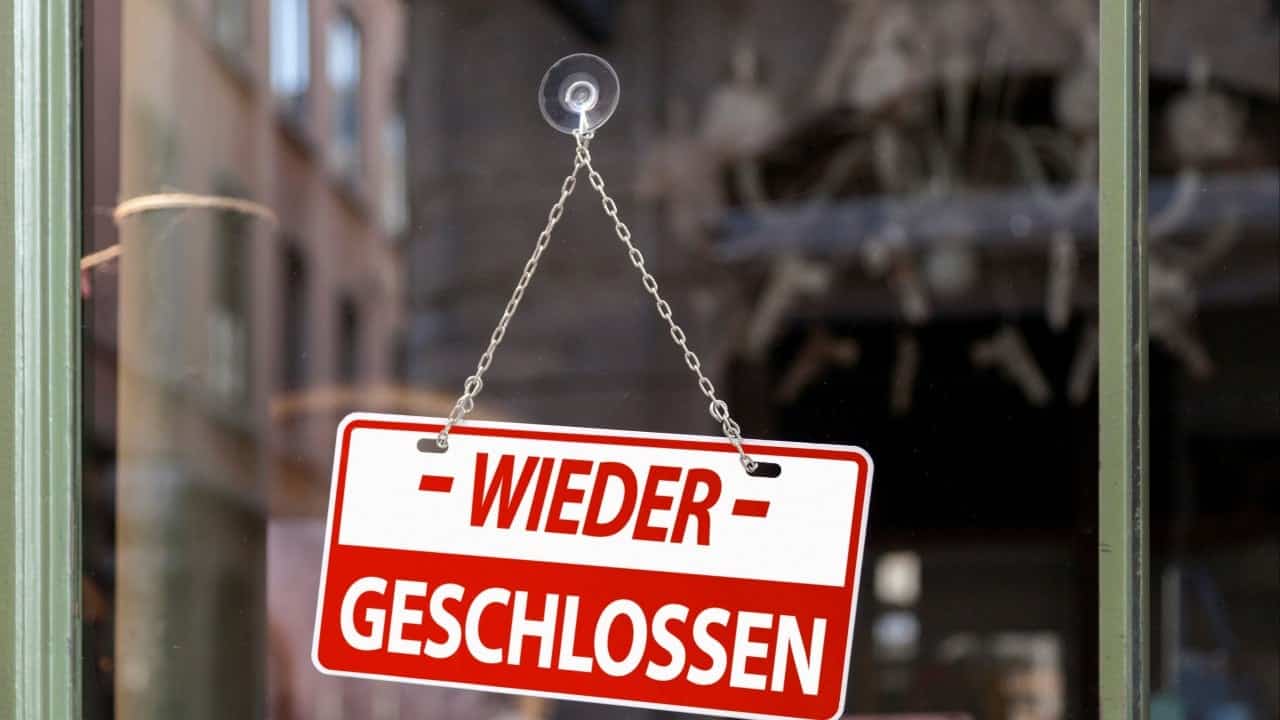
  • The tradition of shops being closed on Sundays is a significant cultural norm.
  • There are growing calls to relax these restrictions to stimulate economic growth.

Germany's ambition to bolster its economy and enhance its competitive standing against China is running into a significant cultural hurdle: the deeply entrenched tradition of observing Sunday as a day of rest, which includes widespread shop closures.

This long-standing practice, rooted in cultural and religious history, is now being scrutinized as a potential impediment to economic growth. As Germany seeks to invigorate its industrial output and trade, particularly in light of global competition, the restrictions on Sunday trading are coming under increasing pressure.

Calls are emerging from various sectors of society and industry to re-evaluate these traditions. Proponents argue that allowing businesses to operate on Sundays could lead to increased economic activity, job creation, and a stronger overall economic performance, thereby improving Germany's ability to compete on the global stage, especially with economic powerhouse China.

Frequently asked questions

Germany is facing a conflict between its economic goals to compete with China and its cultural tradition of keeping shops closed on Sundays.

The tradition of Sunday rest is deeply rooted in German cultural and religious history, with most shops traditionally closed on this day.

Proponents argue that relaxing Sunday trading laws could boost economic activity, create jobs, and improve Germany's competitiveness against countries like China.

What Happens Next

01Debates are expected to continue regarding the relaxation of Sunday trading laws.
02Potential policy changes may be considered to address economic competitiveness concerns.

Get the newsletter.

Pick the topics you actually care about. We'll email when there's news worth your time, on the cadence you choose. Cancel any time from your account.

Cadence

How It Developed

Germany faces a conflict between its economic goals and cultural traditions.
The tradition of Sunday rest is being challenged by calls for increased economic activity.
Germany aims to compete more effectively with China.

Sources

T1
Germany’s drive to compete with China collides with long-standing tradition of Sunday restSouth China Morning Post

Related Stories

Germany's Merz to Propose Bilger as New Transport Minister Amid Cabinet Reshuffle
26 Jul · 6:14 PM
German business sentiment rises more than expected in July, Ifo survey finds
27 Jul · 8:11 AM
UK retailers report smallest sales drop since January, CBI says
27 Jul · 10:21 AM
Spain's wildfires reignite political tensions
26 Jul · 1:31 PM
Serbia's EU accession bid complicates Ukraine's path
27 Jul · 7:11 AM