Key facts
- A report warns the EU chip sector faces a 'bleak future' due to Chinese export controls and U.S. technology dependence.
- The report cites risks from Chinese export controls on critical minerals and magnets, and potential conflict in the Taiwan Strait.
- Europe's reliance on U.S. technology, including design software, is a significant vulnerability.
- A proposed U.S. law could grant Washington power to impose export controls on allied companies.
- High energy prices and a lack of private capital also hinder the sector's competitiveness.
A report commissioned by the European Union's Institute for Security Studies and the French think-tank Institut Montaigne has concluded that the European semiconductor sector faces a "bleak future." The findings, released on July 2, highlight significant threats stemming from China's export controls on critical minerals and magnets, as well as the potential for conflict in the Taiwan Strait.
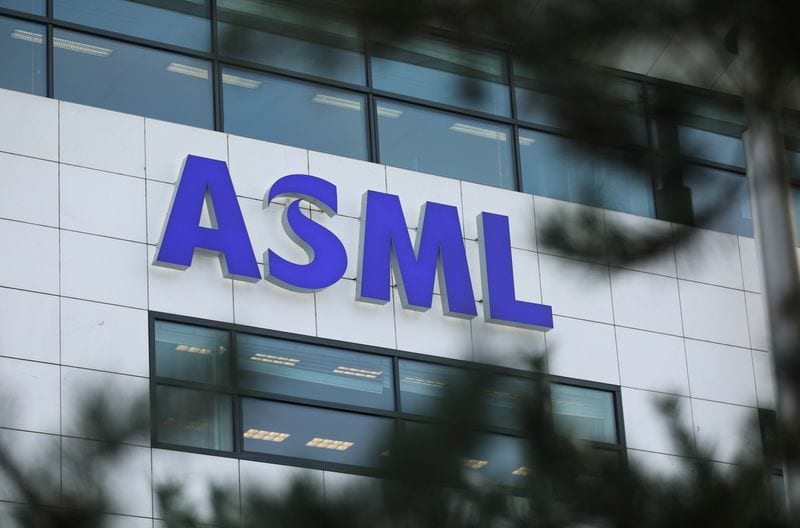
Further vulnerabilities are identified in the EU's heavy reliance on the United States for essential technology, including design software. The report also notes the possibility that the U.S. could block exports from ASML, Europe's most valuable company and a key supplier of chip-making equipment. This dependence on Washington has become a greater concern, particularly under the current U.S. administration, according to co-author Joris Teer.
Adding to these challenges, the report points to ongoing debates in the U.S. Congress regarding a proposed law that would grant Washington unilateral power to impose export controls on allied nations and their companies. High energy prices in Europe, a scarcity of private capital, and a decline in industries that utilize chips have also contributed to undermining the sector's global competitiveness.
In response to these concerns, the European Commission has put forward a proposed Chips Act 2.0. This initiative aims to provide incentives to boost demand for domestically manufactured chips and includes cooperation with allied countries through Washington's "Pax Silica" initiative to secure supply chains. Teer suggests that Europe's most viable strategy involves leveraging its existing strengths, such as ASML's expertise in chipmaking equipment, to enhance its negotiating power.