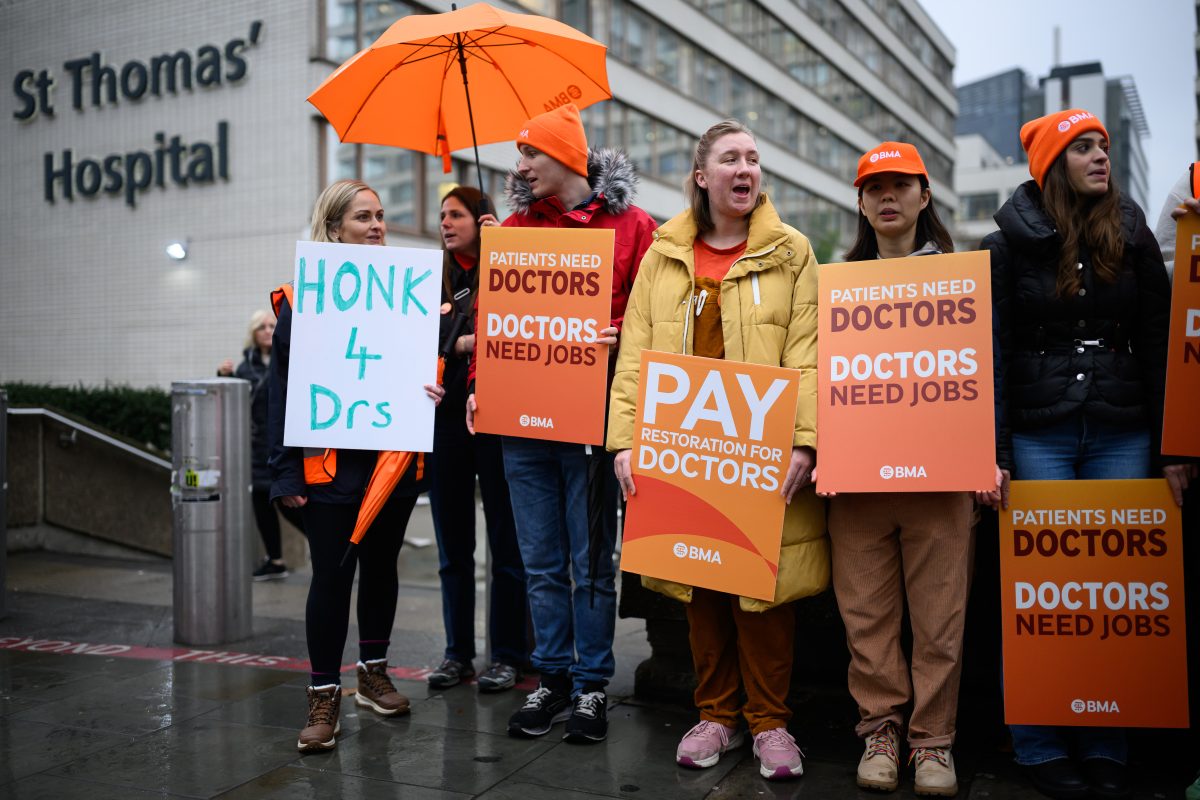
Key facts
- The British Medical Association (BMA) increased its strike fund by £300,000.
- The union's reserve for industrial action now stands at over £1.3 million.
- The BMA reported a loss of £2.4 million after tax in 2025.
- A pay deal for resident doctors was agreed upon in June, increasing average pay by 35.2% over four years.
- The government's projected spending on health and social care for the current year is £225 billion.
The British Medical Association (BMA), representing over 200,000 doctors and students, has bolstered its reserve fund for industrial action by approximately £300,000, bringing the total to over £1.3 million. This strategic financial move comes despite the union reporting a significant loss of £2.4 million after tax in the past year. The union's treasurer, Dr Peter Holden, indicated that contingency plans are in place to support prolonged strikes.
This increased preparedness for industrial action follows a period where the BMA committed around £2.1 million to strike and pay campaigns in 2025. Despite a slight overall membership growth, fewer consultant and resident doctors joined the union last year. Nevertheless, the BMA views industrial action as a crucial and effective tool for achieving positive changes for its members.
In June, the BMA and the government reached a pay agreement for resident doctors, resulting in an average pay increase of approximately 35.2% compared to four years prior. This agreement was reached amidst tight public finances that have led to tax increases totaling about £65 billion over the last two years. The government has allocated substantial funding to health and social care, with projected spending of £225 billion this year, more than double that of education.
Recent reports indicated that the BMA was considering workforce reductions to address its deficit, with suggestions of cutting up to a third of its staff. The union's financial situation and its approach to negotiations have drawn criticism from various figures, including former health secretary Wes Streeting, who described the BMA as 'impossible' in GP negotiations. The organization has also faced scrutiny over its stance on the Cass review and its definition of antisemitism.