Key facts
- Prime Minister Andy Burnham is centralizing economic decision-making at 10 Downing Street, moving power from the Treasury.
- Burnham announced a tax cut on domestic electricity bills, effective October 1, to save households about 45 pounds annually.
- The funding for the tax cut will come from scrapping a digital ID card plan initiated by the previous government.
- Burnham has reshaped his cabinet, removing allies of his predecessor, Keir Starmer.
- John Healey, a former defence secretary who had previously resigned over military spending, was appointed Chancellor of the Exchequer.
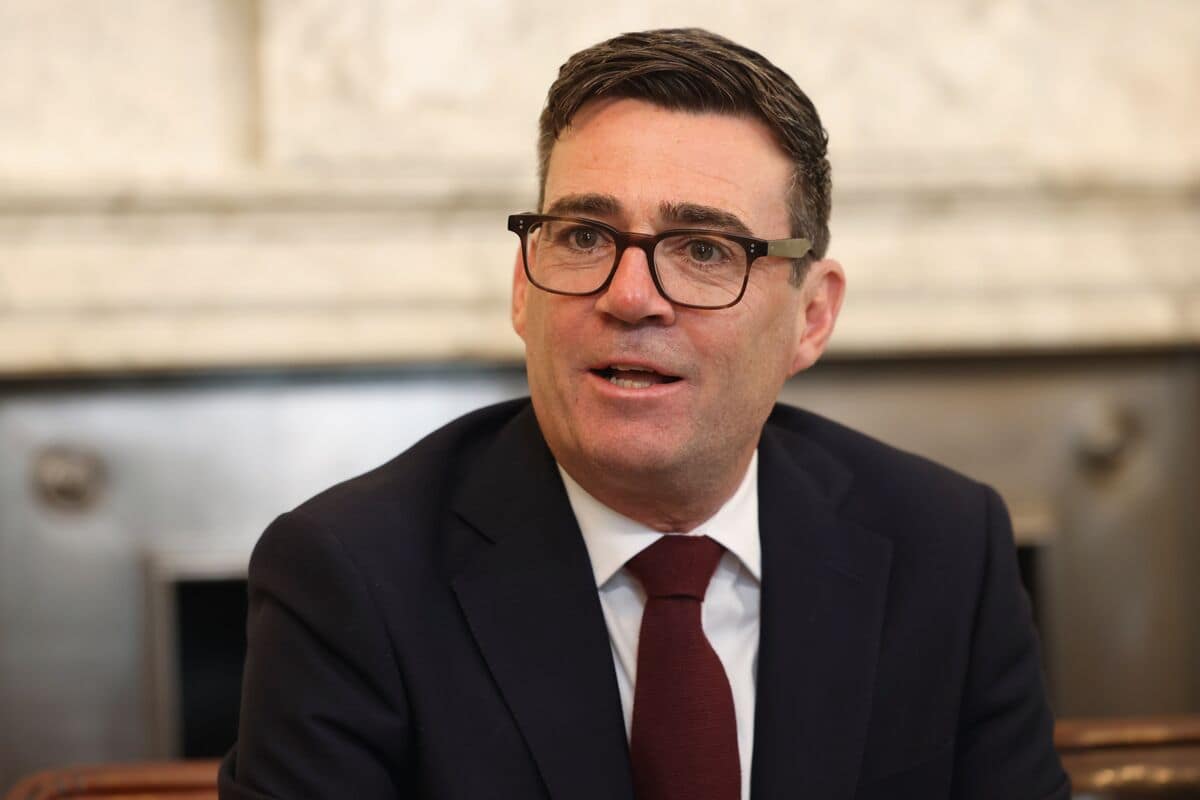
New U.K. Prime Minister Andy Burnham has begun consolidating his authority by asserting control over economic policy and reshuffling his cabinet. In his first week, Burnham has signaled a shift away from the Treasury's traditional dominance, aiming to direct economic strategy from 10 Downing Street.
Burnham's administration has already announced a tax cut on domestic electricity bills, set to take effect on October 1, which is expected to save the average household around 45 pounds per year. This measure is funded by the cancellation of a digital ID card initiative from the previous government. Burnham stated his government would focus on easing the economic burden on citizens, aiming to provide hope and relief.
The new Prime Minister has also undertaken a significant cabinet reshuffle, removing key allies of his predecessor, Keir Starmer. Among the notable appointments is John Healey as Chancellor of the Exchequer, a move described as surprising but strategically significant by some political observers due to Healey's experience and perceived fiscal literacy. Healey had previously resigned as defence secretary, contributing to Starmer's weakening grip on power.
Burnham's agenda includes decentralizing political power, revitalizing industry, and addressing homelessness, ambitious goals given the UK's recent sluggish economic growth. The new government faces the challenge of making difficult financial decisions and prioritizing spending. Amidst these changes, there is speculation in Westminster about the possibility of Burnham calling a snap general election, a move advocated by some, including Nigel Farage, who argues Burnham lacks a direct mandate.