HomeAll NewsEducationTV
Equities & FundsCrypto & Digital AssetsAI & TechnologyBusiness & CorporateUS Politics & PolicyGeopolitics & Global RiskMacro, Rates & FXCommodities & EnergyEuropean Politics & MarketsAsia-PacificReal Estate & Property
Story archiveAll categories
← All Stories

Brazil bans foie gras, sparking French anger

Created at 24 Jul · 4:04 PM1 source↑ Market-relevant
IN SHORT

Brazil's President Luiz Inacio Lula da Silva signed a law banning the production and sale of foie gras, citing animal cruelty. The move effectively ends imports of the French delicacy and has angered France, which views it as a cultural issue and a breach of the EU-Mercosur trade deal.

✉Newsletter

PiQ Daily

Pick your topics. Get only what matters, on your cadence.

Key Numbers

25 yearsnegotiation period for EU-Mercosur trade agreement

Who's Involved

Luiz Inacio Lula da Silva
President of Brazil who signed the foie gras ban into law
France
Country whose diplomats lobbied against the ban
Marina Lacorte
Food systems campaign manager at World Animal Protection
CIFOG
French foie gras industry association that stated the law breaches the EU-Mercosur deal
Brazil bans foie gras, sparking French anger

↳ Why This Matters

The ban highlights a clash between Brazil's animal welfare standards and France's culinary traditions, potentially impacting trade relations and signaling Brazil's stance on agricultural practices within international trade agreements.

Key facts

  • Brazil has banned the production and sale of foie gras.
  • President Luiz Inacio Lula da Silva signed the law citing animal cruelty.
  • France considers foie gras part of its culinary heritage and opposed the ban.
  • The ban effectively ends imports of French foie gras into Brazil.
  • French officials argued the ban breaches the EU-Mercosur trade agreement.

Brazil's President Luiz Inacio Lula da Silva has signed a law prohibiting the production and sale of foie gras, citing concerns over animal cruelty. The decision effectively halts imports of the French delicacy, which France considers a part of its cultural heritage.

French diplomats had previously exerted pressure on Lula to veto the bill, arguing that its production does not involve animal cruelty and is a cultural matter. However, the bill was unanimously approved by Brazil's Congress, leaving little room for a presidential veto.

The French embassy in Brasilia and the France-Brazil Chamber of Commerce declined to comment on the matter. A Brazilian diplomat noted that France is in a weak position to make demands, referencing French obstruction of the EU-Mercosur trade agreement, which was finalized after 25 years of negotiations. France had viewed this deal as an opportunity to increase foie gras exports to Brazil.

Following the congressional approval of the ban, the French foie gras industry association CIFOG stated that the law would violate the EU-Mercosur deal. While a 2022 EU report indicated that foie gras production adhered to animal welfare rules, Brazilian animal rights activists have questioned these findings. Marina Lacorte, food systems campaign manager at World Animal Protection, expressed skepticism about the definition of 'good treatment' in foie gras production, stating that animal welfare organizations see no well-being involved in the practice.
Frequently asked questions

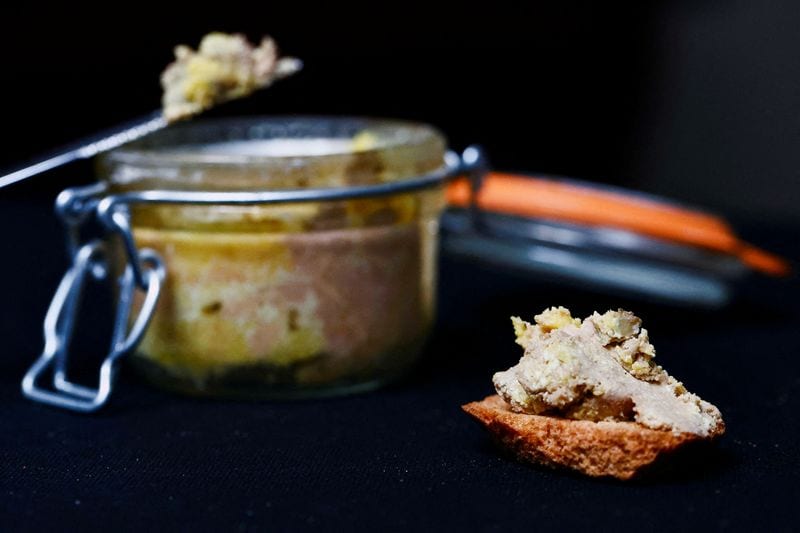
Foie gras is a French delicacy traditionally made from the fattened livers of ducks or geese, often produced through force-feeding.

Brazil banned foie gras production and sales citing concerns over animal cruelty in the force-feeding process.

France views foie gras as part of its culinary heritage and has expressed anger, arguing the ban breaches the EU-Mercosur trade deal.

The EU-Mercosur trade agreement is a trade deal between the European Union and the South American bloc Mercosur, which France had seen as an opportunity to increase foie gras exports to Brazil.

What Happens Next

01France may pursue further diplomatic or trade actions regarding the ban.
02The impact on future EU-Mercosur trade deal implementation will be monitored.

Get the newsletter.

Pick the topics you actually care about. We'll email when there's news worth your time, on the cadence you choose. Cancel any time from your account.

Cadence

How It Developed

Brazil's President Luiz Inacio Lula da Silva signed a law banning foie gras production and sale.
The ban is based on animal cruelty concerns.
France views foie gras as a culinary heritage and lobbied against the ban.
French diplomats cited the EU-Mercosur trade deal as a point of contention.
Animal rights groups in Brazil question the animal welfare standards of foie gras production.
Sponsored

London Quick Take - 22 July - UK inflation softens, oil rises and chips rally ahead of Alphabet, Tesla earnings

SAXO

Sources

T1
Brazil's Lula signs into law foie gras ban, angering FranceReuters

Related Stories

TikTok charged with breaching EU tech rules on online safety for kids
24 Jul · 10:04 AM
Moldova agriculture minister resigns days after appointment
24 Jul · 11:25 AM
EU sanctions against Russia expose internal divisions
24 Jul · 6:06 AM
Italy's far-right general's party gains in polls
24 Jul · 10:58 AM
Merz Reshuffles German Cabinet, Names Warken Chancellery Chief
23 Jul · 5:16 PM