Key facts
- Seoul stocks closed down over 2% on Wednesday.
- Chipmakers weighed heavily on the South Korean market.
- Investors locked in gains after recent AI-driven rallies.
- Uncertainty over U.S.-Iran peace talks impacted sentiment.
Seoul stocks experienced a volatile trading day, opening higher before closing down over 2% on Wednesday. The decline was primarily driven by losses in the technology sector, particularly chipmakers, as investors took profits after recent AI-fueled rallies. Sentiment was further dampened by uncertainty surrounding U.S.-Iran peace talks and a weakening South Korean won. The National Pension Service's portfolio rebalancing also factored into market movements.
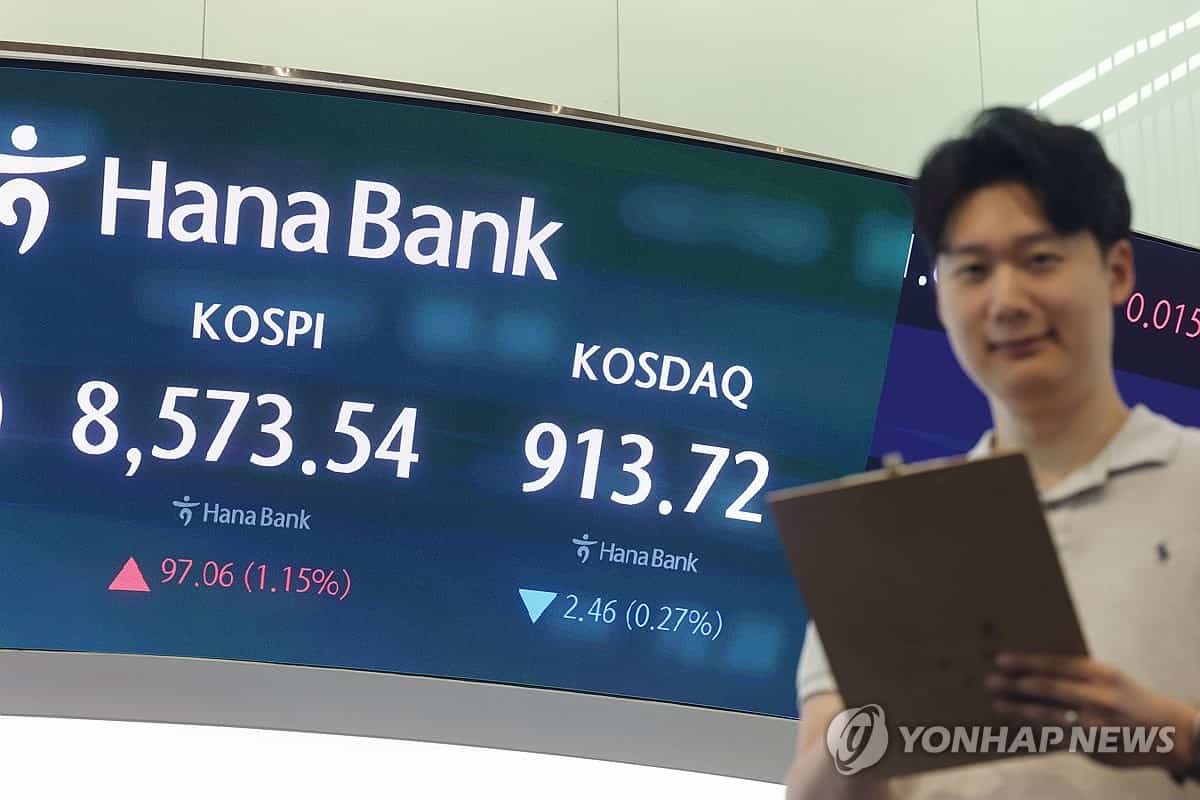
South Korean stocks closed down over 2% on Wednesday, marking a significant reversal after opening higher. The market's decline was largely attributed to a sell-off in the technology sector, with chipmakers being a major drag. Investors sought to lock in gains following recent rallies, which were spurred by advancements in artificial intelligence. Adding to the negative sentiment, uncertainty surrounding ongoing U.S.-Iran peace talks created a cautious atmosphere. A weakening South Korean won also contributed to the downward pressure on the stock market. Market participants were also monitoring the National Pension Service's activities, specifically its stock portfolio rebalancing, which can influence market dynamics.
The day began with Seoul stocks opening on a positive note, buoyed by a continued rally in chip stocks and positive overnight performance on Wall Street. However, this early optimism did not hold as the session progressed. The profit-taking in technology stocks, a key component of the South Korean market, proved to be a dominant force. The broader market sentiment was also affected by geopolitical concerns, with the U.S.-Iran peace talks creating a degree of apprehension among investors. The depreciation of the South Korean won against major currencies further exacerbated concerns about the economic outlook and corporate earnings.
The market's performance reflects a broader trend of investor caution amidst a complex global economic and geopolitical landscape. While AI-driven rallies had previously boosted technology stocks, the realization of profits and the emergence of other risk factors have led to a reassessment of market positions. The influence of institutional investors, such as the National Pension Service, in their portfolio adjustments adds another layer of complexity to short-term market movements.
South Korean stocks closed down over 2% on Wednesday, marking a significant reversal after opening higher. The market's decline was largely attributed to a sell-off in the technology sector, with chipmakers being a major drag. Investors sought to lock in gains following recent rallies, which were spurred by advancements in artificial intelligence. Adding to the negative sentiment, uncertainty surrounding ongoing U.S.-Iran peace talks created a cautious atmosphere. A weakening South Korean won also contributed to the downward pressure on the stock market. Market participants were also monitoring the National Pension Service's activities, specifically its stock portfolio rebalancing, which can influence market dynamics.