Key facts
- Big Tech companies are issuing large amounts of debt to fund AI development.
- This debt issuance is straining investor capacity.
- Concerns exist about portfolio concentration in AI investments.
- Borrowing costs may increase due to this trend.
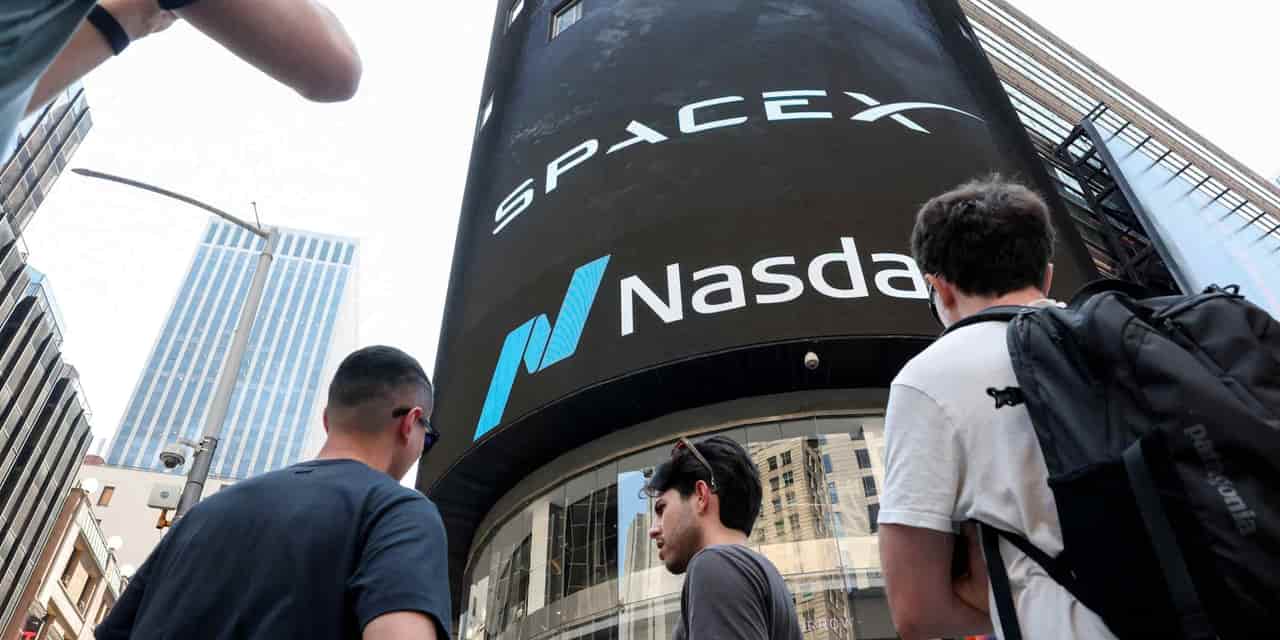
- SpaceX recently sold off post-IPO bonds.
- The SpaceX bond sell-off signals growing investor caution.
Big Tech companies are increasingly relying on debt issuance to finance the substantial costs associated with the artificial intelligence buildout. This surge in debt is reportedly straining investor capacity, leading to concerns about portfolio concentration among those funding these AI initiatives. The situation is further highlighted by SpaceX's recent sell-off of its post-IPO bonds, an event that signals growing caution among investors in the broader market. The heavy reliance on debt by major technology firms suggests that the rapid pace of AI development is creating significant financial pressures, potentially impacting future borrowing costs for these companies and others in the sector.
The AI boom requires immense capital for research, development, and infrastructure, prompting companies to seek funding through various means, including large-scale debt offerings. Investors, while keen to capitalize on AI's potential, are becoming more wary of over-concentration in this sector. The SpaceX bond sell-off serves as a tangible indicator of this shifting sentiment, suggesting that even well-established companies with strong market positions may face challenges in attracting and retaining investor interest for their debt instruments. This caution could translate into higher interest rates for future debt issuances across the tech industry.
The current financial strategy of Big Tech in funding AI development through debt issuance points to a critical juncture. While the demand for AI capabilities continues to grow, the capacity of the market to absorb the associated debt is being tested. This situation may necessitate a re-evaluation of funding strategies and could influence the pace of AI innovation if capital becomes more constrained or expensive.