Key facts
- Big Tech companies are issuing significant amounts of debt to fund AI development.
- Investors are finding it difficult to absorb the large volume of AI-related debt.
- Amazon issued $25 billion in bonds, a deal that occurred before its earnings report.
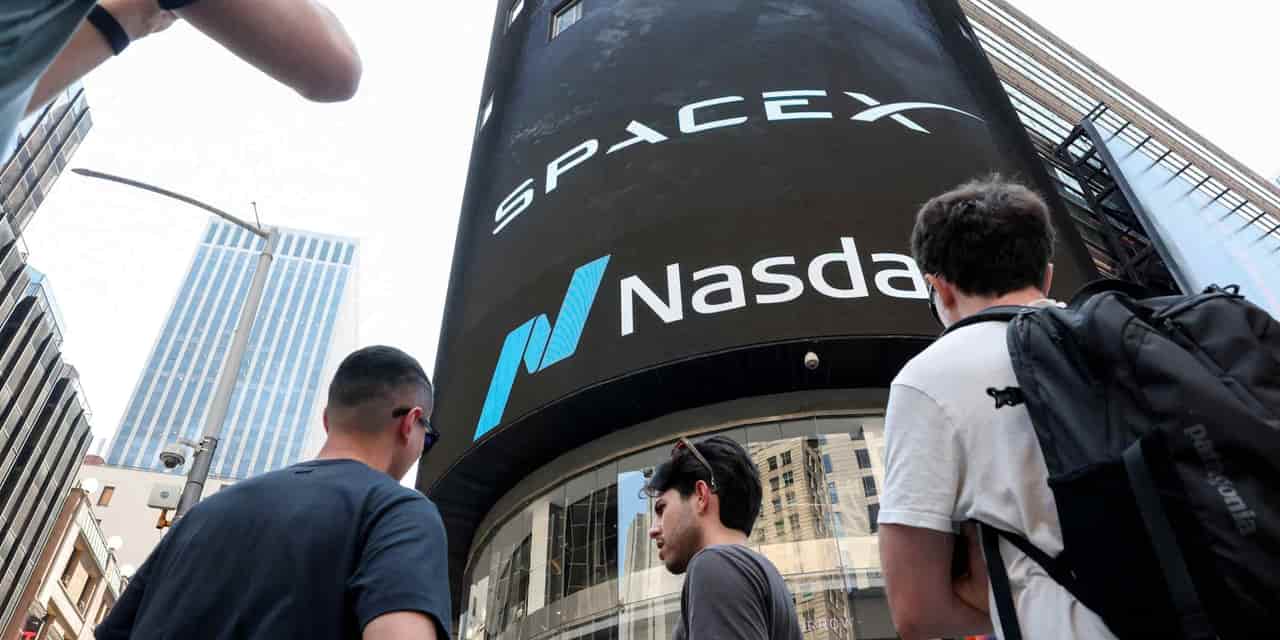
- SpaceX's recent $25 billion bond offering experienced a sharp sell-off post-pricing.
- The deluge of AI debt raises concerns about investors exceeding portfolio concentration limits.
The intense race for artificial intelligence dominance has led major U.S. tech companies, known as hyperscalers, to issue billions of dollars in debt. However, investors are beginning to show signs of strain in digesting this massive volume of new debt, raising concerns about portfolio concentration limits and potentially increasing borrowing costs for these companies.
According to a BofA Global report, hyperscalers are the largest contributors to a 32% increase in U.S. investment-grade corporate bond supply in 2026. Amazon.com has led the charge, issuing $92 billion of bonds across currencies this year, followed by Alphabet, Meta Platforms, and Oracle. The sheer magnitude of this debt issuance is described as a "shock to the system" by Tom Murphy, global head of investment-grade credit at Columbia Threadneedle Investments.
This deluge of debt means investors risk running up against concentration limits in their portfolios, which can create selling pressure when new bond deals are announced. This dynamic was evident in Amazon's recent $25 billion bond deal, which occurred before the company reported its second-quarter earnings. The financing did not proceed without friction, following SpaceX's $25 billion post-IPO bond deal in June, which sold off sharply after pricing.
If this weakness in corporate bonds persists, it could put pressure on the broader U.S. corporate bond market, potentially leading to wider spreads and increased borrowing costs for companies. While most hyperscalers still report robust earnings and maintain high credit ratings, the current market environment suggests that the era of exceptionally low corporate bond spreads may be ending.