Key facts
- Leopold Aschenbrenner, 24, a former OpenAI researcher, saw his hedge fund Situational Awareness collapse.
- The fund reportedly employed four times leverage, borrowing $4 for every $5 invested.
- A sharp downturn in AI stocks triggered margin calls, forcing a sale of most of the firm's portfolio to Citadel.
- Veteran investors and followers of Warren Buffett suggest Aschenbrenner's experience highlights the importance of patience, discipline, and risk management.
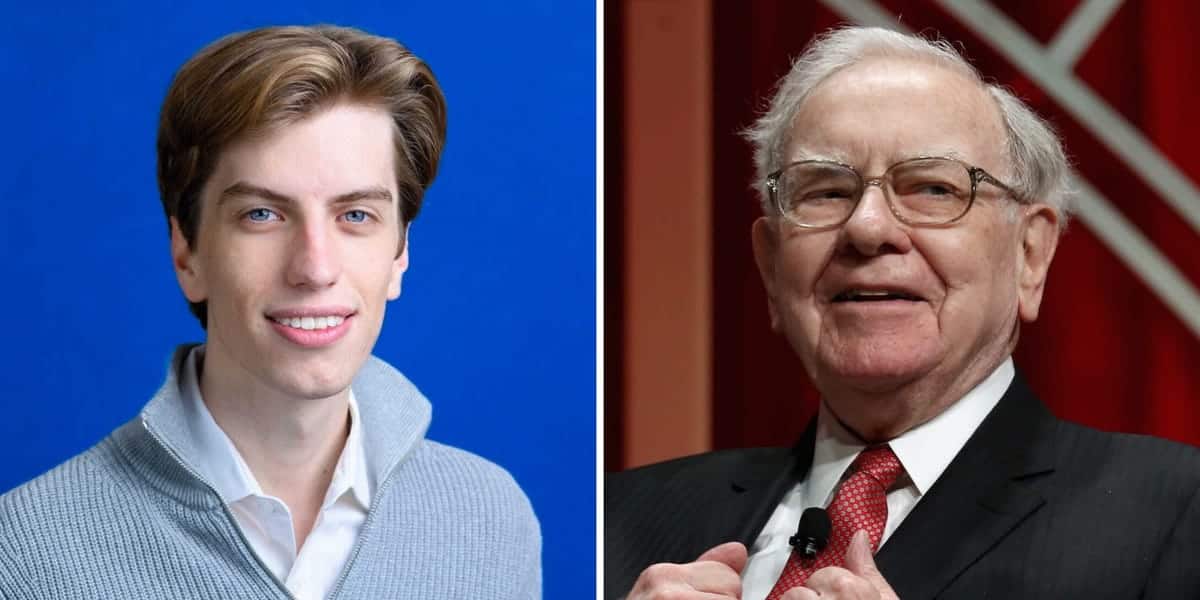
Leopold Aschenbrenner, a 24-year-old former OpenAI researcher and Columbia valedictorian, has seen his hedge fund, Situational Awareness, collapse after building a $45 billion portfolio and achieving a 1,000% gain since its inception. The firm's downfall occurred in late July when a sharp decline in AI stocks triggered margin calls from lenders, forcing a fire sale of most of its publicly traded stock portfolio to Ken Griffin's Citadel.
Close followers of Warren Buffett suggest that Aschenbrenner's experience underscores key tenets of Buffett's enduring investment philosophy. Ross Gerber, CEO of Gerber Kawasaki Wealth and Investment Management, described the situation as a lesson in "hubris, leverage, and insufficient experience," emphasizing that the goal should be building wealth over time rather than rapid accumulation. Michael Burry, known for "The Big Short," echoed this sentiment, noting that many young investors achieve significant gains through leverage and momentum trading but often lack the necessary experience and temperament.
Buffett's approach, characterized by patience and discipline, allowed Berkshire Hathaway to grow its stock price by over 6,000,000% during his six decades as CEO. Paul Lountzis, a longtime Berkshire shareholder, highlighted Buffett's prudence and long-term perspective as crucial factors in avoiding catastrophe. Larry Cunningham, author of "The Essays of Warren Buffett," pointed out that excessive leverage and concentration can lead to devastating losses when investors are wrong, early, or unlucky, contrasting this with Buffett's focus on preserving capital.
Situational Awareness reportedly used four times leverage. Experts like John Longo, a finance professor, noted a lack of risk management controls, while Buffett himself considered risk management his primary responsibility as CEO. Tren Griffin, author of "Charlie Munger: The Complete Investor," suggested that understanding the fraction of capital to wager, potentially using the Kelly criterion, is key to maximizing compounded growth. Despite this setback, Aschenbrenner, still in his early 20s, reportedly holds a $5 billion stake in Anthropic, and his experience may serve as a cautionary tale about pride, impatience, and recklessness in investing.