Key facts
- UK banks' stock prices are facing a political risk premium due to instability in Downing Street.
- Analysts warn that a new political leadership could lead to higher taxes or stalled regulatory reforms for banks.
- Despite positive underlying activity, investor hesitancy persists due to political uncertainty and potential leadership contests.
- UK banks face a significantly higher total tax rate compared to their US counterparts.
- JP Morgan's investment plans in London could be re-evaluated if the UK government adopts a hostile stance towards banks.
UK banks are facing significant investor reluctance due to ongoing political instability and the potential for a change in leadership in Downing Street. Analysts warn that a new political team might view the banking sector as an opportunity for increased taxation and could stall crucial regulatory reforms. This uncertainty is casting a shadow over the sector, despite underlying positive trends in areas like corporate lending.
The FTSE 350 bank index has experienced a volatile year, with financial stocks being impacted by geopolitical events such as the Iran war, which led investors to reduce their equity exposure. While the index has seen an eight percent gain this year, following a substantial 60 percent rally in the previous year, this momentum is now under threat.
Analysts like John Cronin of Seapoint Insights highlight the danger that a new leadership could impose higher taxes on banks or halt regulatory progress. Rachel Reeves, the Chancellor, has made efforts to support the financial services industry through reforms, including a shake-up of the ring-fencing regime, and banks were spared from recent tax increases. However, the government's fiscal pressures and the prospect of a new Prime Minister could place the sector in a vulnerable position.
William Howlett, an equity analyst at Quilter Cheviot, noted that the 'marginal buyer' might be hesitant to invest further in UK domestic banks given the heightened political uncertainty and the possibility of a leadership contest. Individual bank performances vary, with Lloyds showing a modest gain year-to-date after recovering from earlier sell-offs, while Barclays is broadly flat and Natwest has seen a decline.
Banks were among the equities trimmed by investors concerned about the impact of the Middle East crisis. Although a peace deal has provided some relief, domestic political challenges remain. The sector's sensitivity to domestic policy was evident last year when bank share prices experienced significant fluctuations amid discussions and lobbying for tax hikes.
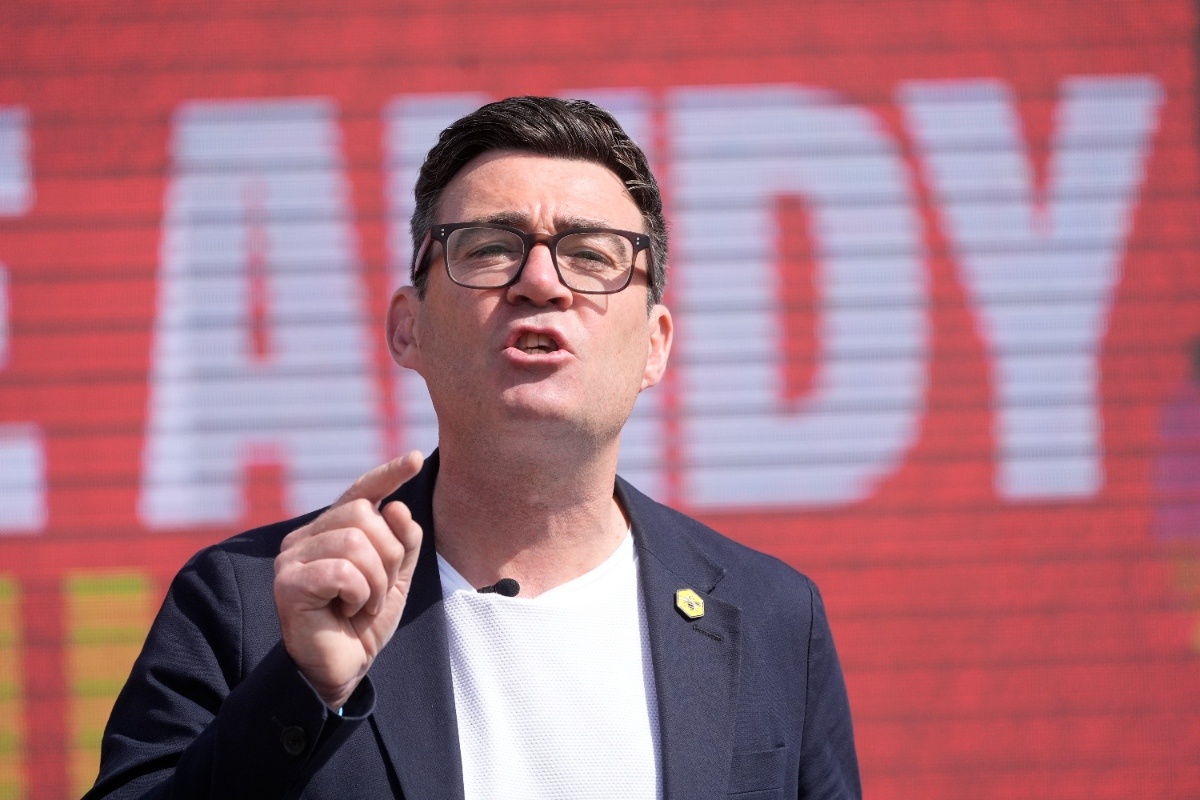
The participation of Andy Burnham in the Makerfield by-election has also drawn attention, with expectations that a win could fuel his bid for the premiership. Chris Beauchamp of IG suggests that banks could become a central focus if Burnham is successful, though he acknowledges the financial realities of the UK may temper such possibilities. Reports indicate Louise Haigh, a key figure in Burnham's campaign, chairs a group advocating for less fiscal caution and wealth taxes, which Beauchamp believes would not be well-received by bond markets.
Despite initial jitters in gilt yields following Burnham's by-election involvement, reports suggest he would adhere to the government's fiscal rules if he became leader. This aligns with his previous calls for 'business friendly socialism'.
Investor hesitation is occurring despite encouraging trends in underlying banking activity, particularly in corporate lending. UK Finance reported a 16 percent year-on-year increase in lending to small and medium-sized businesses in the first quarter of 2026, reaching a post-pandemic high. However, banks are also perceived as potential targets for tax increases, especially after upgrading their income forecasts due to sustained high interest rates. Lloyds, for instance, anticipates net interest income to exceed its previous estimate of £14.9 billion, projecting the first interest rate cut in 2027.
Banks have been vocal about the disproportionately high tax burden they face in the UK, which includes a sector-specific levy and surcharge on top of other business taxes. A study by UK Finance and PwC revealed that London lenders' total tax rate rose to 46.4 percent in 2025, significantly higher than the 27.9 percent in New York. Ana Botín, CEO of Santander, criticized the UK's tax regime, questioning why banks are singled out for additional taxes. Jamie Dimon of JP Morgan indicated that the bank's substantial investment plans in Canary Wharf could be reviewed if the UK becomes hostile to banks again, despite the project's projected economic benefits.