All NewsEducationTV
Equities & FundsCrypto & Digital AssetsAI & TechnologyBusiness & CorporateUS Politics & PolicyGeopolitics & Global RiskMacro, Rates & FXCommodities & EnergyEuropean Politics & MarketsAsia-PacificReal Estate & Property
Story archiveAll categories
← All Stories

Russell Investments CIO on evaluating funds during market downturns

Created at 1 Aug · 10:47 AM1 source↑ Market-relevant
IN SHORT

Kate El-Hillow, chief investment officer at Russell Investments, shared insights on how institutional investors assess funds experiencing significant losses. She emphasized distinguishing between bad investments and bad decisions, and the importance of understanding fund managers' risk-taking and communication transparency.

✉Newsletter

PiQ Daily

Pick your topics. Get only what matters, on your cadence.

Key Numbers

$418 billionRussell Investments' assets under management

Who's Involved

Kate El-Hillow
Chief Investment Officer and President of Russell Investments
Russell Investments
Asset manager with $418 billion in assets
Leopold Aschenbrenner
Associated with Situational Awareness fund's forced equity sale
Citadel
Acquired majority of Situational Awareness's equity positions
Melvin Capital
Hedge fund that shuttered in 2022 after heavy losses
Gabe Plotkin
Founder of Melvin Capital
Russell Investments CIO on evaluating funds during market downturns

↳ Why This Matters

Understanding how to evaluate distressed funds is crucial for institutional investors to manage risk, protect capital, and maintain trust with their own stakeholders. It highlights the importance of due diligence beyond just performance metrics, focusing on strategy adherence, risk management, and transparency.

Key facts

  • Kate El-Hillow, CIO of Russell Investments, outlined criteria for evaluating underperforming funds.
  • She stressed the need to differentiate between a manager making a bad investment versus a bad decision.
  • El-Hillow emphasized that fund managers must remain true to their core strategies.
  • The size of a fund's position and appropriate sizing are crucial for weathering market volatility.
  • Transparency and clear communication from managers during choppy performance periods are paramount.
  • Russell Investments utilizes separately managed accounts to gain real-time insight into fund holdings and exposures.

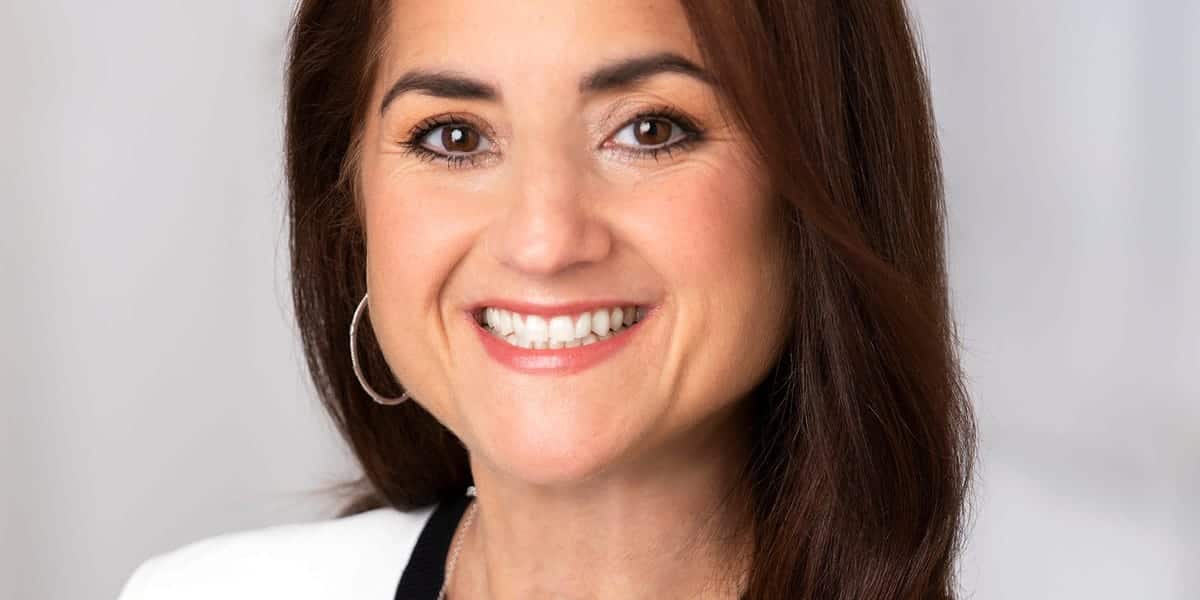
Kate El-Hillow, chief investment officer and president of Russell Investments, has detailed how institutional investors should evaluate funds that are experiencing significant downturns. Russell Investments manages $418 billion and also invests in other fund managers.

El-Hillow emphasized that not all fund meltdowns are equal, and the key is to discern whether a manager made a bad investment or a bad decision. She stated that it is crucial for investors to ensure that the managers they hire remain true to the strategies for which they were initially selected.

Understanding the exposures, leverage, and risks associated with individual investments is vital for protecting the broader portfolio. El-Hillow noted that a significant loss does not automatically lead to redemption but can serve as a wake-up call for funds that rely solely on good ideas to succeed. Structuring and risk management are equally important considerations for Russell Investments.

She explained that while conviction in a particular stockpicker is important, the way a strategy is executed and its inherent riskiness must be managed. Appropriately sizing positions allows investors to remain invested during difficult periods. Issues arise when funds trade irrationally due to market volatility, and how managers navigate these situations is telling to allocators.

El-Hillow also pointed to the importance of understanding founders' incentives, particularly how hedge funds earn performance fees above a high-water mark. She questioned whether managers take the right kind of risks or outsize risks to recover from losses. Monitoring staff turnover following significant drawdowns is another data point for allocators.

Communication and transparency are paramount. Russell Investments often partners with hedge funds through separately managed accounts, providing real-time visibility into holdings and exposures. El-Hillow stressed the need for clear and prompt communication regarding performance, tweaks to investment theses, and the rationale behind managers' actions.

Frequently asked questions

The primary focus is to determine whether the losses stem from a bad investment or a bad decision by the manager, and to ensure the manager stays true to their stated strategy.

Russell Investments often uses separately managed accounts, which allow them to see fund holdings and exposures in real time.

Hedge fund managers often only earn performance fees above a high-water mark, which can incentivize them to take on more risk to recover losses and generate lucrative fees.

What Happens Next

01Russell Investments will continue to monitor fund manager performance and risk exposures.
02Institutional investors will likely refine their due diligence processes for evaluating underperforming funds.

Get the newsletter.

Pick the topics you actually care about. We'll email when there's news worth your time, on the cadence you choose. Cancel any time from your account.

Cadence
CME Headlines
  • How Layered Student Support Compounds Into Career Outcomes
    31 Jul · 8:55 PM
  • E-mini S&P 500 futures hit new weekly highs post-FOMC.
    31 Jul · 8:40 PM
  • E-mini S&P 500 futures hit new weekly highs post-FOMC.
    31 Jul · 8:40 PM

How It Developed

Kate El-Hillow, chief investment officer of Russell Investments, discussed how to evaluate funds experiencing significant losses.
El-Hillow stated that institutional investors must determine if a fund's downturn stems from a bad investment or a poor decision.
She highlighted the importance of ensuring fund managers adhere to their stated investment strategies.
El-Hillow noted that a significant loss is not an automatic trigger for redemption but can serve as a warning.
She explained that fund managers' risk-taking, especially when trying to recover from losses, is a key consideration.
El-Hillow mentioned that monitoring staff turnover after substantial drawdowns is another factor for allocators.
She stressed the critical role of communication and transparency from fund managers.
Russell Investments often partners with hedge funds via separately managed accounts for real-time exposure visibility.

Sources

T1
The head of a $418 billion asset manager details how to evaluate funds when they’re blowing upBusiness Insider

Related Stories

Hedge fund manager Leopold Aschenbrenner apologizes to investors after 67% July loss
31 Jul · 7:31 PM
Citadel's Griffin buys distressed AI stock portfolio from Situational Awareness
1 Aug · 12:02 AM
Index Ventures raises $2B across three funds
31 Jul · 8:10 PM
SpaceX IPO Investor Questions Span Pink Rockets to AI Data Centers
1 Aug · 10:09 AM
FIFA Scraps Private Investment Plan After Widespread Backlash
1 Aug · 6:25 AM