Key facts
- PepsiCo's North American food business sales declined 2% in the second quarter.
- Volume in the North American food segment was flat, contrasting with a 2% growth in the first quarter.
- Beverage volume in North America fell 4% in the latest quarter.
- Approximately 21% of U.S. households are using GLP-1 weight-loss drugs.
- Consumers are shifting towards foods with higher protein, lower sugar, and added fiber.
- PepsiCo's food brands account for about 58% of its annual revenue.
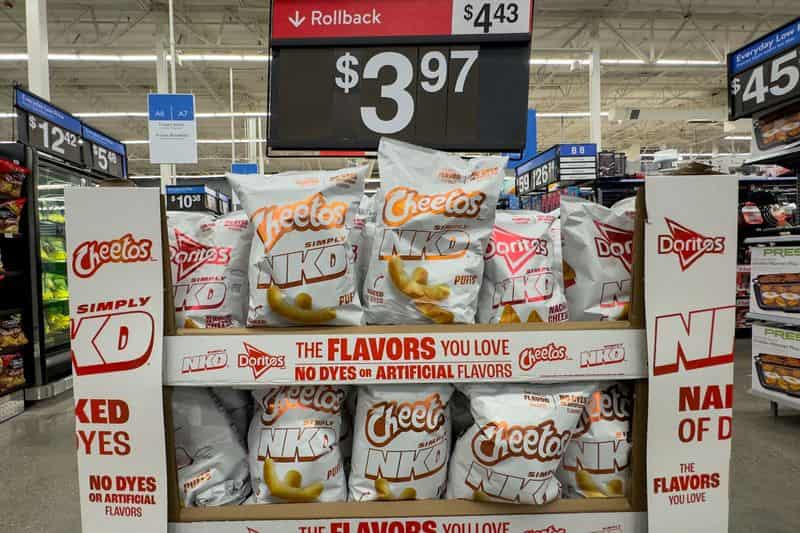
PepsiCo's efforts to revitalize its North American business are encountering headwinds as American consumers increasingly rethink their snacking habits, driven by the adoption of weight-loss drugs, rising living costs, and a broader move towards healthier eating. In the second quarter, sales in the company's North American food division fell 2%, with volumes remaining flat, a stark contrast to the modest recovery seen earlier in the year. This marks a reversal from the first quarter, where volumes had improved to around 2%.
The shift in consumer preference towards healthier options, such as higher protein and lower sugar products, is impacting PepsiCo's snack-heavy portfolio, which generates about 58% of its annual revenue. The increasing use of GLP-1 drugs, now in 21% of U.S. households, has led consumers to cut back on sweet and salty treats. Analysts suggest that a turnaround for PepsiCo hinges on its ability to adapt to this demand for functional products, beyond just affordability.
The company's beverage volume in North America also declined by 4% in the latest quarter, further highlighting the challenges when compared to Coca-Cola, which reported 4% growth in the region. This performance disparity has contributed to Coca-Cola's stock rising over 20% year-to-date, while PepsiCo's has fallen around 4%. The results are likely to attract further attention from activist investor Elliott Investment Management, which has previously urged PepsiCo to invigorate its soda business and explore divesting non-core assets.