Key facts
- SK Hynix's US ADRs fell 9% on Monday, closing below their debut price.
- SpaceX shares are trading just above their offering price, significantly down from their post-IPO peak.
- Cerebras has seen its stock price drop by nearly 50% since its initial surge.
- CoreWeave's stock is currently 55% below its all-time high.
- Investor concerns about sustained chip demand are impacting AI-related stocks.
The initial excitement surrounding recent high-profile initial public offerings (IPOs) in the AI sector appears to be waning, with several prominent companies experiencing significant stock price declines after their market debuts. Investors are reportedly growing cautious about the sustainability of demand for chips and AI infrastructure, particularly as a critical earnings season approaches.
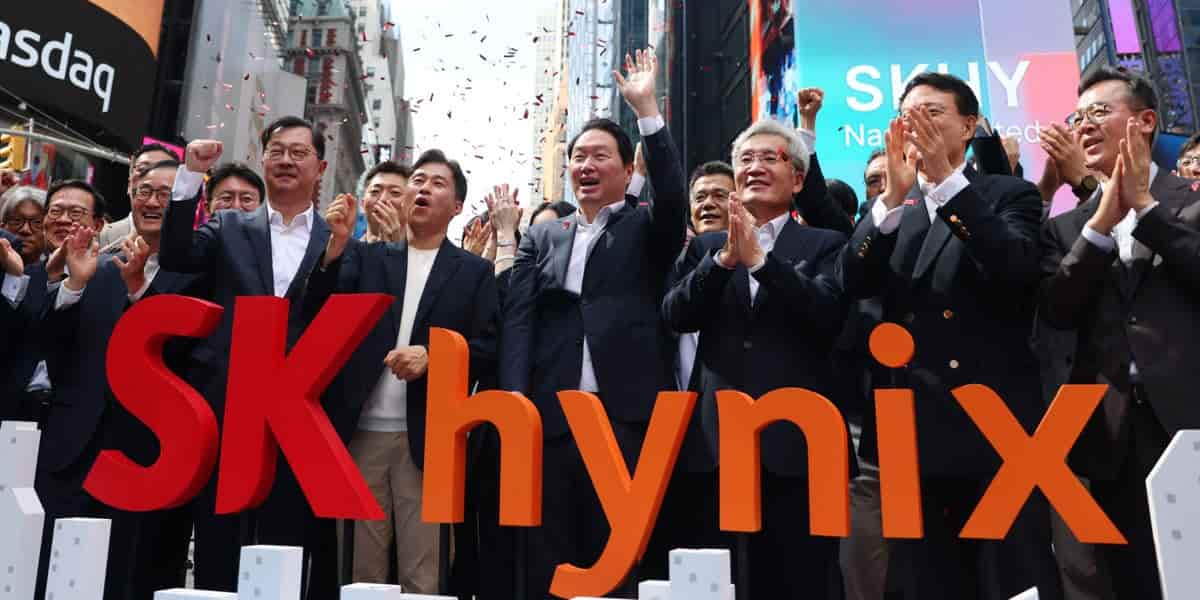
SK Hynix, a South Korean chipmaker, saw its US-listed ADRs drop 9% on Monday, closing below their debut price. This followed a record 15% plunge in its Korean-listed shares, fueled by investor worries about future chip demand. Despite a slight rise on Tuesday, the sentiment remains cautious.
SpaceX, which had the largest IPO in history, experienced a brief period of excitement with shares peaking 58% above their offer price. However, the stock has since settled, trading near its offering price and below its first-day debut, indicating that early investors and insiders are in the green while many retail investors may not be.
Cerebras, an AI infrastructure and data center company, also saw its momentum falter. After surging as much as 109% on its first day, its shares have fallen nearly 50% since then. Similar to SpaceX, its stock is now in a position where early investors are likely profitable, but those who bought in later may not be.
Data-center builder CoreWeave, after an initially muted IPO reaction in March 2025, saw its shares surge nearly 400% from its offer price by mid-June, driven by excitement around AI infrastructure buildouts. However, the company has since lost substantial market value, with shares currently sitting 55% below their all-time highs. This situation highlights how even highly sought-after offerings can lose their luster over time, and the importance of timing for early investors.