Key facts
- Micron Technology has achieved a market capitalization exceeding $1 trillion.
- The surge is attributed to a global shortage of AI-grade memory chips, particularly high bandwidth memory (HBM).
- Micron's revenue nearly tripled in the second quarter of fiscal year 2026.
- The company's HBM3E stacks are being supplied for Nvidia's Blackwell platforms.
- Analysts predict significant increases in DRAM and NAND contract pricing for 2026.
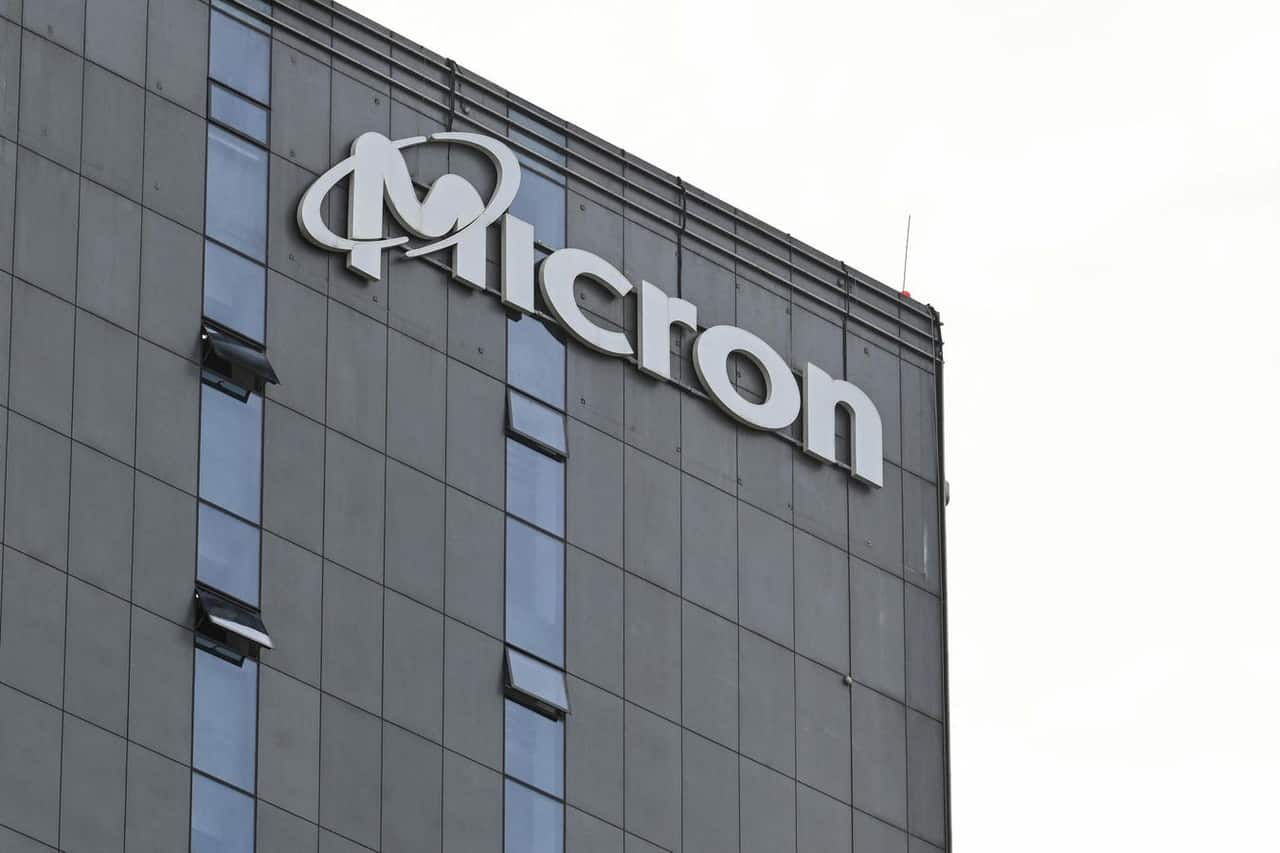
Micron Technology has achieved a significant milestone, crossing the $1 trillion market capitalization threshold for the first time. This surge is primarily driven by a global shortage of AI-grade memory chips, particularly high bandwidth memory (HBM), which has pushed prices to record levels and tripled the company's revenue.
The company's high bandwidth memory (HBM) products, including its 12-high HBM3E stacks, are crucial for feeding data to AI accelerators like Nvidia's GPUs. Micron began shipping these advanced chips in February 2024 and has secured partnerships with Nvidia for its Blackwell platforms.
Micron's second-quarter fiscal year 2026 earnings report showcased this demand, with revenue nearly tripling to $23.86 billion, significantly exceeding analyst expectations. Earnings per share also surpassed views, and the company provided strong third-quarter guidance.
Analysts anticipate continued price increases for DRAM and NAND memory chips in 2026, with some predicting substantial gains. The overall HBM market is projected for robust growth, expanding from an estimated $35 billion in 2025 to $100 billion by 2028.
Despite the stock's rapid ascent, some analysts believe there is still upside potential, with one UBS analyst tripling their price target to $1,625, implying a 69% increase. This optimism is based on potential long-term chip manufacturing contracts and Micron's relatively low valuation compared to other AI-driven chipmakers.