Key facts
- US EV sales declined 27% in the first quarter of 2026.
- Several EV models, including the Ford F-150 Lightning and Nissan Ariya, were discontinued by the end of 2025.
- Hyundai has discontinued the standard Ioniq 6 and paused imports of the 2026 Kona Electric in the US.
- Kia's Niro EV is reportedly being discontinued in the US.
- Automakers are shifting focus to next-generation EV models that are cheaper, have longer ranges, and charge faster.
American electric vehicle sales are facing significant headwinds, leading automakers to axe or postpone several models. Since the expiration of the federal $7,500 tax credit for US-made EVs in September 2025, consumer interest has waned, resulting in a 27% drop in deliveries in the first quarter of 2026, following a 46% decline in the previous quarter.
This slowdown has prompted manufacturers to reshape their offerings. By the end of 2025, Ford ceased production of the F-150 Lightning, Nissan discontinued the Ariya, Acura stopped building the ZDX, and Volkswagen paused the ID. Buzz until 2027. These changes continue into 2026.
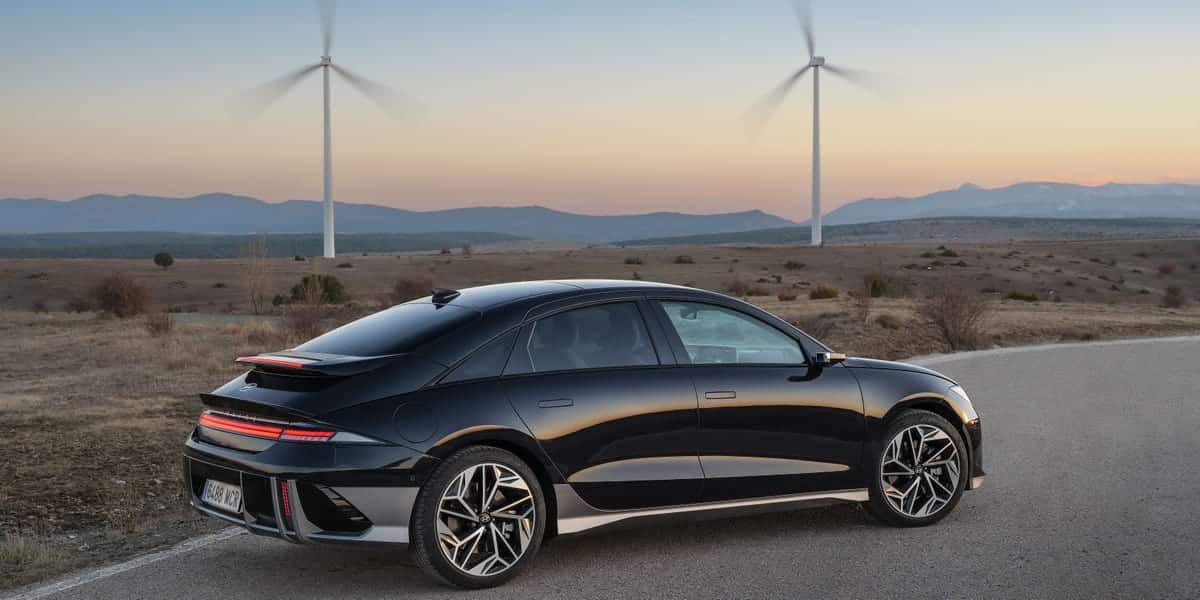
Hyundai has confirmed it will stop selling the standard Ioniq 6 model in the US, citing declining sedan sales and insufficient volume to justify US production. The automaker sold only 229 Ioniq 6 units in February. In contrast, its Ioniq 5 sibling has seen strong sales, with 5,002 units delivered in May, a 16% increase year-over-year. Hyundai plans to import a limited number of high-performance Ioniq 6 N models.
Furthermore, Hyundai has paused imports for the 2026 Kona Electric, one of its first mass-market EVs, with a potential return for the 2027 model year. The 2025 models remain available. Similarly, Kia's Niro EV is reportedly on the chopping block, though its hybrid variant will continue to be offered.
Despite these cancellations and pauses, the brands involved generally have next-generation EV models in development, aiming for lower costs, extended range, and faster charging capabilities.