Key facts
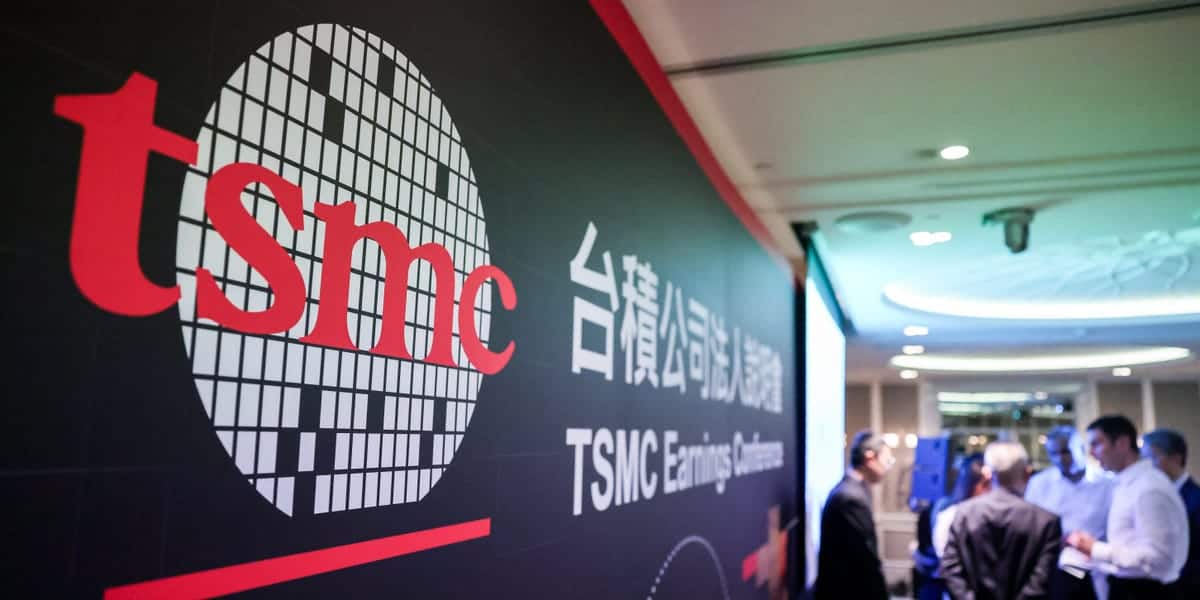
- TSMC's US-listed ADRs fell 6% after the company announced increased AI spending.
- Samsung reported record profits and a strong growth forecast but its stock declined.
- The Philadelphia Semiconductor Index (SOX) and Roundhill Memory ETF (DRAM) have underperformed since late June.
- Hyperscale companies like Meta and Microsoft have seen gains in the same period.
- Investors are showing increased sensitivity to spending increases as valuations become stretched, particularly in the memory chip sector.
Investors are increasingly punishing AI-linked companies for their substantial spending plans, even when they deliver strong earnings results. This trend has recently impacted major chipmakers, with TSMC's US-listed ADRs dropping 6% after the company raised its AI spending forecast. Similarly, Samsung reported record profits and a robust growth outlook but still saw its stock decline, as traders focused on the company's expenditure.
The market's current focus on spending over earnings has led to a notable underperformance in semiconductor stocks. The Philadelphia Semiconductor Index (SOX) and the Roundhill Memory ETF (DRAM) have experienced significant slides since June 22. This contrasts with the performance of the Magnificent 7, which includes major hyperscalers like Meta and Microsoft, who have seen substantial gains in the same period.
This shift suggests a rotation in the market, moving away from chipmakers and back towards hyperscalers, particularly as valuations in the chip sector, especially memory, become stretched. The upcoming second-quarter earnings season for chipmakers and broader tech companies, running through late July and early August, will be crucial in determining the next phase of market dynamics. Investors will be closely scrutinizing spending plans, with high expenditure potentially leading to further stock declines.