Key facts
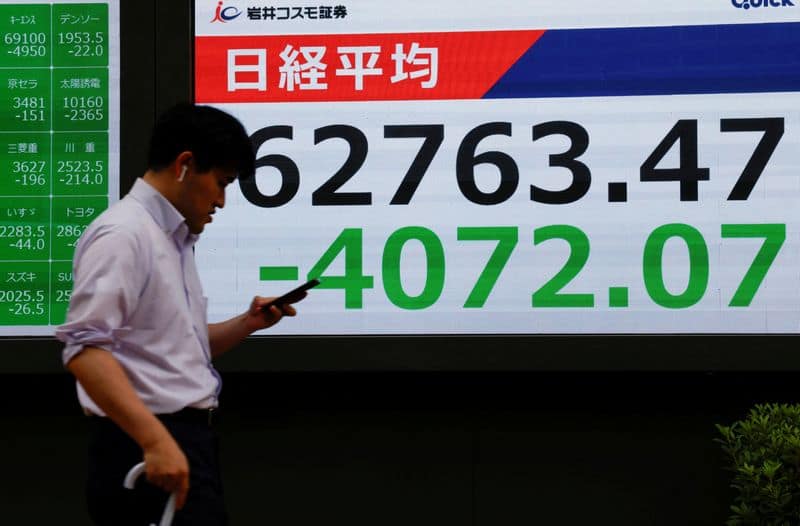
- Asian markets experienced a significant selloff, with Japan's Nikkei 225 entering correction territory.
- The decline was attributed to a global rout in technology stocks, particularly AI-related companies.
- Analysts expressed concerns about the sustainability of tech valuations and earnings growth.
- Profit-taking and the unwinding of leveraged positions were cited as key drivers of the selloff.
- The poor performance of the SpaceX IPO and hawkish comments from the Fed were seen as potential triggers.
Asian markets experienced a significant downturn on Friday, with major equity benchmarks in Japan and Taiwan falling as much as 6%. The Nikkei 225 in Japan confirmed it had entered correction territory, marking a decline of over 10% from its all-time high close on June 25.
Analysts attributed the sharp selloff to a global rout in technology stocks, particularly those associated with artificial intelligence. Concerns over the sustainability of high valuations, the potential for an AI investment bubble, and the impact of leveraged positions being unwound were frequently cited.
The poor performance of the SpaceX IPO was mentioned as a factor increasing investor nervousness. Some analysts suggested that hawkish commentary from the Federal Reserve may have acted as a trigger for the cascading selloff, leading to profit-taking in high-profile tech names like SK Hynix and Samsung, which then spread across the broader market.
While some believe the selloff is largely technical, an adjustment of crowded positions, others pointed to the reality of rising yields and the need for companies to demonstrate achievable growth while maintaining healthy balance sheets. The market is beginning to discount a normalisation in earnings growth expectations for AI beneficiaries, shifting focus towards more sustainable growth trajectories.
Despite the broad decline, some analysts noted a lack of panic, with investors still buying gold and silver, though these have been losing trades. The outlook for memory makers' demand was questioned, with potential for customers ordering ahead of price increases. Upcoming earnings from memory users like Alphabet could influence a potential rebound.