Key facts
- Tether is expanding its tokenization business into Saudi Arabia.
- The company's Hadron platform will be used to tokenize institutional real estate assets.
Tether is expanding its real-world asset tokenization efforts into Saudi Arabia, partnering with local firms to bring institutional real estate assets on-chain. The initiative aims to leverage blockchain technology for financial modernization under Saudi Arabia's Vision 2030 program.
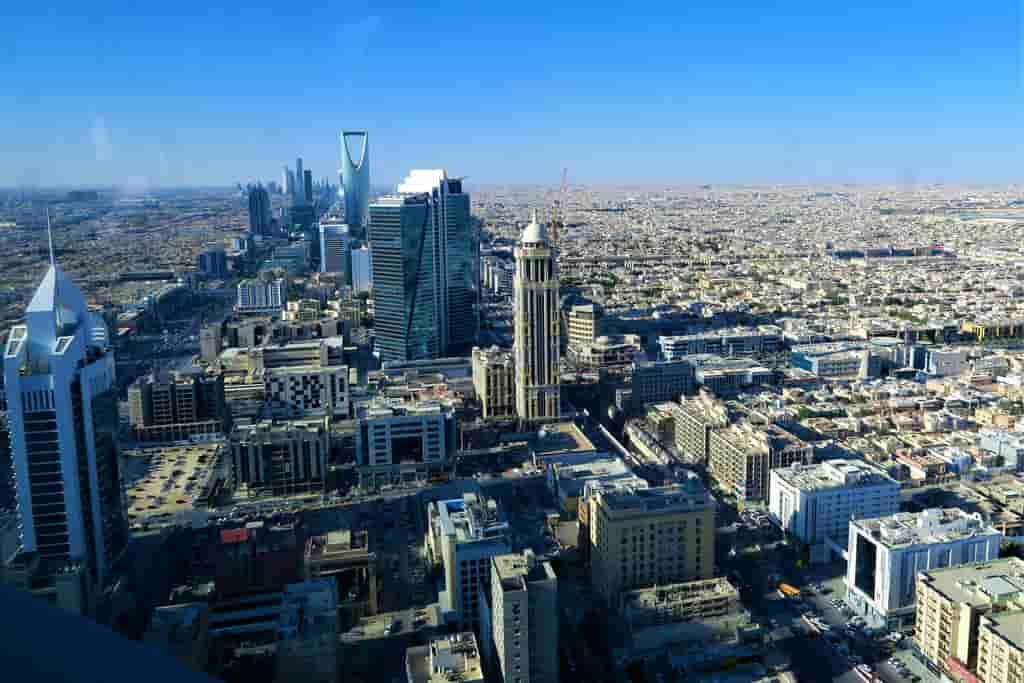
Tether's expansion into Saudi Arabia signifies a significant step in the global adoption of blockchain for real-world asset tokenization, particularly in a region actively pursuing financial modernization under its Vision 2030 plan. This move could unlock new investment opportunities in institutional real estate and potentially other sectors.
Tether, known for its USDT stablecoin, is extending its focus on tokenizing real-world assets by entering the Saudi Arabian market, specifically targeting institutional real estate. The company's Hadron platform will provide the technological infrastructure for issuing and managing these tokenized assets.
Tether is collaborating with Saudi entities First Data, which will serve as the issuer and market operator, and BKN301, a fintech firm responsible for integrating banking and compliance systems. This strategic move aims to capitalize on Saudi Arabia's Vision 2030 initiative, which promotes financial modernization and the adoption of blockchain technology across various sectors.
The partnership signals a broader trend of banks and asset managers utilizing tokenization to enhance settlement processes, expand investor access, and improve capital efficiency for traditional assets. Citi projects the tokenized securities market could reach $5.5 trillion by 2030. Tether's previous ventures include launching Hadron in 2024 and managing the $2.6 billion XAUT tokenized gold offering.
CEO Paolo Ardoino highlighted Saudi Arabia's suitability for demonstrating the impact of platforms like Hadron, aligning with the kingdom's goals for economic diversification. The firms involved indicated that the operating model could potentially expand beyond real estate to encompass other real-world assets such as energy and infrastructure finance in the future.