Key facts
- Arthur Hayes sold his entire Zcash (ZEC) holdings.
- The sale was prompted by a critical vulnerability in Zcash's Orchard privacy pool.
- Hayes stated the vulnerability could have allowed for undetectable creation of counterfeit ZEC.
- Zcash developers confirmed the vulnerability was patched via an emergency hard fork (NU6.2).
- No user funds were stolen or compromised.
- ZEC price fell over 45% in 24 hours following the news.
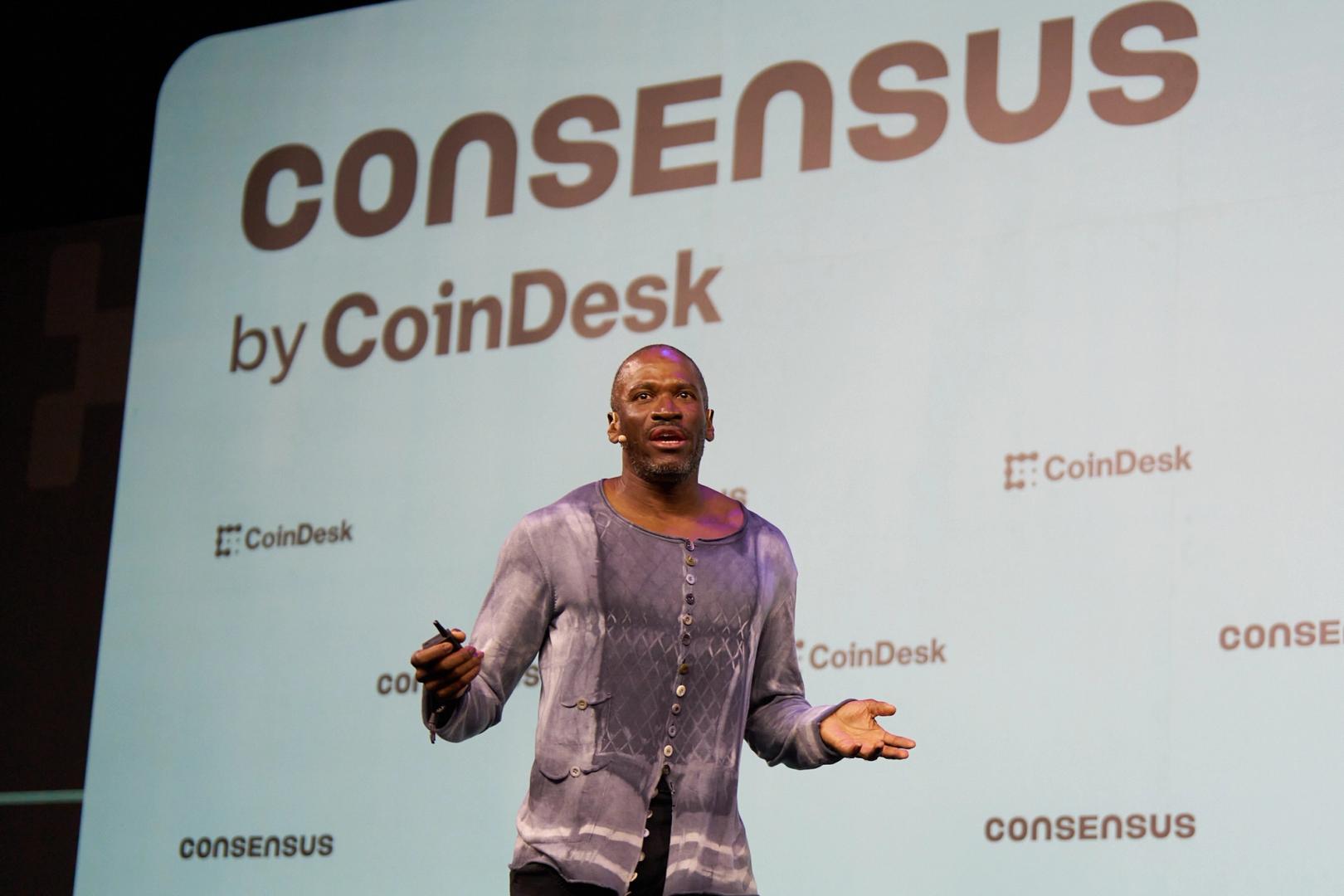
Arthur Hayes, co-founder of BitMEX, announced via X that his fund has sold its entire position in Zcash (ZEC). This decision was prompted by disclosures of a critical vulnerability in Zcash's Orchard privacy pool, discovered on May 29 and remediated by June 2. The vulnerability, termed 'The Orchard Counterfeiting Vulnerability,' could have allowed for the undetectable creation of unlimited counterfeit ZEC. While Zcash developers emphasized that there is no evidence of exploitation and user funds remain safe, the inability to cryptographically prove that counterfeiting never occurred led Hayes to exit his position. He stated, 'The privacy from AI, govt, big tech narrative demands perfection not improbability.' This sale marks the end of his 'Holy Trinity' trade, which previously included HYPE and NEAR, though Hayes confirmed he still holds Worldcoin (WLD) as his AI-linked investment. The ZEC price fell over 45% in 24 hours following the news and Hayes' announcement. The Electric Coin Company successfully deployed an emergency network upgrade via the NU6.2 hard fork on June 3, 2026, to fix the pool, and the ZEC token has since recovered, settling around $612 with a 9.5% weekly gain. Hayes said he would reconsider his stance if his assumptions that an exploit is still possible prove to be incorrect.