HomeEverythingEducation
Equities & FundsCrypto & Digital AssetsAI & TechnologyBusiness & CorporateUS Politics & PolicyGeopolitics & Global RiskMacro, Rates & FXCommodities & EnergyEuropean Politics & MarketsAsia-PacificReal Estate & Property
← All Stories

Banks Shift Focus to Stablecoin Integration, Not Just Inclusion

Created at 5 Jul · 2:05 PM1 source↑ Market-relevant
IN SHORT

Global banks like Standard Chartered and BNY are increasingly integrating Circle's USDC stablecoin, moving beyond the debate of whether to use them to how to best implement them. The focus is on leveraging the surrounding networks and infrastructure for payments and settlements.

✉Newsletter

PiQ Daily

Pick your topics. Get only what matters, on your cadence.

Key Numbers

$59 trillionBNY Mellon assets under management
99%Dollar-backed tokens in stablecoin market cap
37European financial institutions in Qivalis consortium

Who's Involved

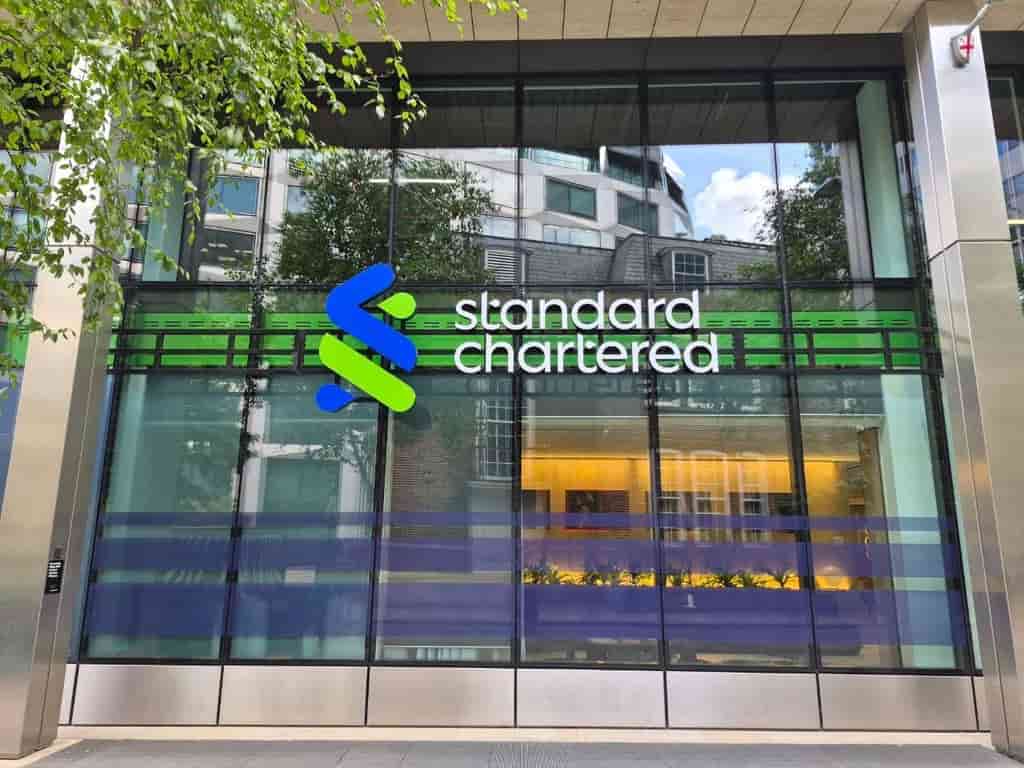
Standard Chartered
Global bank offering USDC minting and redemption
BNY Mellon
World's largest custody bank expanding USDC support
Circle
Issuer of USDC stablecoin
Jeremy Allaire
CEO of Circle
Andrew MacKenzie
Founder and CEO of Agant
Jan-Oliver Sell
CEO of Qivalis
Adrian Cachinero Vasiljevic
Co-founder and partner at Steakhouse Financial
Banks Shift Focus to Stablecoin Integration, Not Just Inclusion

↳ Why This Matters

The increasing integration of stablecoins by major financial institutions signals a maturation of the digital asset space, potentially unlocking new efficiencies in global payments and settlements and anchoring tokenized finance within established regulatory frameworks.

Key facts

  • Standard Chartered and BNY Mellon are integrating Circle's USDC stablecoin into their institutional services.
  • The shift in banking focus is from questioning stablecoin inclusion to determining implementation strategies.
  • The value of stablecoins is increasingly seen in their associated networks and liquidity, not just the tokens.
  • European financial institutions are developing euro-denominated stablecoins to maintain settlement activity within the Eurozone.
  • Circle CEO Jeremy Allaire highlighted USDC's established liquidity, banking relationships, and regulatory approvals.

Global banks, including Standard Chartered and BNY Mellon, are increasingly integrating stablecoins like Circle's USDC into their institutional services. This marks a significant shift from debating the legitimacy of stablecoins in finance to actively developing strategies for their use in payments, treasury operations, and settlement.

Standard Chartered announced it would provide institutional clients direct access to mint and redeem USDC, following BNY Mellon's expansion of its USDC custody, minting, and redemption infrastructure. These moves by globally systemically important banks suggest a trend toward leveraging established stablecoin networks rather than creating proprietary ones.

Industry executives note that the true value lies in the surrounding ecosystem of liquidity, banking relationships, and regulatory approvals, rather than the stablecoin token itself. This perspective is echoed by Circle CEO Jeremy Allaire, who emphasized USDC's decade-long development in these areas.

In Europe, a consortium of 37 financial institutions called Qivalis is developing the Euro On-Chain (EUOC) stablecoin. Their goal is to provide a regulated euro-denominated alternative to prevent settlement activity from defaulting to dollar-backed tokens, especially as tokenized finance grows. Qivalis aims to foster a shared network to build euro liquidity on the blockchain, rather than competing directly with existing dollar stablecoins.

This development is driven by the preference of businesses to settle obligations in their own currencies. The success of stablecoins, particularly non-dollar ones, will depend on how effectively banks deploy them to customers and build robust networks around them.

Frequently asked questions

A stablecoin is a type of cryptocurrency designed to maintain a stable value relative to a specific asset, such as a fiat currency like the US dollar or the Euro. This is typically achieved through various mechanisms, including collateralization or algorithmic adjustments.

Banks are interested in stablecoins for their potential to streamline payments, improve settlement efficiency, and facilitate treasury operations. They see value in the underlying networks and liquidity that stablecoins provide for traditional financial infrastructure.

USDC is issued by Circle and has been in development for nearly a decade, building established liquidity, banking relationships, and regulatory approvals. OpenUSD is a rival stablecoin backed by companies including Coinbase, Stripe, and BlackRock, representing a newer entrant in the market.

Qivalis aims to develop a regulated euro-denominated stablecoin (EUOC) to provide European banks and businesses with a euro alternative for blockchain-based settlements, preventing migration to dollar-backed stablecoins and keeping tokenized finance anchored in the Eurozone.

What Happens Next

01Qivalis plans to launch its euro-denominated stablecoin.
02More European financial institutions are expected to join the Qivalis consortium.
03Further development of non-dollar stablecoins is anticipated to support cross-border settlements.

Get the newsletter.

Pick the topics you actually care about. We'll email when there's news worth your time, on the cadence you choose. Cancel any time from your account.

Cadence

How It Developed

Standard Chartered is offering institutional clients direct access to mint and redeem Circle's USDC.
BNY Mellon expanded its USDC support, enabling clients to custody, mint, and redeem the stablecoin.
European lenders are developing euro-denominated stablecoins to compete with dollar-backed tokens.
Industry executives emphasize the value of stablecoin networks and liquidity over the tokens themselves.

Sources

T1
Banks have stopped asking if stablecoins belong in finance, now they're considering howCoinDesk

Related Stories

Vitalik Buterin Outlines Ethereum Roadmap, Revolut Delists USDT, Kraken Accepts Tokenized Stocks
5 Jul · 4:05 AM
US Senate Vote on CLARITY Act Delayed Past 250th Birthday
4 Jul · 7:10 PM
Kalshi, Polymarket See Record Trading Volume Fueled by FIFA World Cup
4 Jul · 5:05 PM
Kraken allows tokenized stocks as collateral for leveraged trades
4 Jul · 7:40 PM
South Africa proposes crypto tax rules under existing framework
5 Jul · 12:05 PM