Key facts
- 368 utility-scale power plants were completed in the US in the first half of 2026.
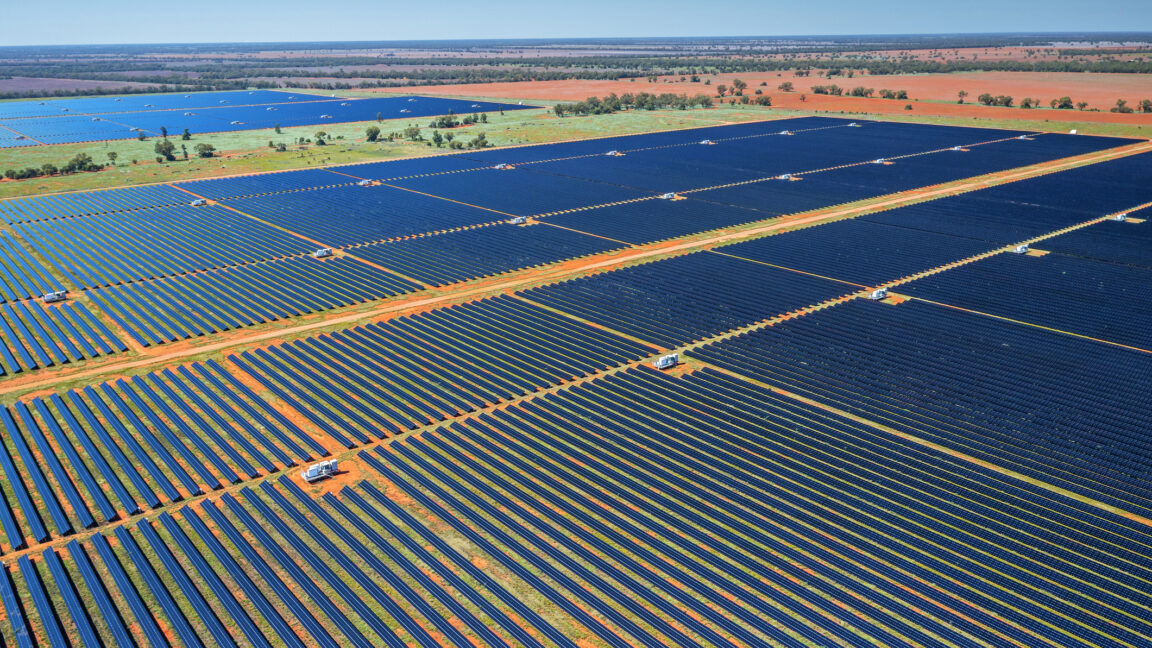
- Solar projects dominated the new power plant completions.
- Battery storage projects also played a significant role in new completions.
- Large wind farms were among the completed projects.
- Natural gas plants were also completed during this period.
- The trend indicates a move towards smaller, distributed solar installations.
- Battery technology is supporting these distributed solar installations.
In the first half of 2026, the United States experienced the completion of 368 utility-scale power plants. The data reveals a clear dominance of solar and battery storage projects among these new additions. This trend suggests a notable shift in the nation's energy infrastructure development, favoring smaller, distributed solar installations that are increasingly supported by battery technology. While other forms of energy generation, such as large wind farms and natural gas plants, also saw completions during this period, the sheer volume of solar and battery projects points to their growing significance. The data indicates a strategic move towards integrating renewable energy sources with advanced storage solutions to enhance grid reliability and capacity. This development is crucial for meeting the growing energy demands while also pursuing decarbonization goals. The focus on distributed resources implies a potential decentralization of power generation, moving away from solely relying on large, centralized power stations.