Key facts
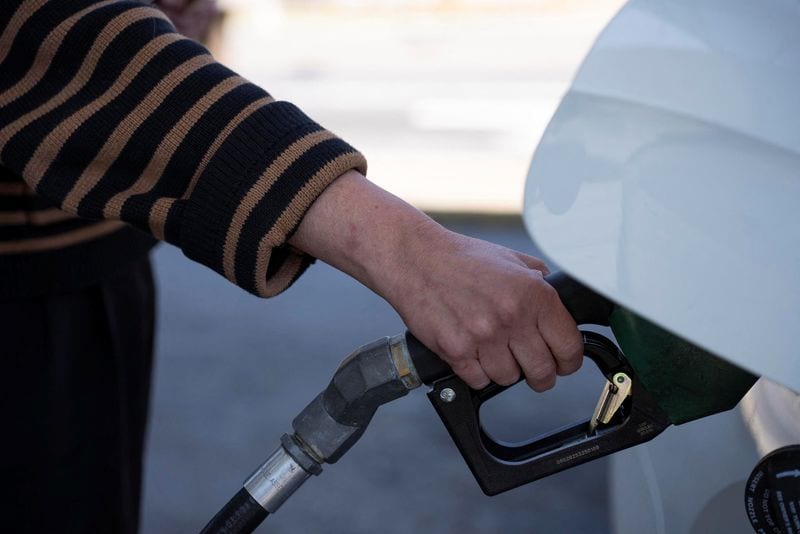
- U.S. gasoline prices have fallen 15% from their May peak.
- U.S. gasoline prices are currently $3.85 per gallon.
- U.S. gasoline prices have dropped for six consecutive weeks.
- A 60-day pause on Iranian oil sanctions has eased supply fears.
- The Strait of Hormuz has reopened following an interim U.S.-Iran deal.
- Approximately 62 million barrels of crude oil are poised to enter Asian markets.
- U.S. airlines expect to save over $40 billion annually on jet fuel.
- German fuel prices have reached multi-month lows.
- U.S. oil production growth is expected to slow next year.
- Iranian crude sellers have lowered prices to China.
Global oil prices are experiencing a significant downturn, with U.S. gasoline prices falling 15% from their May peak to $3.85 per gallon over six consecutive weeks. This decline is largely attributed to a 60-day pause on Iranian oil sanctions, which has eased supply concerns. The interim U.S.-Iran deal has also led to the reopening of the Strait of Hormuz, allowing approximately 62 million barrels of crude oil to enter Asian markets. This influx comes as Asian refiners are already well-supplied, contributing to bearish contango patterns in West Asian crude benchmarks.
U.S. airlines are set to benefit substantially, with projections indicating annual savings exceeding $40 billion on jet fuel costs due to the drop in oil prices. Despite these savings, airlines are not expected to lower airfares, citing previous cost increases and current market constraints. Meanwhile, German fuel prices for heating oil, diesel, and gasoline have reached multi-month lows, influenced by subdued demand, lower Ice gasoil futures, and a temporary energy tax reduction, although Greenhouse Gas (GHG) obligations have increased.
However, market dynamics remain complex. U.S. oil production growth is anticipated to slow next year amid market uncertainty. The Iran conflict, despite the interim deal, has previously led to higher premiums on U.S. oil, shifting the market from oversupply to a shortage, with significant oil volumes trapped in the Gulf. Sellers of Iranian crude oil destined for China have significantly lowered their prices following the interim peace agreement.
Analysts caution that supply risks persist despite the current easing of tensions. The long-term impact of the sanctions pause and the potential for future supply disruptions remain key concerns for market stability.