Key facts
- Scientists have developed controlled fire tornadoes for oil spill cleanup.
- The method burns through offshore oil spills 40% faster than traditional methods.
- Toxic soot emissions are reduced by a similar margin, approximately 40%.
- The technique involves igniting a contained pool of oil and using fans to create a vortex.
- This vortex intensifies the burn by drawing in oxygen.
- The approach aims to be more efficient and less polluting than existing methods.
- It offers an alternative for combating marine pollution events.
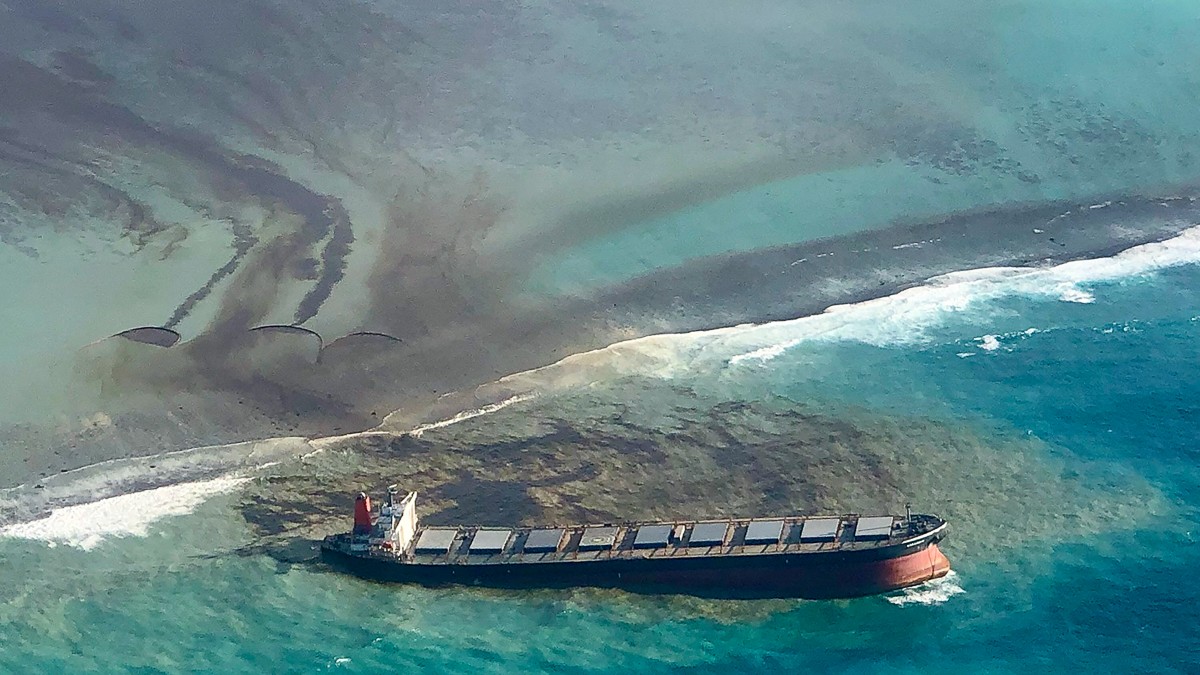
Researchers have successfully engineered controlled fire tornadoes as a novel solution for cleaning up offshore oil spills. This innovative technique allows for the combustion of spilled oil at a rate 40% faster than conventional methods. Furthermore, the process is designed to reduce toxic soot emissions by approximately 40% compared to traditional burning methods. The development aims to provide a more efficient and less polluting alternative for responding to devastating marine pollution events.
The controlled fire tornadoes are created by igniting a contained pool of oil and then using a system of fans to create a vortex. This vortex draws in oxygen, intensifying the burn and accelerating the consumption of the oil. The contained nature of the burn and the controlled airflow are key to minimizing the release of harmful byproducts into the atmosphere.
This advancement addresses the long-standing challenges associated with oil spill cleanup, which often involve slow, inefficient, and environmentally damaging methods. Traditional methods can leave behind significant toxic residues and may not effectively remove all the oil, leading to prolonged ecological damage. The fire tornado approach offers a more rapid and potentially cleaner way to mitigate the immediate impact of such disasters.