Key facts
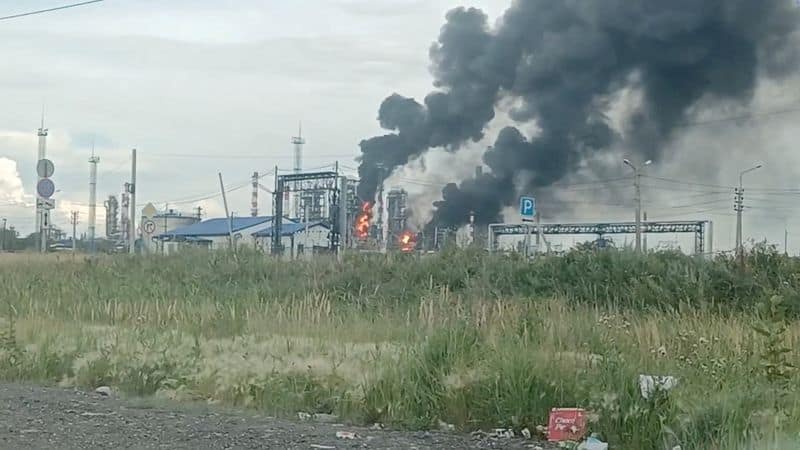
- Russia's largest oil refinery, Gazprom Neft's Omsk facility, has halted processing.
- The halt followed a Ukrainian drone strike.
- The drone attack damaged key processing units at the refinery.
- The incident is expected to worsen existing fuel shortages in Russia.
- Fuel shortages are also expected to be exacerbated in Central Asia.
- The Omsk refinery is operated by Gazprom Neft.
Gazprom Neft's Omsk oil refinery, identified as Russia's largest, has ceased processing operations subsequent to a Ukrainian drone attack. The strike is reported to have inflicted damage upon key processing units within the facility. This halt in production is anticipated to worsen pre-existing fuel shortages that are currently affecting Russia. The impact of these shortages is also expected to extend to Central Asian nations, which rely on Russian fuel supplies. The incident underscores the vulnerability of Russia's energy sector to targeted attacks and the potential for such disruptions to have wider regional economic consequences.
The Omsk refinery is a significant component of Russia's oil processing capacity. Damage to its processing units could necessitate extensive repairs, leading to a prolonged shutdown. The resulting reduction in fuel output is likely to tighten domestic supply, potentially driving up prices and increasing reliance on imports or alternative sources for affected regions. The drone attack on this critical infrastructure signals a strategic escalation in targeting Russia's economic capabilities.
This event occurs against a backdrop of ongoing conflict and existing global energy market volatility. Russia has previously reported drone attacks on other oil facilities, indicating a pattern of Ukrainian efforts to disrupt its energy production and export capabilities. The consequences of this particular attack on the Omsk refinery will likely be closely monitored by both domestic and international energy markets.