Key facts
- Water levels on the Rhine River have hit a record low.
- The current water levels are the lowest recorded since 1880.
- The low water levels are severely restricting shipping on the Rhine.
- The crisis is impacting supply chains across Europe.
- Forecasters predict the crisis could persist for weeks or months.
- The Rhine River is a vital transport artery for commodities like coal, chemicals, and grains.
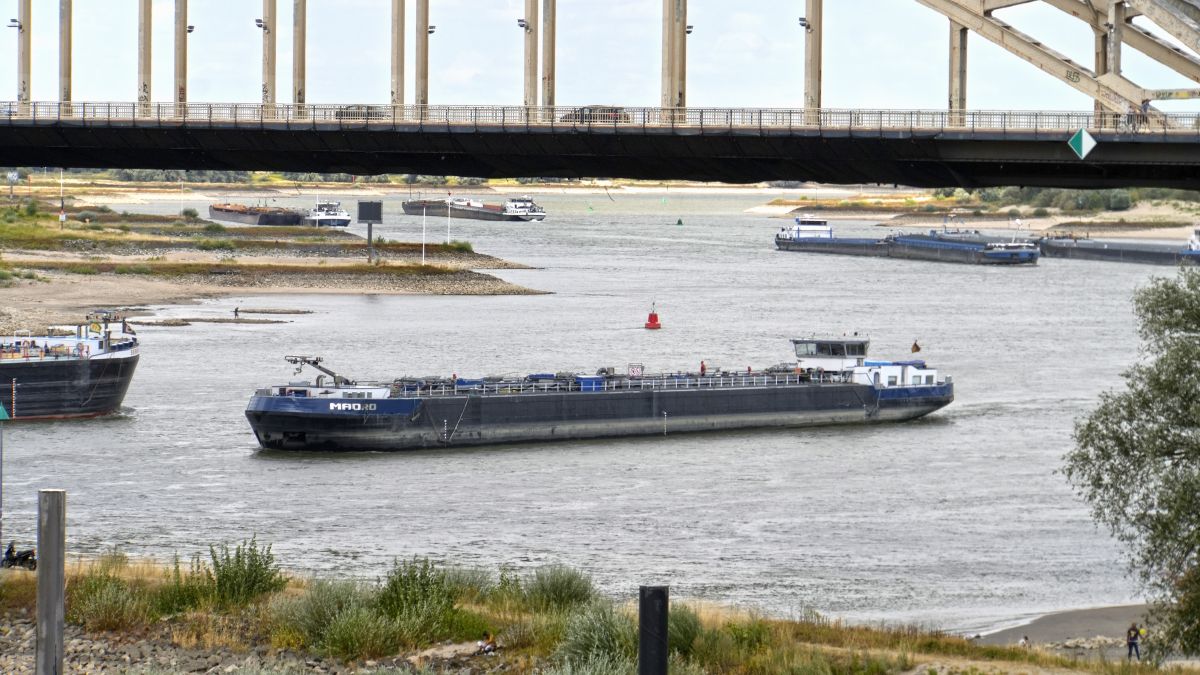
- Barges are forced to carry reduced loads due to the low water levels.
- The situation is attributed to a prolonged drought and high temperatures.
Water levels on the Rhine River have reached an unprecedented low, marking the lowest point since record-keeping began in 1880. This severe drought-induced crisis is significantly impeding shipping operations, with potential implications for supply chains across Europe. Forecasters indicate that the low water levels could persist for weeks or even months, posing a substantial challenge to the region's industrial output and transportation networks.
The Rhine is a vital artery for European commerce, facilitating the transport of commodities such as coal, chemicals, and grains. As water levels drop, barges are forced to carry reduced loads, and in some sections, traffic is becoming impossible. This bottleneck is impacting factories that rely on the river for raw materials and for shipping finished products, potentially leading to production slowdowns and increased costs.
The current situation highlights the vulnerability of critical infrastructure to climate change and extreme weather events. The Rhine's low levels are a direct consequence of a prolonged period of insufficient rainfall and high temperatures, which have depleted water sources throughout the region. The economic ramifications are expected to be widespread, affecting various sectors that depend on efficient river transport.