Key facts
- QatarEnergy shut down its Ras Laffan LNG export plant.
- The Ras Laffan facility is the world's largest LNG export plant.
- The shutdown impacts about a fifth of global LNG supply.
- European gas prices have surged following the shutdown.
- U.S. airlines spent $6.66 billion on fuel in May.
- U.S. airlines' May fuel costs increased by 85% year-over-year.
- The cost of U.S. aviation fuel in May was $4.09 per gallon.
- Shell anticipates a significant increase in its Q2 oil and LNG trading results.
- Shell attributes expected trading windfall to extreme energy market volatility.
- Geopolitical events are driving energy market volatility.
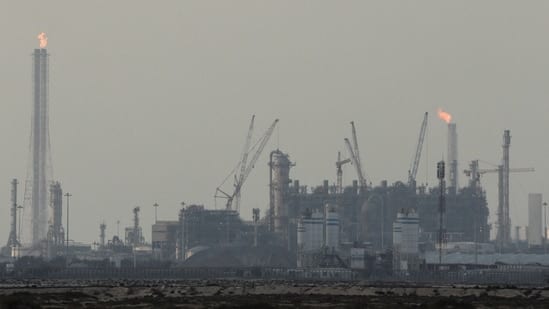
QatarEnergy has halted production at its Ras Laffan facility, the world's largest liquefied natural gas (LNG) export plant, after an Iranian drone attack. This shutdown affects approximately one-fifth of the global LNG supply, leading to a sharp increase in European gas prices and sparking worries about worldwide energy security. The incident marks an unprecedented disruption to a critical energy hub.
In the United States, airlines faced a substantial rise in fuel expenses. In May, U.S. carriers spent $6.66 billion on fuel, an 85% surge compared to the same period last year. This increase is linked to a per-gallon cost of $4.09, with geopolitical tensions identified as a primary driver for the elevated oil prices impacting aviation fuel.
Amidst this energy market turbulence, Shell has projected a significant boost in its second-quarter trading results. The company anticipates a substantial increase in its oil and LNG trading performance, directly attributing this expected windfall to the extreme volatility observed in energy commodity markets. This volatility is largely a consequence of ongoing geopolitical events. Shell's integrated gas division's trading and optimization results are expected to be considerably higher than those recorded in the first quarter.
The confluence of these events highlights the fragility of global energy supply chains and the significant impact of geopolitical instability on energy prices and corporate earnings. The shutdown of Qatar's LNG plant, in particular, underscores the potential for localized conflicts to have far-reaching global economic consequences.