Key facts
- Philippine rice farmers are adopting alternative wetting and drying (AWD) techniques.
- AWD techniques are used to reduce methane emissions from rice cultivation.
- Methane is a major contributor to agricultural greenhouse gases.
- The initiative aims to mitigate climate change.
- The initiative also supports food security.
- The initiative supports farmer livelihoods.
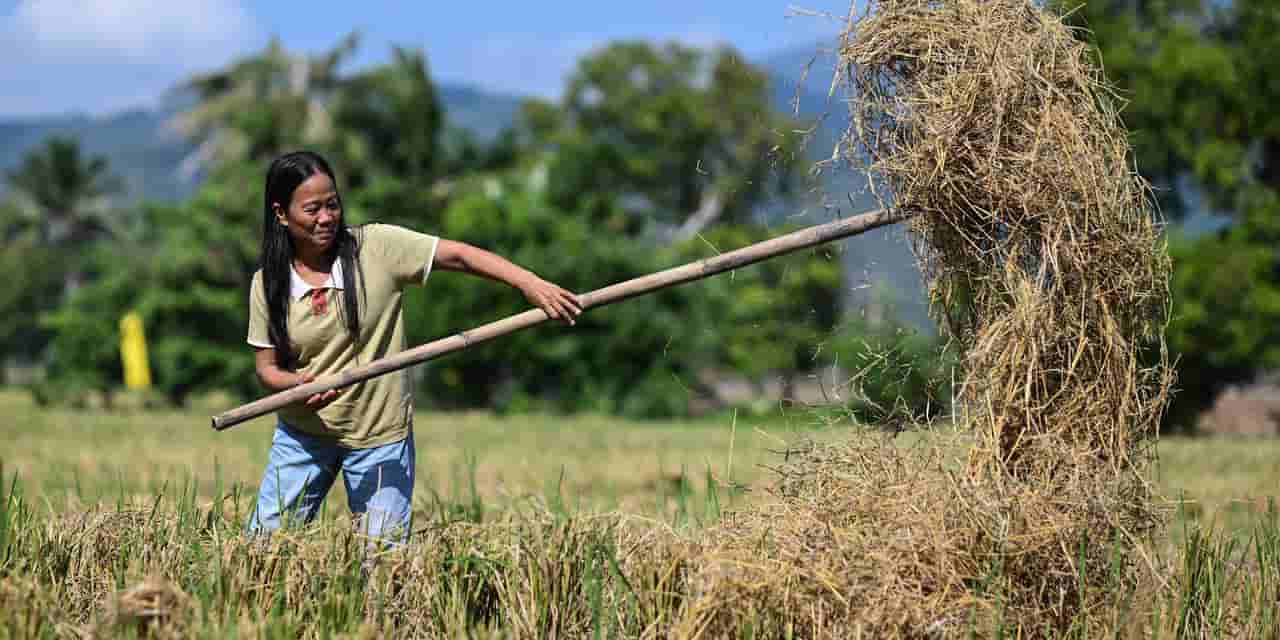
Rice farmers in the Philippines are actively adopting climate-smart agricultural practices, with a particular focus on alternative wetting and drying (AWD) techniques. This method is being implemented to substantially cut down methane emissions, a significant greenhouse gas produced during rice cultivation. Methane is a major contributor to agricultural greenhouse gases, and its reduction is a key goal in mitigating climate change.
The adoption of AWD is a strategic approach designed to address multiple objectives simultaneously. Beyond its primary aim of reducing methane emissions and thus combating climate change, the initiative also seeks to support and enhance food security within the Philippines. Furthermore, it is intended to bolster the livelihoods of the farmers themselves, ensuring that sustainable practices are economically viable.
This shift towards climate-smart agriculture represents a proactive effort by Philippine farmers to adapt to environmental challenges and contribute to global climate mitigation goals. By embracing techniques like AWD, they are working to make rice production more sustainable and resilient, safeguarding both the environment and their communities.