Key facts
- U.S. conducted strikes on Iranian military and surveillance sites.
- Iran claimed retaliation against U.S. bases.
- Oil prices have fluctuated amid peace deal hopes and escalating tensions.
- U.S. military is helping move approximately 7 million barrels per day of oil out of the Persian Gulf.
- Escalating Middle East tensions have led to a significant drop in global oil reserves.
- Analysts warn of a looming price surge due to critically low inventory levels and reduced production.
- Brent crude oil prices fell to a two-month low of $88 per barrel.
- Decreased Chinese demand for Saudi oil and OPEC's lowered demand outlook contributed to price decline.
- Tanker traffic through the Strait of Hormuz has fallen 90% to 95% compared to pre-war levels.
- Persian Gulf oil exporters are rerouting crude via pipelines to bypass the Strait of Hormuz.
- Venezuela's oil output has significantly increased.
- Energy Secretary Doug Burgum blamed state policies for high gas prices.
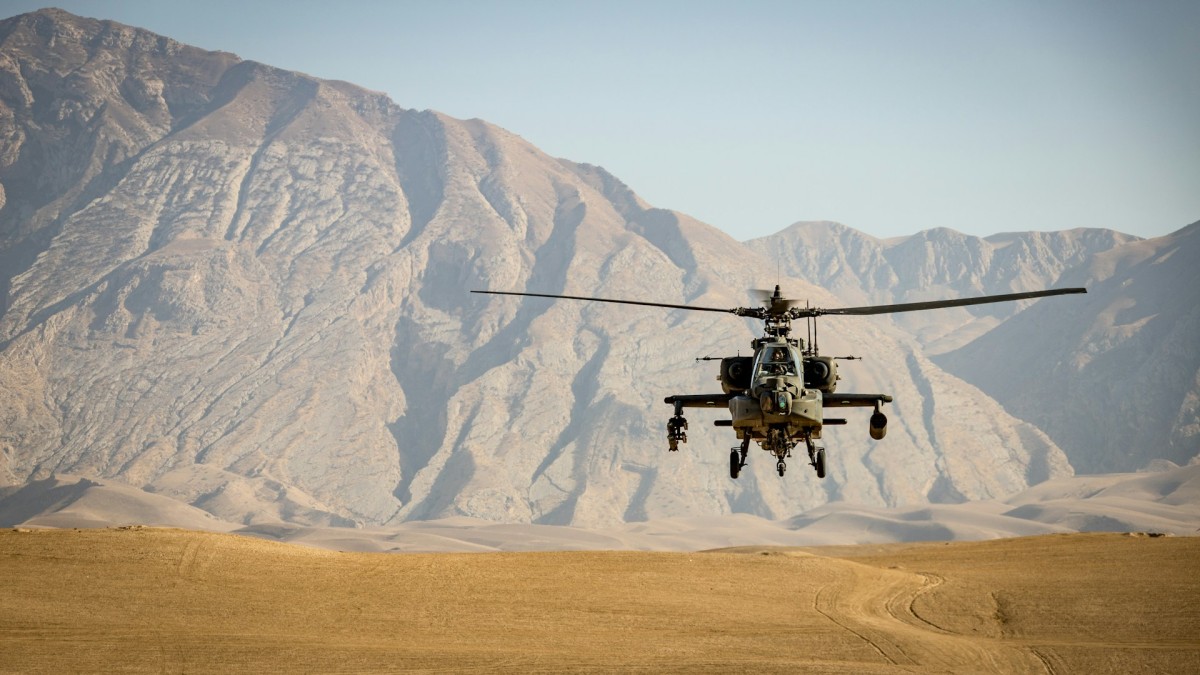
Escalating tensions in the Middle East, including U.S. strikes on Iranian military and surveillance sites following Iran's downing of an American Apache helicopter, are significantly impacting global oil prices and trade routes. These geopolitical events have led to a substantial drop in global oil reserves, with warnings of a looming price surge due to critically low inventory levels and reduced production. Analysts and energy executives highlight the potential for consumers to face higher prices or demand destruction.
Amidst this turmoil, Brent crude oil prices have fallen to a two-month low of $88 per barrel, influenced by uncertainty surrounding a potential U.S.-Iran deal, decreased Chinese demand for Saudi oil, and OPEC's lowered demand outlook. Tanker traffic through the Strait of Hormuz has drastically decreased, falling by 90% to 95% compared to pre-war levels, with remaining oil cargoes moving under increasingly opaque conditions that complicate tracking global energy flows. Despite these disruptions, the U.S. military is facilitating approximately 7 million barrels per day of oil exports from the Persian Gulf, a figure higher than market expectations. Persian Gulf oil exporters are rerouting crude via pipelines to bypass the Strait of Hormuz, a shift driven by the ongoing conflict, and Venezuela's oil output has significantly increased.
Analysts predict a lasting change in global energy infrastructure and trade routes as a result of these shifts. Separately, Energy Secretary Doug Burgum has attributed high gas prices to state-level policies and taxes, particularly in California, rather than geopolitical events like the Strait of Hormuz turmoil, describing California's energy policies as "self-inflicted" and responsible for its elevated fuel costs.