Key facts
- Oil prices are near a one-week high.
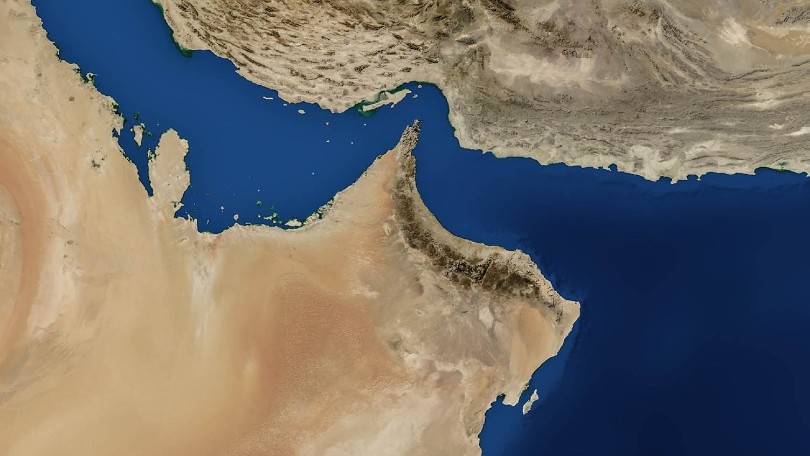
- Iran and Oman are finalizing a draft agreement to potentially reopen the Strait of Hormuz.
- The draft agreement awaits approval from Iran's supreme leader.
- Transit fees remain a key obstacle for the Hormuz deal.
- Prospects for a US-Iran deal are diminishing.
- A global diesel shortage is intensifying.
- Europe faces significant challenges with refinery closures and competition for U.S. diesel barrels.
- Global fuel prices show a two-speed recovery, with diesel elevated and gasoline stabilized.
- The UAE's ADNOC has issued its eighth spot tender since June.
- OPEC's total oil production increased by 1.17 million barrels per day in July.
- OPEC output remains below quota targets.
- A dozen ships have been observed switching oil cargoes outside the Strait of Hormuz.
Oil prices are hovering near a one-week high, driven by developments in negotiations between Iran and Oman aimed at potentially reopening the Strait of Hormuz, a vital route for global oil exports. The draft agreement is awaiting approval from Iran's supreme leader, with transit fees identified as a significant obstacle. Concurrently, prospects for a broader US-Iran deal appear to be diminishing, which could keep the Strait of Hormuz closed and further impact global supply. Experts are warning of dangerously low oil reserves and the potential for significant price spikes.
A global diesel shortage is intensifying as demand rises and supply is constrained by geopolitical tensions and refinery disruptions. Europe is particularly challenged by refinery closures and increased competition for U.S. diesel barrels, contributing to multi-decade low inventories. The International Energy Agency's data indicate a two-speed recovery in global fuel prices, with diesel remaining elevated due to the conflict involving Iran and Russia, while gasoline prices have stabilized. This uneven impact on automotive fuel costs highlights the ongoing geopolitical pressures.
In response to market conditions, the UAE's Abu Dhabi National Oil Company (ADNOC) has issued its eighth spot tender since June, signaling an increase in crude export volumes. This move follows the UAE's departure from OPEC and its efforts to navigate export routes. Separately, OPEC's total oil production saw an increase of 1.17 million barrels per day in July, marking the second consecutive monthly rise. However, this output still falls short of established quota targets, partly due to ongoing security concerns in the Middle East affecting supply.
Activity outside the Strait of Hormuz includes approximately a dozen ships observed switching oil cargoes, a measure to circumvent Iranian influence. This occurs even as the U.S. reports increased oil transits through the waterway. Traders are also monitoring global inflation and awaiting U.S. CPI data and corporate news, which are influencing global equities.