All NewsEducationTV
Equities & FundsCrypto & Digital AssetsAI & TechnologyBusiness & CorporateUS Politics & PolicyGeopolitics & Global RiskMacro, Rates & FXCommodities & EnergyEuropean Politics & MarketsAsia-PacificReal Estate & Property
Story archiveAll categories
← All Stories

Strait of Hormuz Shipping Disruptions Persist Despite Deal Hopes

Created at 11 Aug · 4:16 AM1 source↑ Market-relevant
IN SHORT

Shipping transits through the Strait of Hormuz remain largely disrupted, even as Iran and Oman reportedly near a deal. While Brent crude futures eased, global supply chain stress is near pandemic highs and normalization could take months.

✉Newsletter

PiQ Daily

Pick your topics. Get only what matters, on your cadence.

Key Numbers

$85Brent crude futures price per barrel
0.9 sdGlobal Supply Chain Stress Index above pre-conflict level (median)
1.35 sdGlobal Supply Chain Stress Index above February levels (average)
0.4 sdMedian index reading off June peak
0.3 sdAverage index reading off June peak
~$20/bDrop in Brent crude since July 23 peak

Who's Involved

Pierre Lafourcade
Senior international economist at UBS
UBS
Published Global Supply Chain Stress Index
Iran
Reportedly nearing deal to reopen Strait of Hormuz
Oman
Reportedly nearing deal to reopen Strait of Hormuz
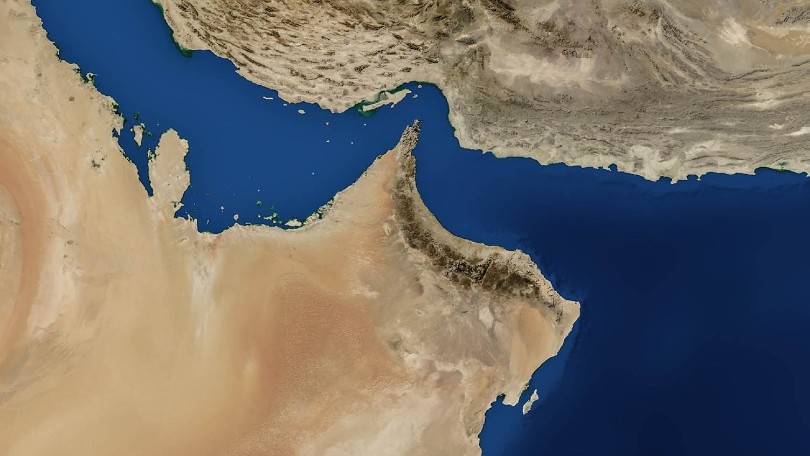
Strait of Hormuz Shipping Disruptions Persist Despite Deal Hopes

↳ Why This Matters

Disruptions in the Strait of Hormuz, a critical global energy chokepoint, have significant ripple effects on global supply chains, leading to higher energy and freight costs, depleted inventories, longer delivery times, and renewed inflationary pressures.

Key facts

  • Shipping transits through the Strait of Hormuz remained largely disrupted.
  • Iran and Oman are reportedly nearing a deal to reopen the maritime chokepoint.
  • Brent crude futures traded near $85 a barrel.
  • Global supply-chain stress is near its highest level since the pandemic.
  • UBS's Global Supply Chain Stress Index showed a modest easing in July but remained significantly above pre-conflict levels.

Shipping traffic through the Strait of Hormuz remained significantly disrupted on Monday morning, despite reports that Iran and Oman are nearing an agreement to resolve the maritime chokepoint. Brent crude futures hovered near $85 a barrel as markets anticipated a potential resolution.

However, global supply chain stress is still near its highest point since the COVID-19 pandemic, and a full normalization could take months even if shipping traffic resumes. UBS senior international economist Pierre Lafourcade noted that while the bank's Global Supply Chain Stress Index showed a modest easing in July from its June peak, disruptions stemming from the Hormuz bottleneck continue to strain global shipping networks.

The median reading of UBS's 23-component index fell 0.4 standard deviations from June but remained 0.9 standard deviations above its pre-Iran conflict level. The average reading declined 0.3 standard deviations from June, while still being 1.35 standard deviations above February's pre-conflict levels. Markets have reacted optimistically, reflected in a roughly $20 per barrel drop in Brent crude since its July 23 peak, but stress in supply chains is expected to persist long after any accord is implemented.

The indicator, constructed as the cross-sectional average of z-scored series, shows increasing divergence across components. The measure most directly reflecting the Hormuz bottleneck, seaborne oil and gas flows in the Asia region, has retraced about half of the drop experienced since the Strait closure. Other components reflect the shock more indirectly. While delivery times improved in Asia excluding China, they worsened in the US. Lower air-freight costs provided the greatest relief in July, whereas shipping costs increased again across major reporters.

Frequently asked questions

The Strait of Hormuz is a vital maritime chokepoint connecting the Persian Gulf to the open ocean, through which a significant portion of the world's oil supply is transported.

It is a proprietary index developed by UBS that measures supply chain pressures using 23 component series, providing insights into global logistics and trade disruptions.

Shipping costs have ratcheted up again across major reporters, despite some relief from lower air-freight costs in July.

What Happens Next

01Monitor shipping traffic through the Strait of Hormuz for signs of normalization.
02Track the UBS Global Supply Chain Stress Index for further indications of easing or persistent pressure.
03Observe Brent crude futures for continued price movements based on supply chain developments.

Get the newsletter.

Pick the topics you actually care about. We'll email when there's news worth your time, on the cadence you choose. Cancel any time from your account.

Cadence
CME Headlines
  • Silver futures reached a seven-week high on tight supply.
    10 Aug · 10:06 PM
  • Silver futures reached a seven-week high on tight supply.
    10 Aug · 10:06 PM
  • WTI Crude Oil futures rallied as Gulf shipping attacks sustained supply concerns.
    10 Aug · 9:29 PM

How It Developed

Shipping transits through the Strait of Hormuz remained largely disrupted.
Iran and Oman reportedly moved closer to a deal.
Brent crude futures traded near $85 a barrel.
Global supply-chain stress remains near its highest level since the pandemic.
UBS Global Supply Chain Stress Index showed modest easing in July but remained elevated.
Seaborne oil and gas flows in the Asia region have retraced about half of the drop since the Strait closure.
Shipping costs ratcheted up again across all major reporters.

Sources

T1
The Hormuz Shock Is Far From OverOilPrice.com

Related Stories

Money Managers Cut Bullish Oil Bets for Second Week
10 Aug · 3:11 PM
Japan mulls cost-sharing for crude diversification
10 Aug · 8:31 AM
Hormuz Crisis Rewrites Global LPG Trade, India's Refiner Losses Narrow
10 Aug · 3:16 PM
UAE accelerates gas export pipeline to bypass Strait of Hormuz
10 Aug · 1:16 PM
Global Diesel Crunch Worsens Ahead of Peak Winter Demand
11 Aug · 2:46 AM