Key facts
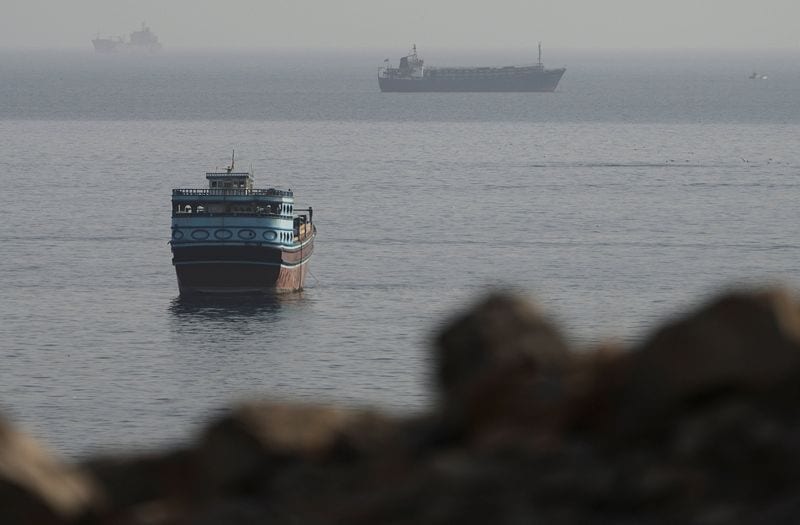
- Oil prices rose nearly 2% amid uncertainty over the Strait of Hormuz.
- U.S. crude oil reserves have fallen to their lowest level since 1983.
- A fire broke out in a diesel tank at Libya's Zawiya oil depot.
- The Libya incident occurred two days after a drone crash at the same refinery.
- An oil slick covering approximately 390 square kilometers is spreading off Oman.
- The Oman oil slick originated from the sanctioned tanker Caroline Bezengi carrying Russian crude.
- Money managers reduced net long positions in WTI and Brent crude futures for a second consecutive week.
- Iran is demanding U.S. concessions to reopen the Strait of Hormuz.
- Japan is considering a cost-sharing scheme for crude imports bypassing the Strait of Hormuz.
- Indian refiners' losses on household LPG sales narrowed to $1.97 per cylinder in August from $5.25 in July.
Oil prices have climbed for a third consecutive session, driven by fading optimism for a U.S.-Iran peace deal and ongoing uncertainty regarding the Strait of Hormuz. Iran has indicated it seeks concessions before agreeing to reopen the vital shipping lane, tempering hopes of its reopening. This geopolitical tension coincides with the U.S. Strategic Petroleum Reserve falling to its lowest level since 1983, adding to market concerns. Money managers have also reduced their net long positions in WTI and Brent crude futures for the second week in a row, despite these persistent supply risks.
Further contributing to market volatility are several incidents. A fire erupted in a diesel tank at Libya's Zawiya oil depot on Monday, producing heavy smoke. The cause of this incident, which occurred two days after a drone crash at the same refinery, is under investigation. Separately, an oil slick covering approximately 390 square kilometers is spreading off the coast of Oman. This slick originated from the sanctioned tanker Caroline Bezengi, which was carrying Russian crude and sustained damage, leading to the leak near the Hallaniyat Islands.
In response to Middle East disruptions and the need for energy security, Japan is considering a cost-sharing scheme among its refiners and trading houses. This initiative aims to support diversified crude oil imports that bypass the Strait of Hormuz. Meanwhile, Indian refiners have reported a significant narrowing of their losses on household LPG sales in August, decreasing to $1.97 per cylinder from $5.25 in July. This improvement occurs as India navigates supply disruptions from the Middle East and seeks alternative import routes.
Looking ahead, the situation in the Strait of Hormuz remains a key factor influencing oil prices, with Iran's demands for concessions being a critical point of negotiation. The ongoing investigation into the Libya oil depot fire and the containment efforts for the Oman oil spill will also be closely watched. Japan's proposed cost-sharing scheme for diversified crude imports is expected to be further deliberated by refiners and trading houses.