Key facts
- An oil slick covering approximately 390 square kilometers is present off the coast of Oman.
An oil slick covering approximately 390 square kilometers off the coast of Oman is spreading, originating from the sanctioned tanker Caroline Bezengi carrying Russian crude. The vessel sustained damage, leading to the leak near the Hallaniyat Islands.
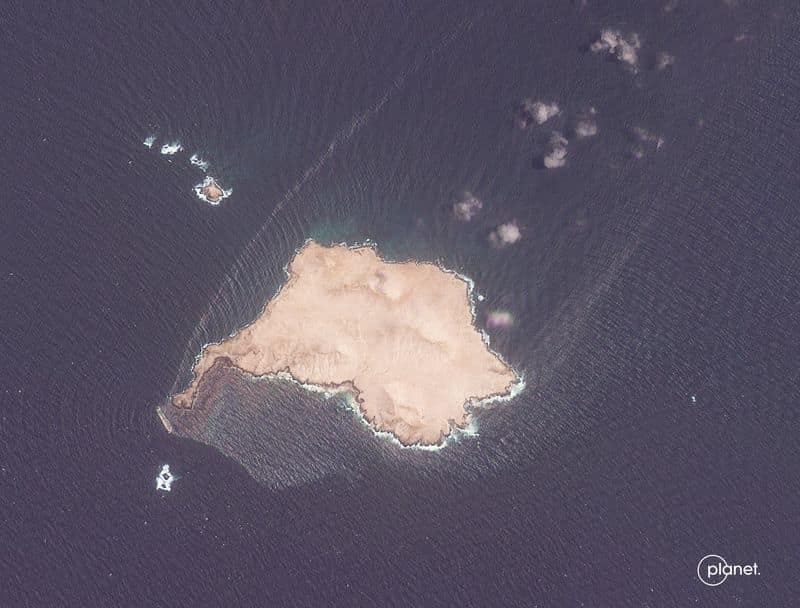
The oil spill poses a significant environmental risk to Oman's waters and coastline, impacting marine ecosystems and potentially affecting local industries. The incident also highlights the risks associated with Russia's 'shadow fleet' of tankers used to circumvent sanctions, raising concerns about maritime safety and environmental protection in international waters.
An oil slick covering approximately 390 square kilometers (150 square miles) has spread off the coast of Oman, originating from the tanker Caroline Bezengi, which is under sanctions for carrying Russian crude. The Omani government disclosed the extent of the environmental impact on Monday, stating the slick is near the Hallaniyat Islands in the Dhofar governorate.
The vessel's crew first reported difficulties on June 8 off the southern Yemeni port of Mukalla, with initial assessments suggesting an onboard blast. Oman's Environment Authority confirmed the slick's size based on satellite imagery, noting it extends northeast of the islands and comes within an estimated seven kilometers of the mainland shore.
Analysis of satellite imagery and shipping data indicated the spill from the 274-meter (900-foot) tanker was still spreading at the end of last month. The cause of the damage to the vessel remains unclear. Shipping data showed the ship was loaded with Russian crude, and it last transmitted a signal on June 11 off the coast of Yemen. Russia has been observed using older tankers, often referred to as its 'shadow fleet,' to circumvent Western sanctions on its oil exports. The European Union and Britain have sanctioned the Caroline Bezengi for its role in transporting Russian fuels.