Key facts
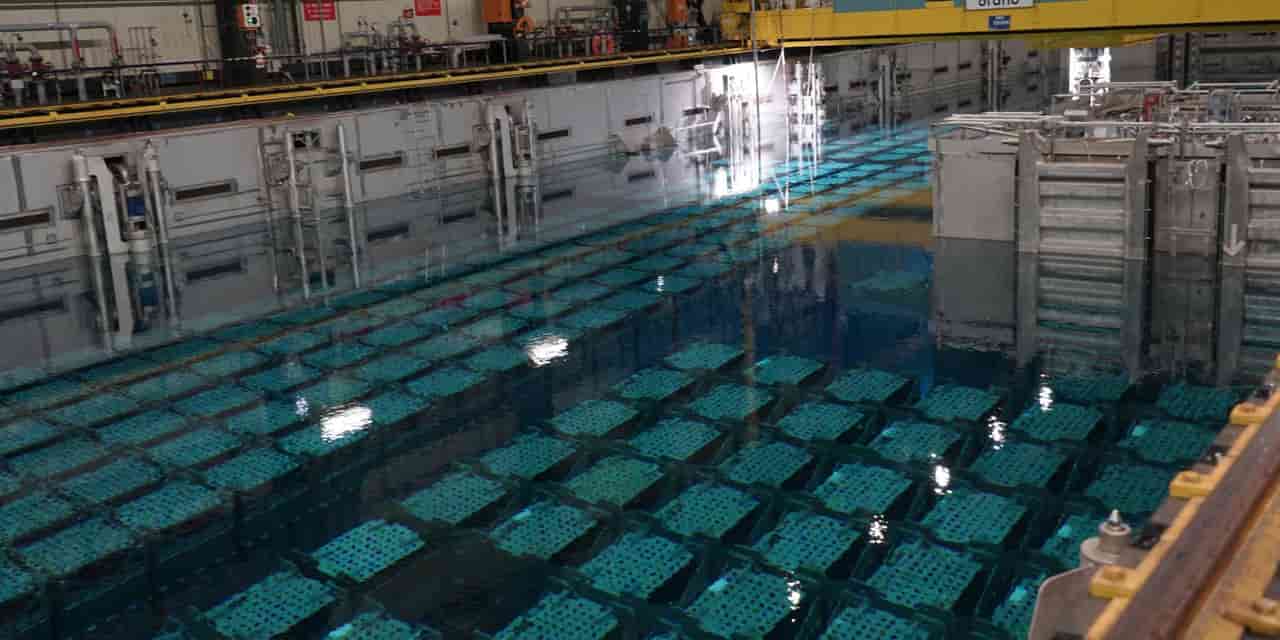
- Japan faces a shortage of space for spent nuclear fuel storage.
- The country aims to restart and build new nuclear power plants.
- A planned domestic reprocessing plant is significantly behind schedule.
- Some reactors are nearing full capacity in their cooling pools.
- Former Prime Minister Yasuo Fukuda advocates for nuclear power.
- Fukuda suggests nuclear power can reduce Japan's dependence on Middle Eastern oil.
- Fukuda worked in the oil industry during the 1973 oil shock.
Japan's drive to revitalize its nuclear power industry is encountering a substantial obstacle in the form of limited capacity for storing spent nuclear fuel. This challenge threatens to impede the nation's strategy of restarting idled reactors and developing new nuclear energy facilities. A key component of Japan's nuclear fuel cycle, a domestic reprocessing plant, is experiencing significant delays, further exacerbating the storage issue. Consequently, some nuclear reactors are approaching the maximum capacity of their spent fuel cooling pools, a situation that raises serious questions about the sustainability of Japan's nuclear renaissance.
Amidst these domestic challenges, former Japanese Prime Minister Yasuo Fukuda has voiced support for an expanded role for nuclear power in Japan's energy mix. Fukuda, who has prior experience in the oil industry and lived through the 1973 oil shock, argues that nuclear energy offers a viable pathway for Japan to reduce its heavy reliance on oil imports from the Middle East. His perspective underscores the geopolitical and economic motivations behind Japan's consideration of nuclear power as a strategic energy source.
The current situation highlights a critical juncture for Japan's energy policy. The nation is grappling with the dual objectives of enhancing energy security and managing the complex waste disposal challenges inherent in nuclear power generation. The delays in the reprocessing plant and the approaching capacity limits in cooling pools suggest that substantial investment and strategic planning are required to overcome these hurdles and realize the full potential of Japan's nuclear ambitions.