Key facts
- Japan's nuclear renaissance is challenged by spent nuclear fuel storage.
- A domestic reprocessing plant is almost 30 years behind schedule.
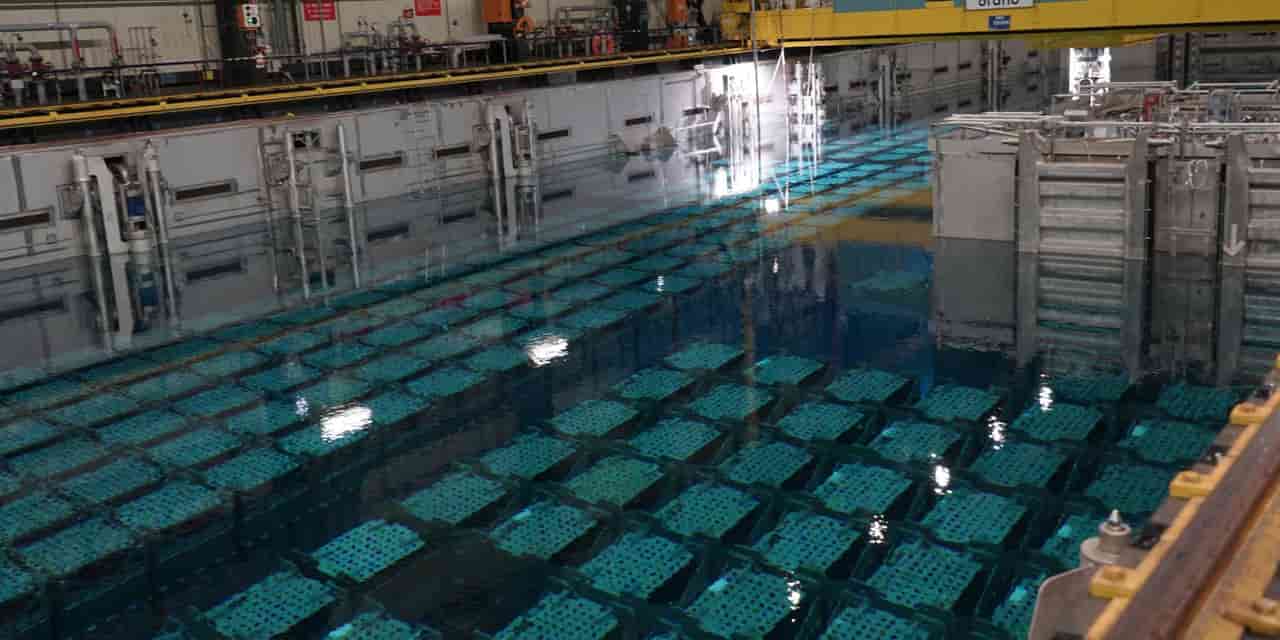
- Some reactors are nearing 90% capacity in spent fuel cooling pools.
- Japan is considering a remote Pacific island for permanent waste disposal.
- Spent fuel is being sent to France for reprocessing by at least one power company.
Japan's ambition to revive its nuclear power sector is encountering significant hurdles related to the management of spent nuclear fuel. As the country restarts existing reactors and plans for new ones, a critical shortage of storage space for radioactive waste is emerging as a major bottleneck.
One of Japan's key initiatives, the Rokkasho Reprocessing Plant in Aomori Prefecture, designed to recycle spent fuel and recover uranium and plutonium, is facing severe delays, with its construction now nearly 30 years behind its original schedule. This situation has led at least one power company to seek reprocessing services in France, sending spent fuel to La Hague.
The restart of the Kashiwazaki-Kariwa Nuclear Power Station, the world's largest, highlights the urgency of the spent fuel issue. The No. 6 reactor at this plant, operated by TEPCO, has resumed operations, but its cooling pool is already 88% full. Projections indicate that three nuclear plants could reach full capacity in their cooling pools within five years, according to the Federation of Electric Power Companies of Japan.
In total, about 1,450 tons of spent fuel had been generated by reactivated Japanese nuclear power plants as of the end of May. Storage rates at several reactors are already between 80% and 90% of capacity. To address the long-term disposal challenge, the Japanese government is considering Minamitorishima, a remote Pacific island, as a potential site for permanent storage. However, this proposal has drawn skepticism and criticism due to past issues with radioactive waste management.
The nuclear fuel cycle is a core part of Japan's energy policy, aiming for efficient resource utilization and waste reduction by reprocessing spent fuel. However, the current reality of delayed infrastructure and limited storage capacity poses a significant threat to the country's nuclear renaissance.